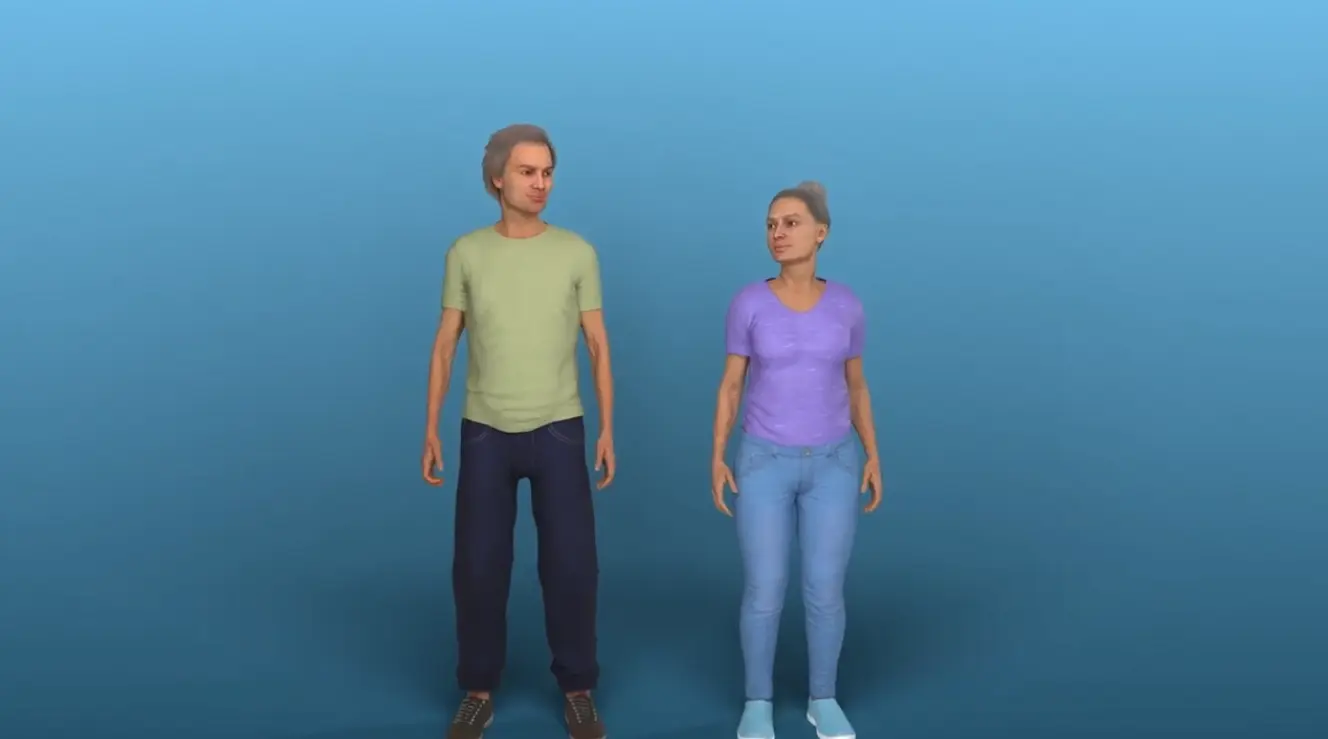
The Role of α-Synuclein in Neurodegenerative Research

How can a simple blood sample track the progression of Parkinson’s disease?

Parkinson’s disease is a neurological condition that affects the brain and other parts of the nervous system. This animation explores the complex neurodegenerative processes occurring within the brain’s substantia nigra and the groundbreaking role of alpha-synuclein fragments as biomarkers.

Watch this video to learn about the fragmentation of alpha-synuclein, the breakdown of the blood-brain barrier, and how blood-based biomarkers can help identify patients at risk of progression and track treatment response.

Get in touch

Are you interested in exploring collaboration possibilities?
Enter your information in the form and a representative will contact you shortly.
    Why measure the right epitope of the right protein

    A targeted approach in contrast to broad total protein arrays

    When we talk about protein quantification, it’s important to talk about the role collagens play in major chronic diseases. As extracellular matrix research is gaining more and more traction, it’s prime time to highlight how they can guide precision medicine development.

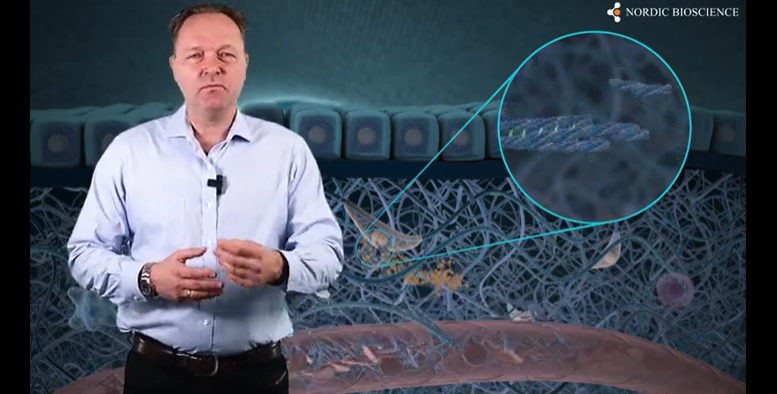
    Dr. Morten Karsdal, CEO of Nordic Bioscience, discusses the importance of finding the right epitope of the right protein in clinical trials.

    If you wish to find out more about the extracellular matrix or our technology, visit our YouTube channel!

    Get in touch

    Are you interested in exploring collaboration possibilities?
Enter your information in the form and a representative will contact you shortly.
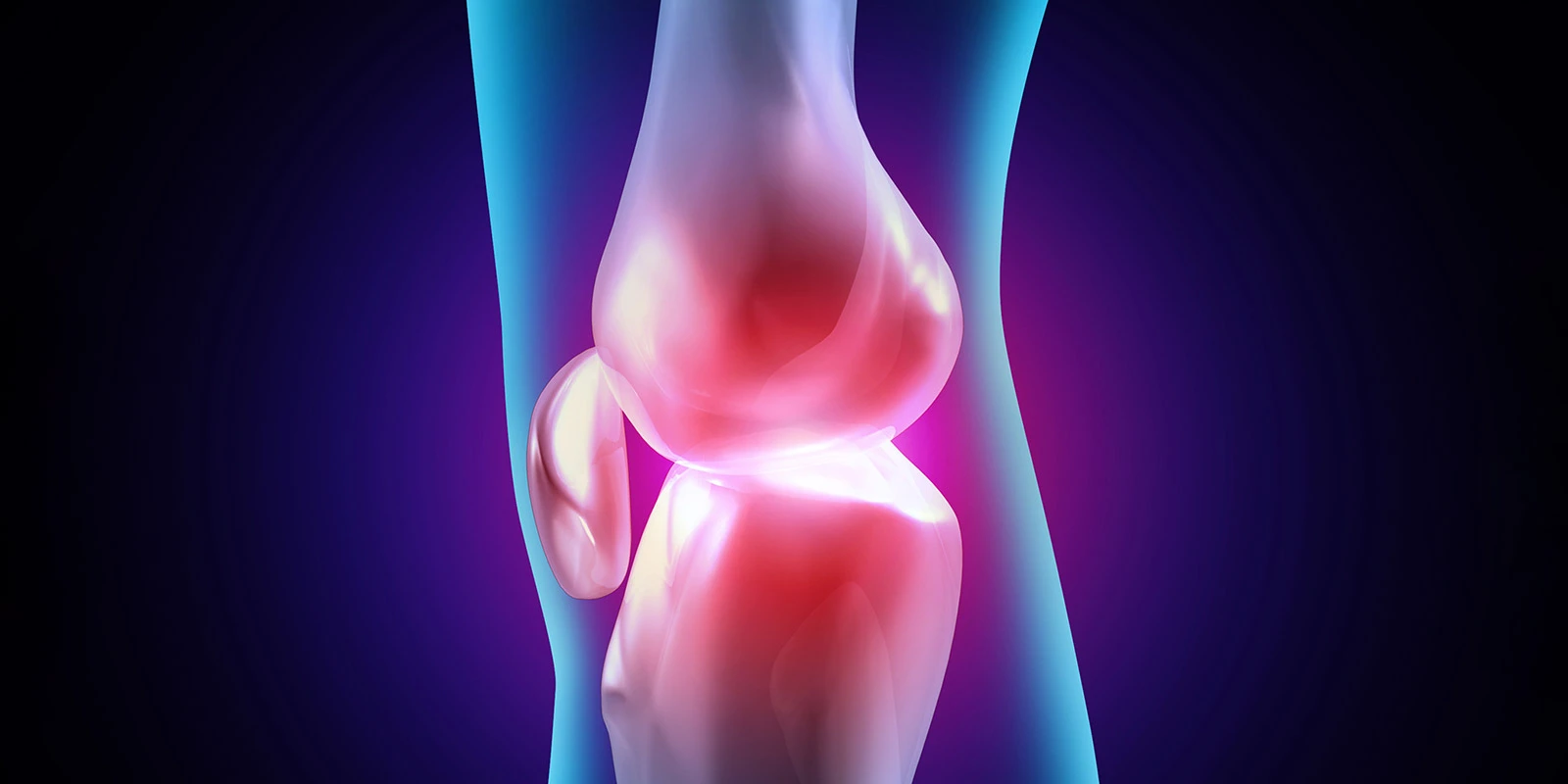
      Osteoarthritis Biomarkers – Serum Quantification of Aggrecanase-Generated ARGS Fragments

      Serum Quantification of Aggrecanase-Generated ARGS Fragments

      Osteoarthritis is a serious disease. It affects more than 300 million people across the world. It’s a leading cause of disability among older adults. Therefore, it has a considerable impact on an individual’s quality of life and a huge economic burden on society.

      We redeveloped a highly sensitive and robust sandwich immunoassay, huARGS, for detecting ARGS fragments generated by up-regulated proteases, ADAMTS-4/-5, during osteoarthritis.

      Watch more videos about how our biomarker can increase clinical trial success rates on our YouTube channel!

      Get in touch

      Are you interested in exploring collaboration possibilities?
Enter your information in the form and a representative will contact you shortly.
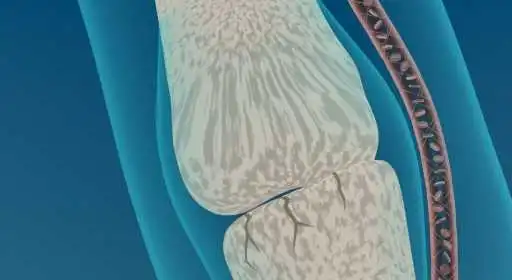
        Joint Tissue Remodeling: Joint and Connective Tissue Disorder Profiling

        Joint and Connective Tissue Disorder Profiling

        According to conservative estimates, nearly 26% of all adults in the United States are expected to have at least one form of arthritis by 2040. The tissues of the joints are composed primarily of collagens.

        Collagens are remodeled as part of the normal homeostasis of the joint – that is, collagens are broken down and rebuilt as part of the repair and maintenance mechanisms of the tissue.

        When this balance is disrupted, there is a net breakdown of joint tissue. Learn more how Protein Fingerprint biomarkers can quantify this tissue turnover directly in a serum sample.

        Get in touch

        Are you interested in exploring collaboration possibilities?
Enter your information in the form and a representative will contact you shortly.
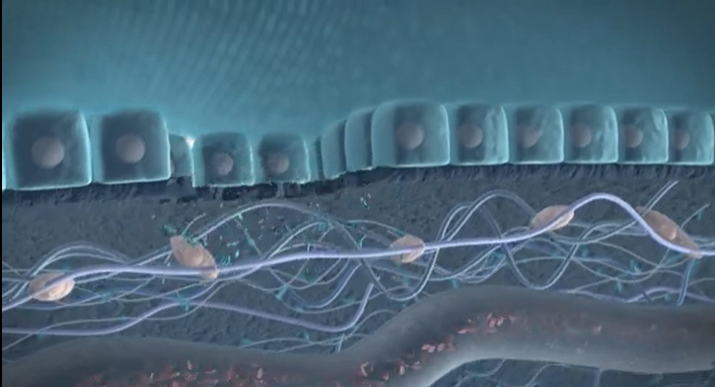
          Biomarkers in Drug Development

          The Protein Fingerprint Technology

          Through our Protein Fingerprint technology, we identify fragments of the Extracellular Matrix (ECM) that are released from affected tissues and develop blood-based biomarker assays to quantify disease activity with the aim of precision medicine.

          By quantifying tissue remodeling, our biomarkers provide true prognostic and predictive value, as we can select the patients who are most likely to respond to a given treatment and thereby function as surrogate biomarkers for clinical trials. Our biomarker assays not only enable faster drug development but also improve disease outcomes for chronically ill patients by predicting treatment response.

          Watch more videos about Nordic Bioscience’s biomarkers and the ECM on our YouTube channel!

          Get in touch

          Are you interested in exploring collaboration possibilities?
Enter your information in the form and a representative will contact you shortly.
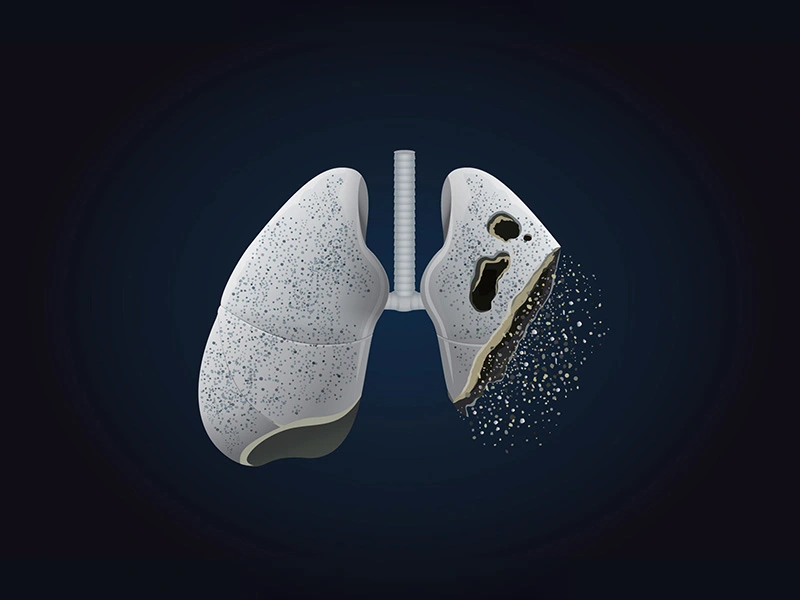
            Use of Translational Biomarkers in Pulmonary Fibrosis

            PRO-C6 as a pharmacodynamic biomarker

            During the development of pulmonary fibrosis, there are changes in the extracellular matrix. We see the destruction of the basement membrane and the formation of various collagens in the interstitial matrix.

            We can monitor these changes in the ECM in a blood sample using Protein Fingerprint biomarker technology.

            Watch more videos about the extracellular matrix and the Protein Fingerprint on our YouTube channel!

            Get in touch

            Are you interested in exploring collaboration possibilities?
Enter your information in the form and a representative will contact you shortly.
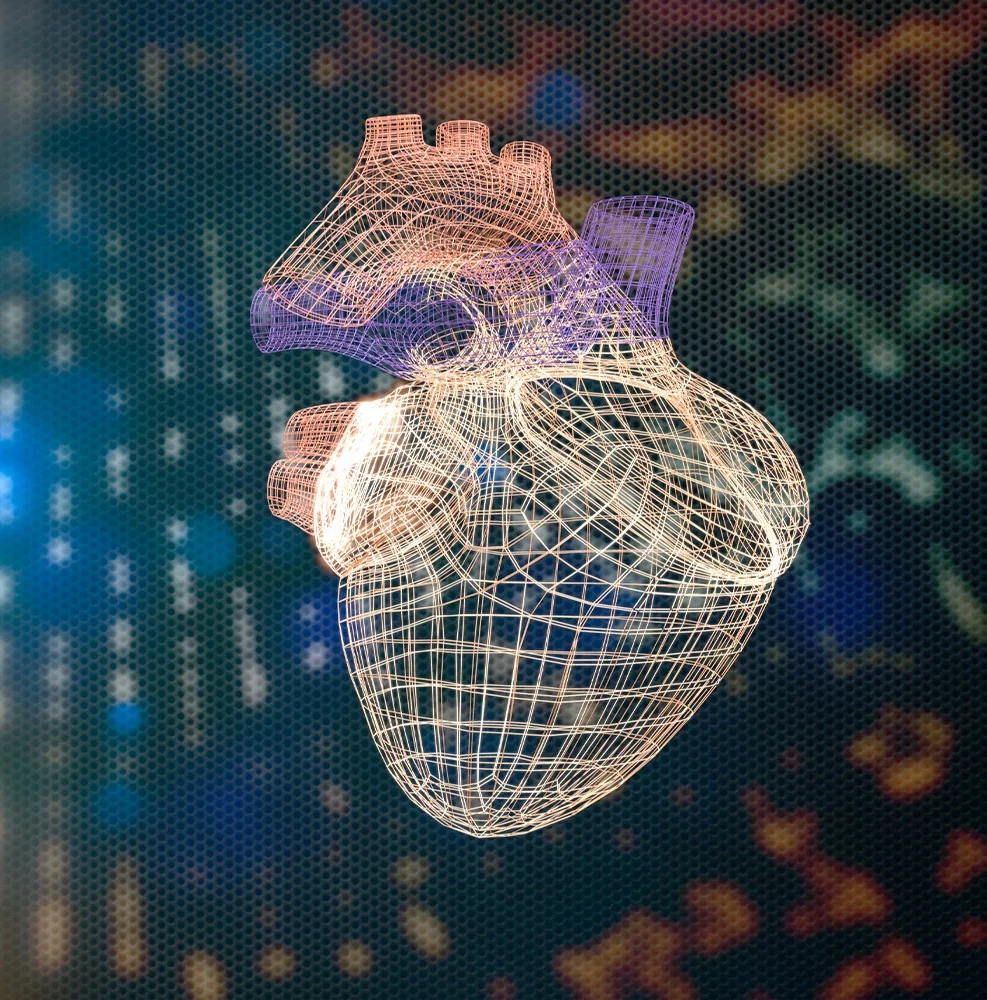
              Endotrophin as a Novel Biomarker in HFpEF – Identification of a High-risk Endotype

              Identification of a High-risk Endotype

              Heart failure with preserved ejection fraction (HFpEF) is a highly complex and heterogeneous syndrome that causes substantial morbidity and mortality, positioning this disease as one of the biggest unmet medical needs today.

              The past years have seen great scientific and clinical efforts on elucidating the driving mechanisms, but much remains unknown and successful therapies at still largely absent.

              One of the biggest challenges to treating HFpEF is the heterogeneous nature of the syndrome. Risk assessment by conventional biomarkers has not led to any significant therapies, but selection of a more homogenous patient population might be the way forward.

              Fibrosis is a hallmark feature of HFpEF pathology, acting as a driver of outcome. Understanding the intricate pathways that lead to fibrogenesis, and how they ultimately impact pathogenesis, is important for understanding how to treat HFpEF. We have developed a biomarker of fibroblast activity, PRO-C6, which independently and with high precision can identify a subset of HFpEF patients with a very elevated risk of adverse outcome.

              Watch more videos about Nordic Bioscience’s biomarkers and technology on our YouTube channel!

              Get in touch

              Are you interested in exploring collaboration possibilities?
Enter your information in the form and a representative will contact you shortly.
                Tumor Fibrosis Biomarkers

                Guiding Immune Checkpoint Inhibitor Therapy

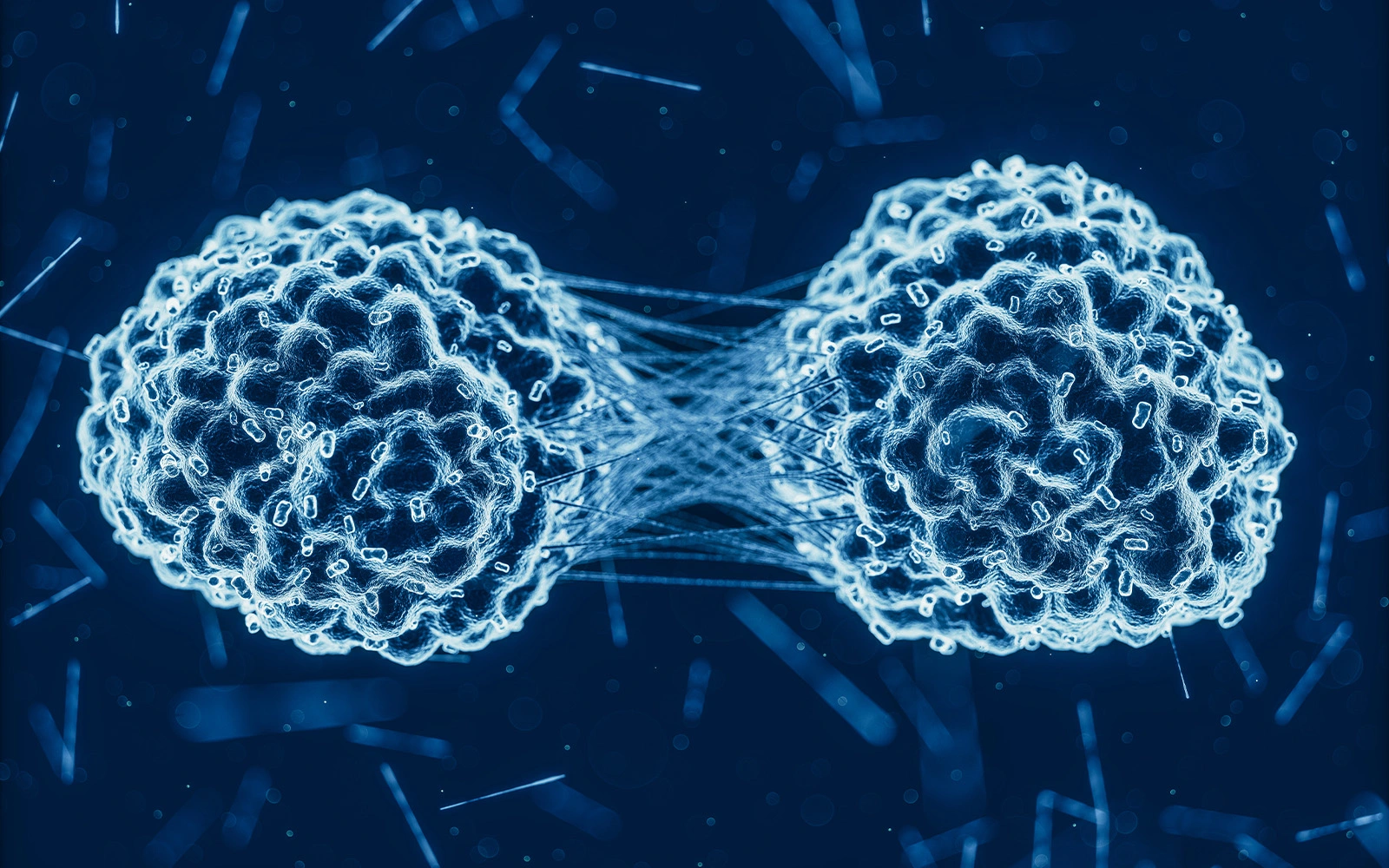
                Emerging evidence indicates that one central common denominator of resistance to immune checkpoint inhibitors may be fibrotic activity characterized by collagen production by cancer-associated fibroblasts (CAFs).

                Consequent to increased fibroblast activity, specific collagen fragments are released into the circulation and can be used as non-invasive biomarkers assessed in a liquid biopsy such as serum or plasma. PRO-C3 quantifies the formation of type III collagen and can therefore be used as a non-invasive biomarker of tumor fibrosis.

                Watch more videos about Nordic Bioscience’s biomarkers and technology on our YouTube channel!

                Get in touch

                Are you interested in exploring collaboration possibilities?
Enter your information in the form and a representative will contact you shortly.
                  Early Detection of Neuron Loss in Alzheimer’s

                  Tau-C Biomarker

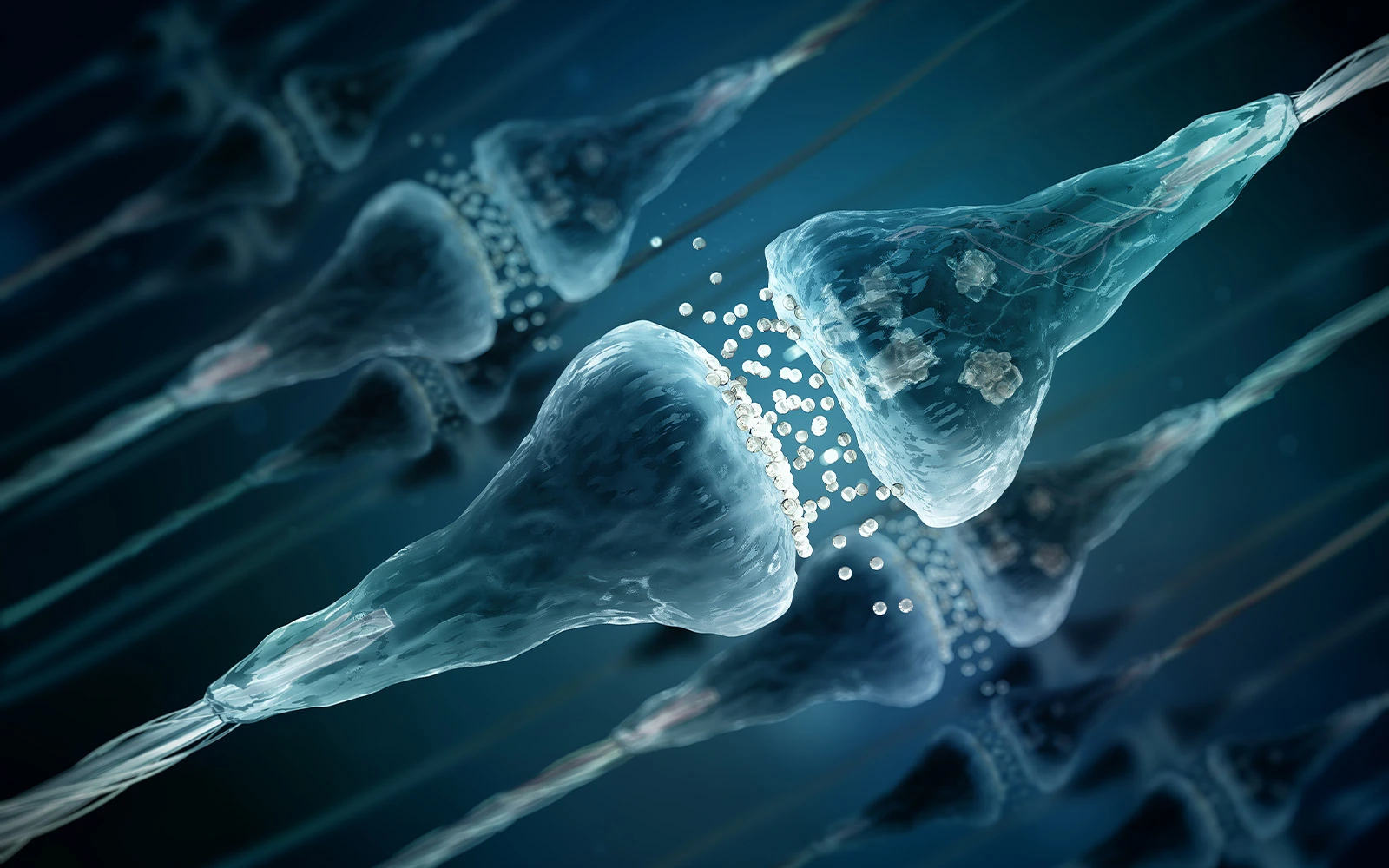
                  The Tau-C biomarker assay uses an antibody that specifically detects a fragment of tau produced by caspase-3. This assay is capable of detecting neuron loss already in the early stages of Alzheimer’s disease before the onset of symptoms.

                  After establishing the assay, we performed measurements in blood samples from individuals with brain injury, as brain injury is known to result in loss of neurons and release of fragments into the bloodstream.

                  Watch more videos about our biomarkers and the Protein Fingerprint on our YouTube channel!

                  Watch more videos about our biomarkers and the Protein Fingerprint on our YouTube channel!

                  Get in touch

                  Are you interested in exploring collaboration possibilities?
Enter your information in the form and a representative will contact you shortly.
                    Extracellular Matrix Animation

                    Quantifying Tissue Remodeling Through the Protein Fingerprint

                    The human body is formed from a single cell that divides into trillions of cells that make up the unique organs of our bodies. All cells in the human body carry the same genetic material.

                    The only way they know how to interact, behave, and form the organs is because of the context that surrounds them. This context is called the extracellular matrix.

                    Watch more videos about the extracellular matrix and the Protein Fingerprint on our YouTube channel!

                    Get in touch

                    Are you interested in exploring collaboration possibilities?
Enter your information in the form and a representative will contact you shortly.