Dermatology

Biomarkers for Dermatology

In dermatology, diseases such as atopic dermatitis and hidradenitis suppurativa are characterized by chronic inflammation and tissue remodeling. Biomarkers may serve as valuable tools for improving therapeutic strategies and identifying patient subtypes in these conditions. In this section, you can learn more about how Nordic Bioscience biomarkers can be applied in dermatology.


Quantification of immune cell activity and extracellular matrix proteins in the skin

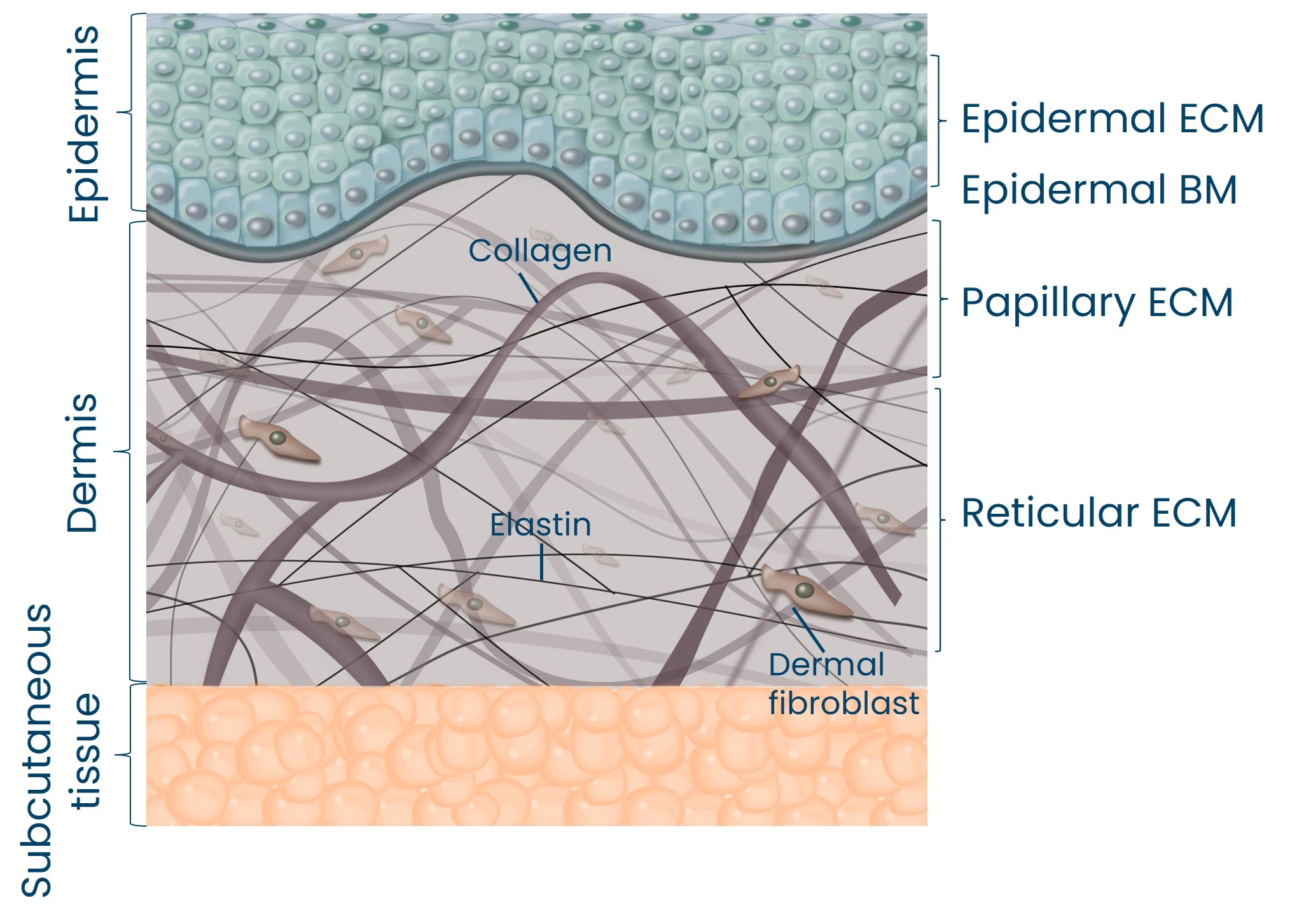
The skin is the largest organ of the human body and consists of three different layers; epidermis, dermis and subcutis. These three layers have distinct tissue architectures and functions.

Skin functions are dependent on the complex composition of extracellular matrix (ECM) proteins. The ECM of the skin can be divided into the epidermal ECM, epidermal basement membrane and the papillary/reticular ECM. The major ECM components of the skin are collagens, which are located in the different tissue compartments to maintain tissue architecture.

The Nordic ProteinFingerPrint Technology™ allows for the quantification of proteins located in the different layers of the skin, and also the quantification of immune cell activity involved in different pathologies (mast cells, neutrophils, fibroblasts, and macrophages).

Biomarkers for atopic dermatitis

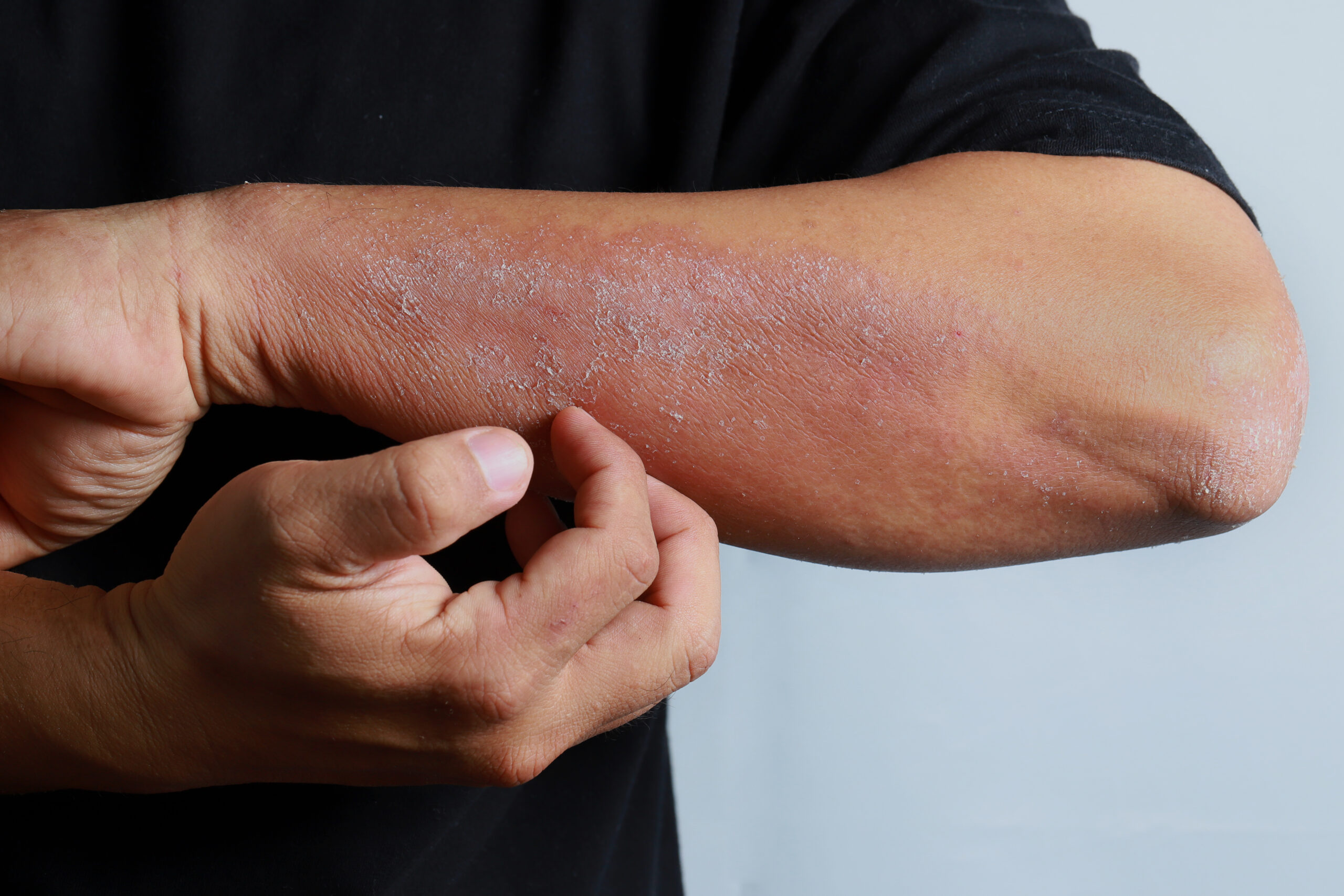
Atopic dermatitis (AD) is a chronic, inflammatory skin condition with significant patient heterogeneity and links to broader type II inflammatory diseases such as asthma and allergic rhinitis. Understanding disease mechanisms requires precise tools—tissue-specific biomarkers provide quantifiable insights into epidermal and dermal damage, as well as immune cell activity.

Nordic Bioscience’s ProteinFingerPrint Technology™ offers a clinically validated, ECM-focused biomarker platform that enables precise disease characterization, supports targeted therapy development, and facilitates scalable diagnostic solutions. This approach enhances precision medicine by identifying distinct pathological processes and guiding effective, individualized treatment strategies.

Biomarkers for hidradenitis suppurutiva

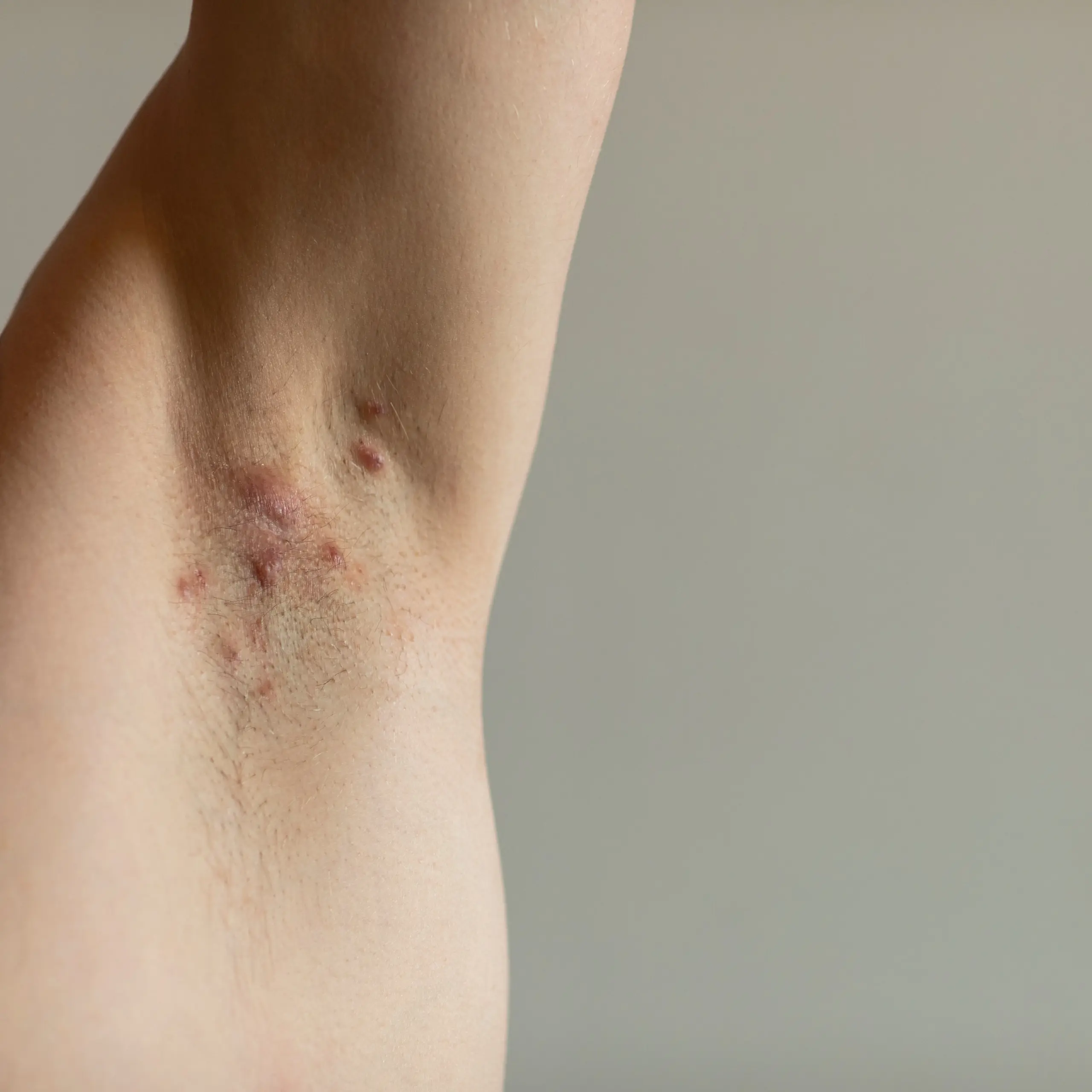
Hidradenitis suppurativa (HS) is a chronic, inflammatory skin disease characterized by painful nodules, abscesses, and sinus tract formation, leading to significant tissue remodeling and scarring. The disease shows marked clinical heterogeneity and is associated with systemic inflammation, making accurate assessment of disease activity and progression challenges. Tissue-specific biomarkers may provide objective insights into disease activity, ongoing inflammation, and tissue destruction.

Nordic Bioscience’s ProteinFingerPrint Technology™ is a clinically validated, ECM-focused biomarker platform designed to support detailed disease characterization and the development of targeted therapies. By capturing key pathological processes involved in inflammation and tissue remodeling, this approach may support improved patient stratification and contribute to more individualized treatment strategies in HS.

Biomarkers for psoriasis

Psoriasis is a chronic inflammatory skin disease characterized by keratinocyte hyperproliferation, excessive extracellular matrix remodeling, and increased immune cell activity, resulting in well-demarcated, scaly plaques. The disease shows marked clinical heterogeneity and is associated with systemic inflammation, making accurate assessment of disease activity and progression challenging. Tissue-specific biomarkers may provide objective insights into ongoing inflammation, tissue damage, and remodeling processes.

Nordic Bioscience’s ProteinFingerPrint Technology™ is a clinically validated, ECM-focused biomarker platform designed to support detailed disease characterization and the development of targeted therapies. By capturing key pathological processes involved in inflammation and tissue remodeling, this approach may support improved patient stratification and contribute to more individualized treatment strategies in psoriasis.

Biomarkers for scleroderma (systemic sclerosis)

Systemic sclerosis is a chronic systemic autoimmune disease characterized by vascular dysfunction, immune activation, and excessive extracellular matrix remodeling, leading to progressive fibrosis of the skin and internal organs. The disease is highly heterogeneous and variable in clinical course, making accurate assessment of disease activity and progression challenging. Tissue-specific biomarkers may provide objective insights into ongoing immune activity and fibrotic remodeling processes.

Nordic Bioscience’s ProteinFingerPrint Technology™ is a clinically validated, ECM-focused biomarker platform designed to support detailed disease characterization and the development of targeted therapies. By capturing key pathological processes involved in immune activation and tissue remodeling, this approach may support improved patient stratification and contribute to more individualized treatment strategies in systemic sclerosis.

Translational models in dermatology

Nordic Bioscience integrates translational disease models with ProteinFingerPrint Technology™ to support efficient translation of findings across drug development. By applying the same biomarker readouts throughout preclinical and clinical stages, a continuous link is established between experimental models and clinical applications. Biomarkers are evaluated in preclinical samples, including animal fluids and conditioned media from cellular or explant models, enabling quantitative assessment across systems. This integrated approach enhances the efficiency and translatability of drug development pipelines.

Get in touch

Are you interested in exploring collaboration possibilities?
Enter your information in the form and a representative will contact you shortly.

    Nordic Bioscience’s assays, products, and services are for research use only and are not intended for medical or diagnostic purposes.