Alopecia Areata

Biomarkers for Alopecia Areata

Alopecia areata is a chronic autoimmune disorder characterized by non-scarring hair loss caused by immune-mediated disruption of the hair follicle. In addition to immune dysregulation, alterations in the extracellular matrix (ECM) are increasingly recognized as important contributors to follicular instability and impaired hair regeneration.

Despite recent advances, several unmet needs remain in alopecia areata. Biomarkers may help improve assessment of disease activity and progression, identify distinct disease subtypes, and support patient stratification and treatment selection. In addition, biomarkers could facilitate the development of more targeted therapeutic approaches.

Current treatment selection in alopecia areata is largely guided by clinical assessment and physician experience, as reliable predictive biomarkers for treatment response remain limited. Given the variability in disease course and treatment outcomes, biomarkers may support a more personalized and targeted approach to patient management.
Basement membrane remodelling in the hair follicle

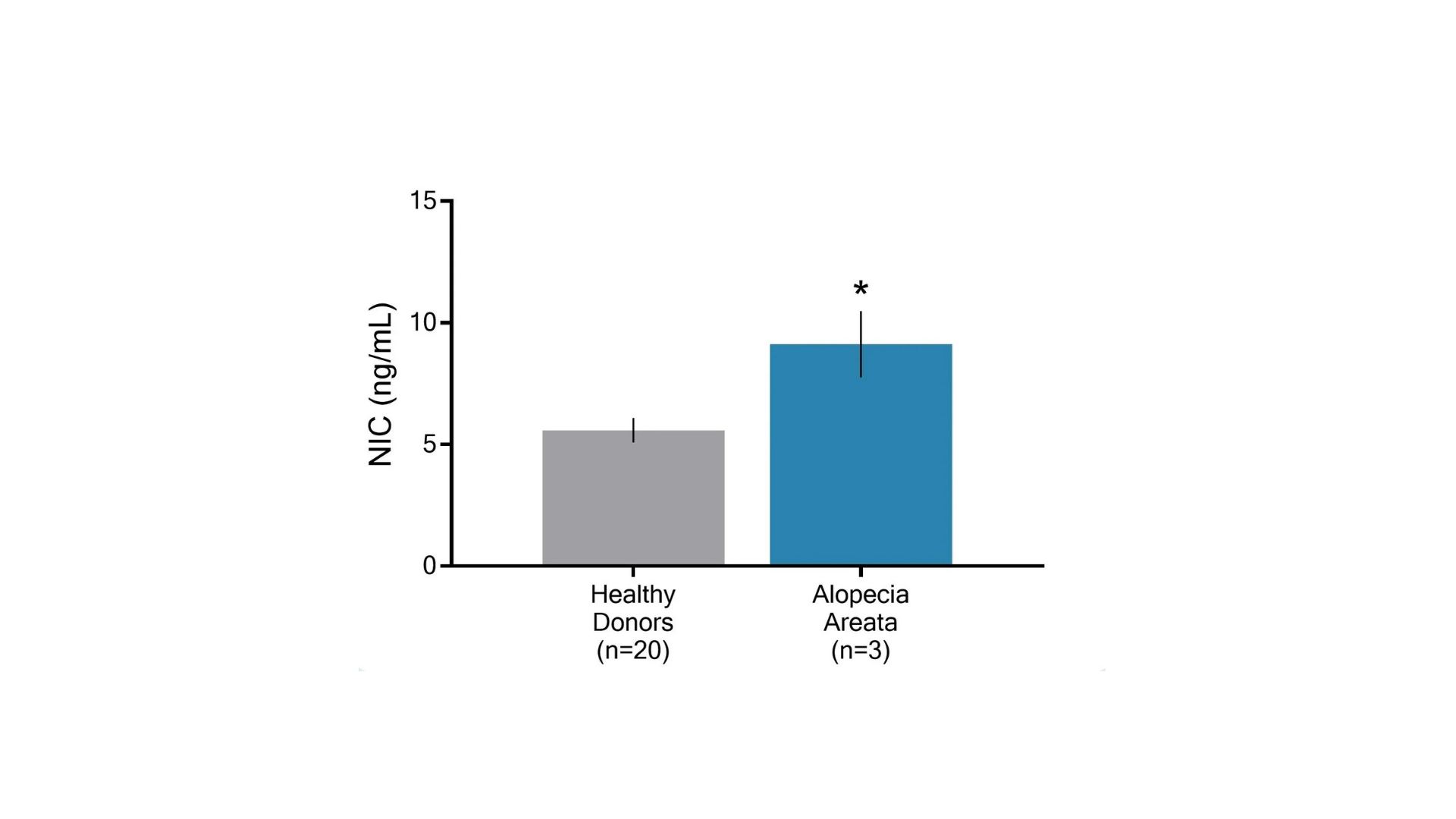
Nidogen is a key component of the basement membrane, where it supports ECM organization and tissue integrity within the hair follicle. Our research indicates that NIC, a Protein FingerPrintTM biomarker of cathepsin cleaved nidogen, is elevated in patients with alopecia areata compared to healthy donors (Figure 1).

Figure 1. The NIC biomarker is upregulated in alopecia areata compared to healthy donors.

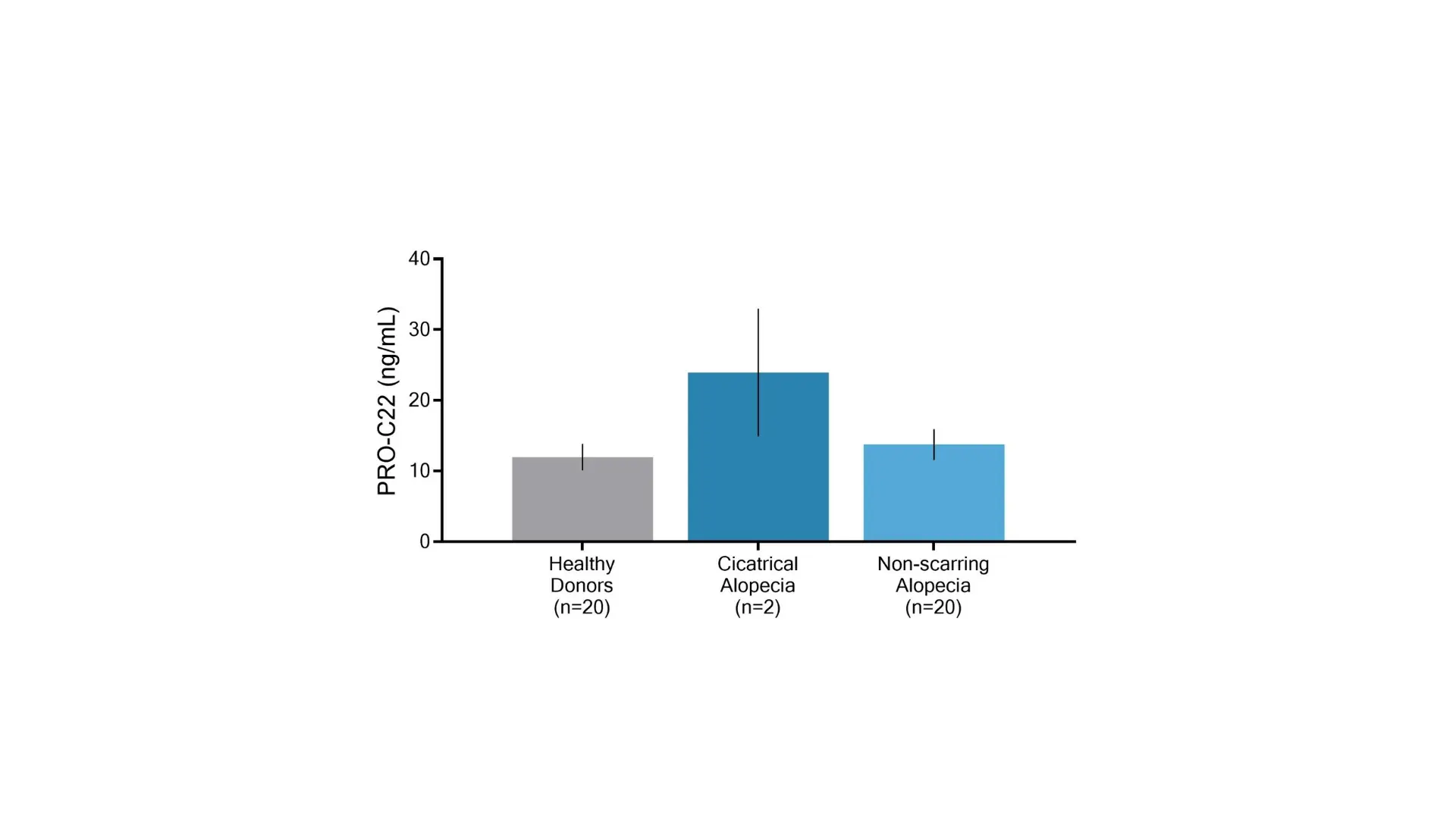
In addition to Alopecia Areata, there are others non-scarring and cicatricial (scarring) forms of alopecia. Non-scarring alopecia’s, such as alopecia areata, preserve the hair follicle and therefore retain the potential for regrowth, whereas cicatricial alopecias are characterized by permanent follicular destruction and fibrosis leading to irreversible hair loss. Type XXII collagen is a junction-associated ECM protein, and its remodeling in cicatricial alopecia may reflect follicular basement membrane disruption and fibrotic tissue remodeling associated with permanent hair follicle loss. The Protein FingerPrintTM biomarker, PRO-C22, quantifying type XXII collagen turnover, is elevated in cicatrical alopecia compared to healthy donors and non-scarring alopecia (Figure 2).

Figure 2. The PRO-C22 biomarker in cicatricial and androgenic alopecia.

The Nordic ProteinFingerPrint Technology™ in Hidradenitis Suppurativa

Watch this video to learn how our technology can help advance Hidradenitis Suppurativa research. A simple blood sample can be quantified by the Protein Fingerprint Technology and be used as a sophisticated biomarker tool for tailoring treatment solutions, predicting and monitoring disease progression and treatment response.

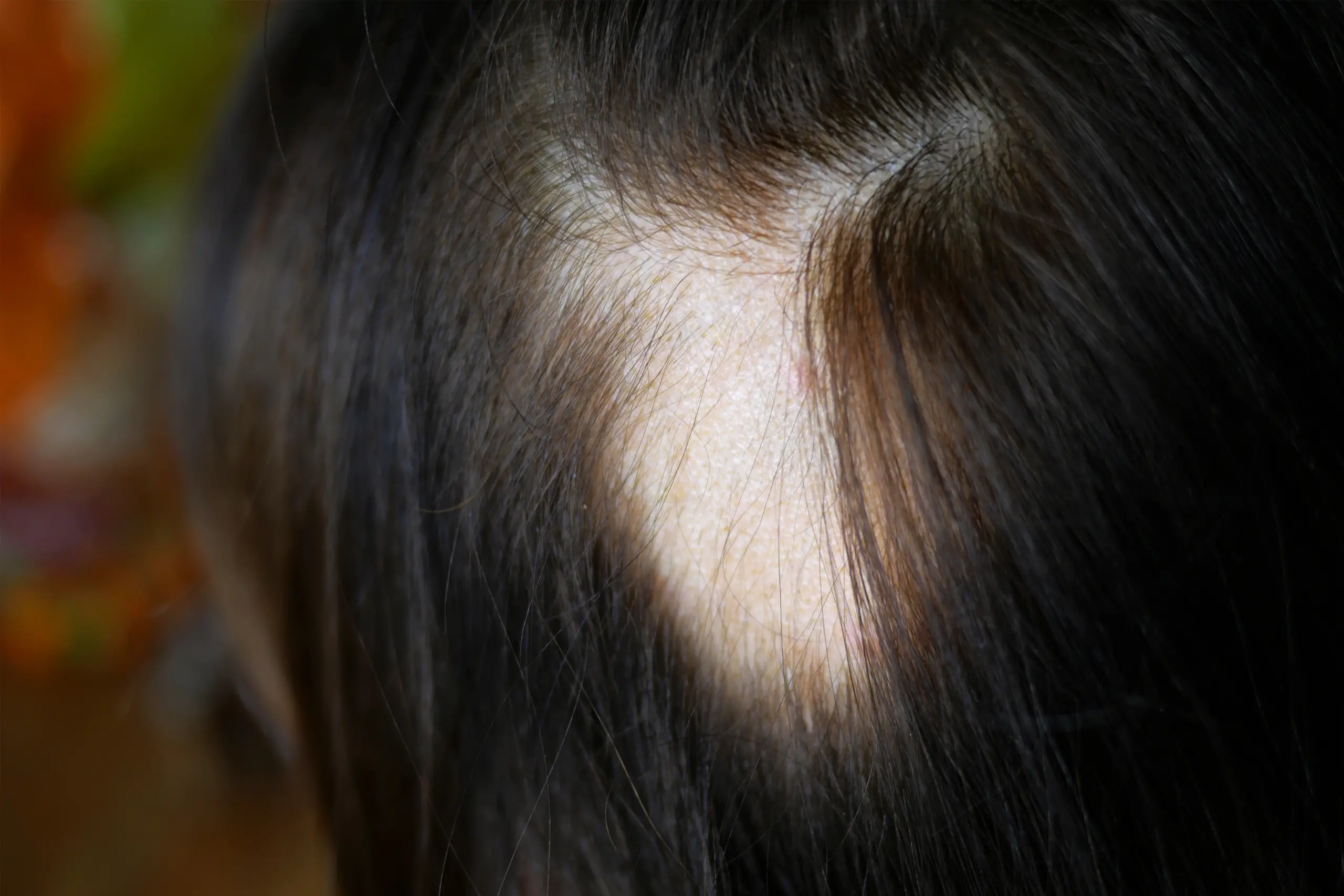
  • Alopecia areata is a common, chronic, immune-mediated disease affecting the hair follicles and causing non-scarring hair loss. It affects approximately 1–2% of the population during their lifetime.


    The condition can occur at any age but often begins in childhood or early adulthood and may follow a relapsing and unpredictable course. It is characterized by well-defined, round or oval patches of hair loss, most commonly on the scalp, but it can also affect the eyebrows, eyelashes, and other body hair.


    In some individuals, alopecia areata can progress to more extensive forms, including loss of all scalp hair (alopecia totalis) or loss of all body hair (alopecia universalis).


    The condition can have a psychological and emotional impact due to changes in appearance and uncertainty about hair regrowth.

  • Alopecia areata is diagnosed through clinical examination, including assessment of the pattern of hair loss and medical history. In some cases, additional tests such as dermoscopy or a scalp biopsy may be performed to confirm the diagnosis and rule out other causes of hair loss.


    First-line treatments may include corticosteroids, administered either topically, through local injections, or in some cases systemically. For patients with more extensive or severe disease, treatment options may include oral therapies, including immune-modulating treatments such as Janus kinase (JAK) inhibitors, as well as other systemic therapies.

  • The hair follicle is composed of different cell types and extracellular matrix (ECM) components, including collagens, which undergo continuous remodeling as part of normal hair follicle cycling and tissue homeostasis.


    In alopecia areata, an abnormal immune response targets the hair follicle, disrupting the normal hair growth cycle and leading to premature transition of follicles into the resting phase, resulting in hair shedding and impaired regrowth. This process involves changes in the ECM of the hair follicle.


    Nordic ProteinFingerPrint™ biomarkers can quantify tissue remodeling and disease-related changes directly in a serum sample, providing a minimally invasive approach that may serve as a liquid biopsy for monitoring biological processes associated with alopecia areata.

Get in touch

Are you interested in exploring collaboration possibilities?
Enter your information in the form and a representative will contact you shortly.