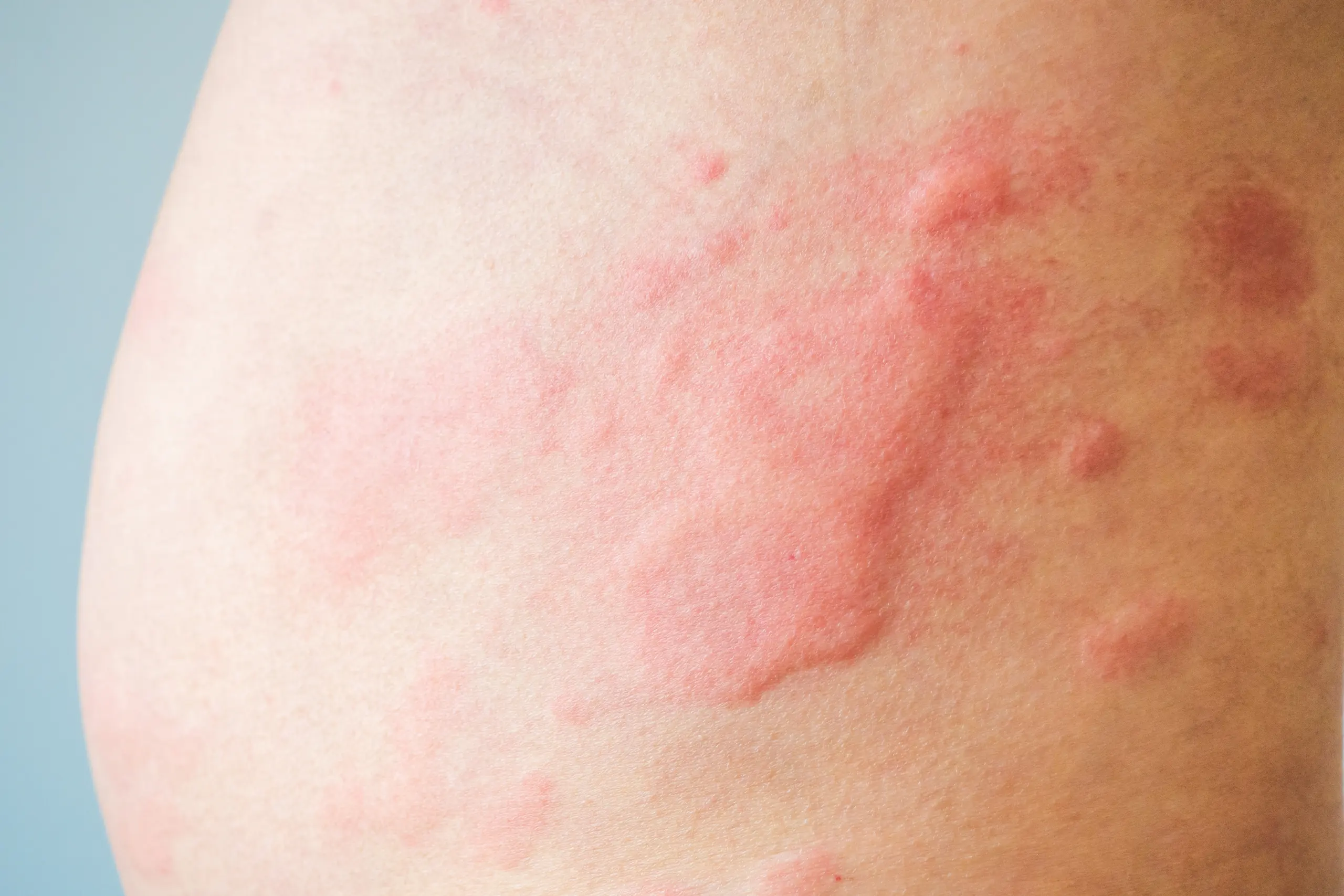
Urticaria (hives) is a skin condition characterized by intensely itchy, raised wheals, sometimes accompanied by angioedema, a deeper swelling of the skin and mucosal tissues.
Chronic spontaneous urticaria (CSU) is a form of urticaria in which wheals, angioedema, or both reoccur for more than six weeks without an identifiable trigger. CSU is driven by activation of mast cells, which release inflammatory mediators such as histamine, causing itching, redness, swelling, and discomfort.
Autoimmune mechanisms can activate mast cells in CSU, leading to increased blood vessel permeability, immune cell recruitment, and persistent inflammation. CSU has also been linked to activation of coagulation and fibrinolytic pathways, with biomarkers such as D-dimer often elevated during disease flare-ups.
Despite advances in understanding CSU, reliable biomarkers are still needed to improve diagnosis, disease classification, and treatment selection. As CSU is a heterogeneous disease with distinct underlying mechanisms, biomarkers may help identify disease endotypes and predict therapeutic response.