Markers of extracellular matrix remodeling and wound healing are associated with fibrostenotic Crohn’s disease
Introduction
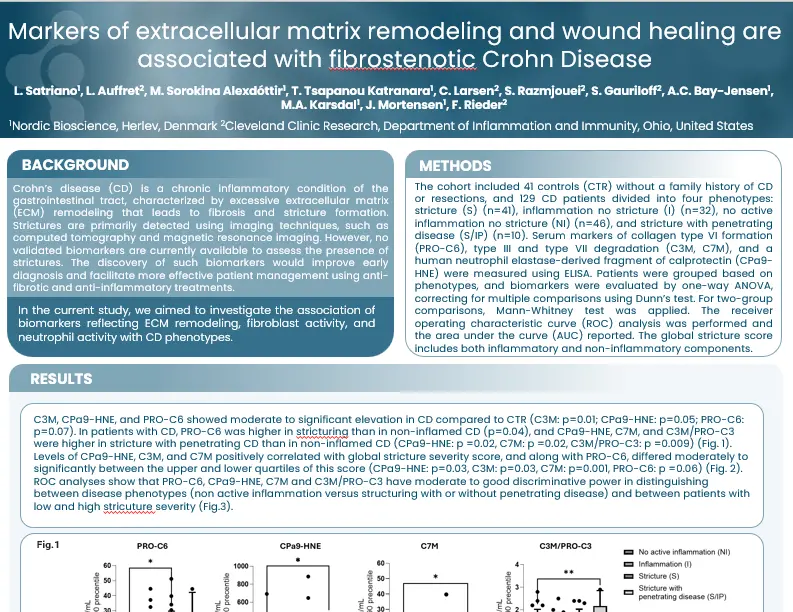
Crohn’s disease (CD) is a chronic inflammatory condition of the gastrointestinal tract, characterized by excessive extracellular matrix (ECM) remodeling that leads to fibrosis and stricture formation. Strictures are primarily detected using imaging techniques, such as computed tomography and magnetic resonance imaging. However, no validated biomarkers are currently available to assess the presence of strictures. The discovery of such biomarkers would improve early diagnosis and facilitate more effective patient management using anti-fibrotic and anti-inflammatory treatments.
This study aimed to investigate the association of biomarkers reflecting ECM remodeling, fibroblast activity, and neutrophil activity with CD phenotypes.
The fibrosis marker (PRO-C6) was associated with stenosis and was elevated in CD patients with high levels of global stricture scores. Markers of mucosal damage (C7M, C3M/PROC3) and inflammation (CPa9-HNE) were associated with patients with stenosis and penetrating disease and showed a positive association with the global stricture score. These data suggest that markers of ECM remodeling could be valuable tools for assessing fibrostenosis in patients with CD.
Get in touch
Are you interested in exploring collaboration possibilities? Enter your information in the form and a representative will contact you shortly.
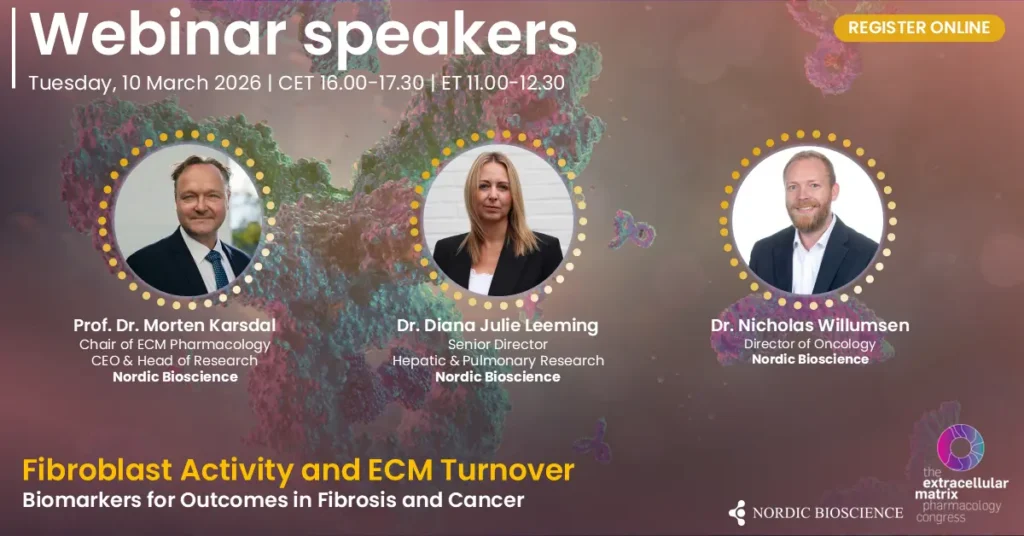
Fibroblast Activity and ECM Turnover: Biomarkers for Outcomes in Fibrosis and Cancer
Watch the replay of this webinar to learn more about why the extracellular matrix (ECM) sits at the center of chronic disease and why fibroblast activity is emerging as a practical, quantifiable lever for prognosis and drug development across fibrosis and oncology.
We highlight key takeaways from over 700 publications, with a focus on the most decision-relevant insights. We also showcase registry data from Denmark documenting that:
4/10 individuals live with ECM changes
1/4 live with fibrosis
55% of deaths are linked to diseases involving ECM remodeling
ECM remodeling is not background biology, but rather a measurable disease process that cuts across organ systems and indications. A substantial share of the population lives with ECM changes, and fibrosis remains a dominant contributor to mortality. This webinar focuses on the practical question: how do we quantify fibroblast-driven matrix turnover in a way that predicts outcomes and can guide therapy development?
Across liver, lung, skin, intestinal, cardiovascular, kidney disease, and across solid tumors, fibroblast activity is repeatedly associated with prognosis. Regulatory momentum also reflects this direction: fibroblast activity biomarkers such as PRO-C3 and PRO-C6 (type III and type VI collagen formation) are supported for prognostic use.
We will connect mechanistic framing (what fibroblasts are doing) with translational readouts (what biomarkers capture in blood), then move into two applied deep dives:
Chronic liver disease: prognostic performance of ECM biomarkers, with emphasis on PRO-C3
Solid tumors: CAF-linked matrix signatures, including collagen type XI, and how baseline fibroblast activity stratifies survival
Dr. Morten Karsdal joined Nordic Bioscience in 2001 and became CEO in June 2010, leading the company to significant advancements in biomarker development and disease biology.
Dr. Karsdal is a KOL in extracellular matrix research, with more than 700 publication, 44,684 citations, and an impressive H-index of 106.
Dr. Karsdal is an honorary professor of inflammation research at the University of Southern Denmark, where he continues to supervise PhD students, fostering the next generation of researchers.
Dr. Karsdal chairs the Extracellular Matrix Pharmacology Congress, an important forum for advancing drug development by focusing on the extracellular matrix (ECM) as a key factor in most chronic diseases. He is renowned for his deep expertise in fibrosis, rheumatology (including rheumatoid arthritis and osteoarthritis), diabetes, and other chronic conditions, particularly in relation to ECM and biomarker research.
Dr. Karsdal has led the development of FDA-approved and supported molecular diagnostics, as well as more than 100 commercialized biomarker assays, including ELISA assays and high precision automated platforms.
He has extensive experience in clinical trial design and the clinical application of biochemical markers, often serving as a consultant to major pharmaceutical companies for the use of serological biomarkers in clinical trials.
In 2016, he and his research team authored the first edition of “Biochemistry of Collagens, Laminins and Elastin,” published by Elsevier Science. The book, now in its 3rd edition as of 2023, is a key resource on collagens and structural proteins, with a focus on their applications in chronic diseases.
Dr. Diana Julie Leeming
Dr. Diana Julie Leeming is the Senior Director of Fibrosis, Hepatic, and Pulmonary Research at Nordic Bioscience.
She joined Nordic Bioscience in 2004 and assumed the role of Director of Fibrosis in 2010, later being promoted to Senior Director in 2024.
Dr. Leeming focuses on developing serologically assessed markers to evaluate extracellular matrix remodeling in patients with pulmonary or hepatic fibrosis, aiding in diagnosis and pharmacodynamic evaluation.
She is a principal inventor of the PRO-C3 assay, a fibrogenesis marker utilized in multiple clinical trial studies.
Dr. Leeming has authored over 280 peer-reviewed publications, demonstrating her extensive contributions to the field.
Her H-index is 69, her I10-index is 195, and her research has garnered over 15,736 citations as of February 2026.
Dr. Nicholas Willumsen
Dr. Nicholas Willumsen is Director of Oncology at Nordic Bioscience, a position he has held since 2022.
He joined Nordic Bioscience in 2012 and became Head of the Oncology Department in 2016.
Dr. Willumsen leads a research group focused on the development of blood-based biomarkers to quantify tumor matrix components in serum from cancer patients.
His work aims to elucidate pharmacodynamic effects, treatment efficacy, and resistance mechanisms across cancer therapies.
The group’s research spans the full translational pipeline, from biomarker discovery to preclinical studies and clinical validation.
A central focus is understanding tumor–extracellular matrix interactions and their role in disease progression and treatment response.
Dr. Willumsen’s research supports the use of non-invasive biomarkers to guide oncology drug development and clinical decision-making.
He has authored peer-reviewed publications with an H-index of 31 and an i10-index of 53.
His work has received 3,246 citations as of February 2026.
This webinar is hosted co-hosted together with the International Society of Extracellular Matrix Pharmacology.
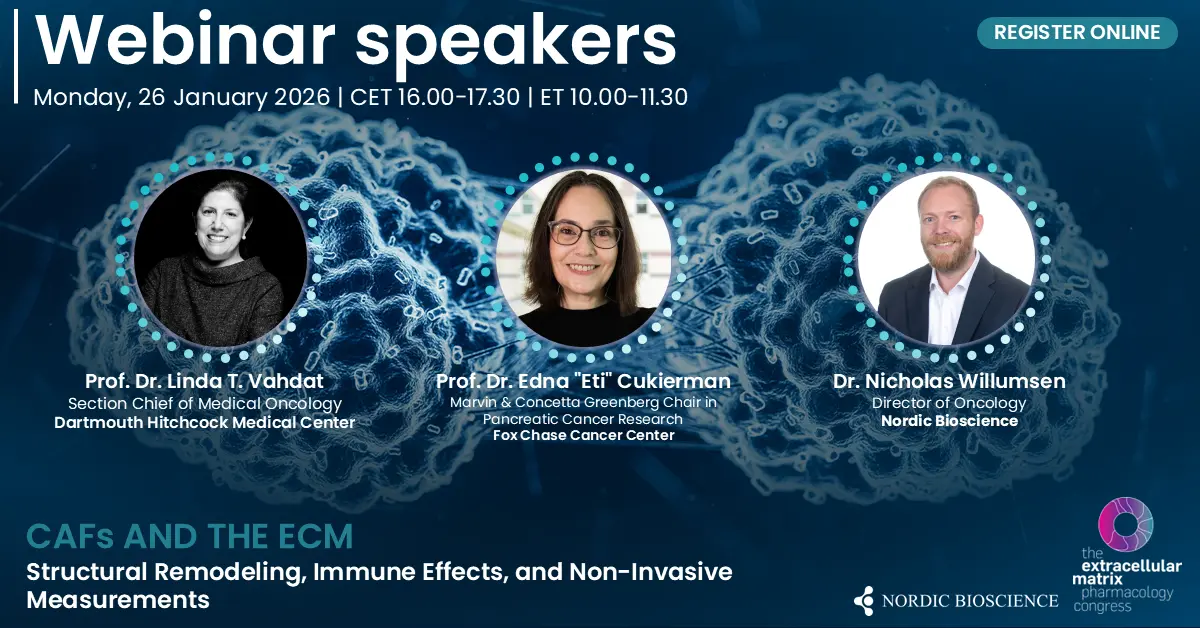
Structural Remodeling, Immune Effects, and Non-Invasive Measurements
Overview
Watch the replay of this webinar to learn more about how cancer-associated fibroblasts (CAFs) and the extracellular matrix (ECM) operate as functional units that shape tumor biology, and how these mechanisms can be translated into clinically useful readouts. This session will cover how circulating ECM fragments can be used as readouts of tumor microenvironment activity, supporting patient stratification, pharmacodynamic monitoring, and hypothesis testing in clinical trials.
Agenda
Welcome and Introduction (Chair) | Dr. Morten Karsdal — 10 min
CAF/ECM Functional Units and Clinical Translation in Human Pancreatic Cancer | Prof.Dr. Edna Cukierman (Fox Chase Cancer Center) — 20 min
Copper Depletion, ECM/Collagen Remodeling, and Immune Response in Breast Cancer | Prof. Dr. Linda T. Vahdat (Dartmouth Hitchcock Medical Center) — 20 min
Non-Invasive ECM-Derived Biomarkers of CAF and Immune Cell Activity in Clinical Cancer Research | Dr. Nicholas Willumsen (Nordic Bioscience) — 20 min
CAFs and the ECM do not act as background structure in tumors: they form interacting, measurable functional units that influence tissue mechanics, signaling, and immune context. In pancreatic cancer, these CAF/ECM units are central to how tumors organize their local environment, including ECM deposition and remodeling patterns that can affect therapeutic response and disease behavior, where immune regulation also plays a part of this unit-level biology.
In breast cancer, ECM remodeling, particularly collagen turnover and reorganization, links directly to immune activity and tumor progression. A clinically relevant question is which upstream levers shift ECM remodeling in ways that also alter immune response. This webinar includes insights into how copper depletion can influence collagen remodeling and immune dynamics, with implications for how ECM state may be modified and monitored in patients.
Finally, translation requires measurement. Non-invasive ECM-derived biomarkers offer a practical route to quantify CAF activity and immune cell-associated processes in clinical research. The session covers how circulating ECM fragments can be used as readouts of tumor microenvironment activity, supporting patient stratification, pharmacodynamic monitoring, and hypothesis testing in clinical trials.
Prof. Dr. Linda T. Vahdat is Section Chief of Medical Oncology and Interim Section Chief of Hematology at Dartmouth Hitchcock Medical Center, and Professor of Medicine at the Geisel School of Medicine at Dartmouth.
She is a board-certified medical oncologist specializing in breast cancer, with a particular focus on metastatic and triple-negative breast cancer.
Prof. Dr. Vahdat’s clinical and research mission centers on preventing metastasis and improving survival and quality of life through individualized, research-guided cancer care.
Her approach emphasizes tailoring therapy intensity to disease stage, aiming for cure with minimal long-term toxicity in early disease and optimal longevity and well-being in metastatic settings.
She integrates translational research into clinical practice, including investigations into copper biology and its role in cancer progression and metastasis.
Prof. Dr. Vahdat joined Dartmouth Cancer Center in 2022 and plays a key leadership role in the Comprehensive Breast Program.
She earned her MD from Mount Sinai School of Medicine, completed residency training at Mount Sinai Hospital, and a Hematology/Oncology fellowship at Memorial Sloan Kettering Cancer Center.
She also holds an MBA from the MIT Sloan School of Management, reflecting expertise in healthcare leadership and strategy.
Prof. Dr. Vahdat is committed to patient-centered oncology, prioritizing shared decision-making, education, and empowerment throughout the cancer journey.
Her work aligns clinical excellence with translational insight to advance outcomes in breast cancer and metastatic disease.
Prof. Dr. Edna Cukierman
Prof. Dr. Edna Cukierman is the Marvin & Concetta Greenberg Chair in Pancreatic Cancer Research and ACS Wilmott Family Professor of Pancreatic Cancer at Fox Chase Cancer Center.
She is Co-Leader of the Cancer Signaling and Microenvironment Program and Director of the Spatial Immuno-Proteomic Initiative, specializing in high-plex spatial immunofluorescence.
Her research centers on the desmoplastic tumor microenvironment (TME) and how cancer-associated fibroblasts (CAFs) and CAF-generated extracellular matrix (ECM) regulate tumor progression.
Prof. Dr. Cukierman’s laboratory pioneered a unique 3D culture system that mimics in vivo mesenchymal stroma to study functional tumor–stroma interactions.
She developed Harmonic Output of Stromal Traits (HOST) and the HOST-Factor, a quantitative framework to define functional states of TME cells.
Her work dissects how CAF–ECM units interact with immune cells, nerves, and cancer cells to drive tumor-supportive or tumor-suppressive behaviors.
A key focus is evaluating HOST-Factor values as TME-based prognostic biomarkers and predictors of therapeutic response.
Prof. Dr. Cukierman integrates high-plex spatial immunofluorescence with AI-guided image analysis to generate cell-resolved TME functional maps.
She has received numerous honors, including AACR TME Working Group Chair (2024–2026), multiple pancreatic cancer foundation awards, and election to leadership roles in the American Society of Matrix Biology.
Her work aims to enable next-generation ECM- and TME-targeted therapies, directly aligning with translational goals in pancreatic cancer research.
Dr. Nicholas Willumsen
Dr. Nicholas Willumsen is Director of Oncology at Nordic Bioscience, a position he has held since 2022.
He joined Nordic Bioscience in 2012 and became Head of the Oncology Department in 2016.
Dr. Willumsen leads a research group focused on the development of blood-based biomarkers to quantify tumor matrix components in serum from cancer patients.
His work aims to elucidate pharmacodynamic effects, treatment efficacy, and resistance mechanisms across cancer therapies.
The group’s research spans the full translational pipeline, from biomarker discovery to preclinical studies and clinical validation.
A central focus is understanding tumor–extracellular matrix interactions and their role in disease progression and treatment response.
Dr. Willumsen’s research supports the use of non-invasive biomarkers to guide oncology drug development and clinical decision-making.
He has authored peer-reviewed publications with an H-index of 30 and an i10-index of 59.
His work has received 2,824 citations as of June 2025.
This webinar is hosted co-hosted together with the International Society of Extracellular Matrix Pharmacology.
At Nordic Bioscience, we provide central and specialty lab services that encompass a broad range of diagnostic and exploratory tests such as the ELF™ (Enhanced Liver Fibrosis) test.
What is the ELF™ Test?
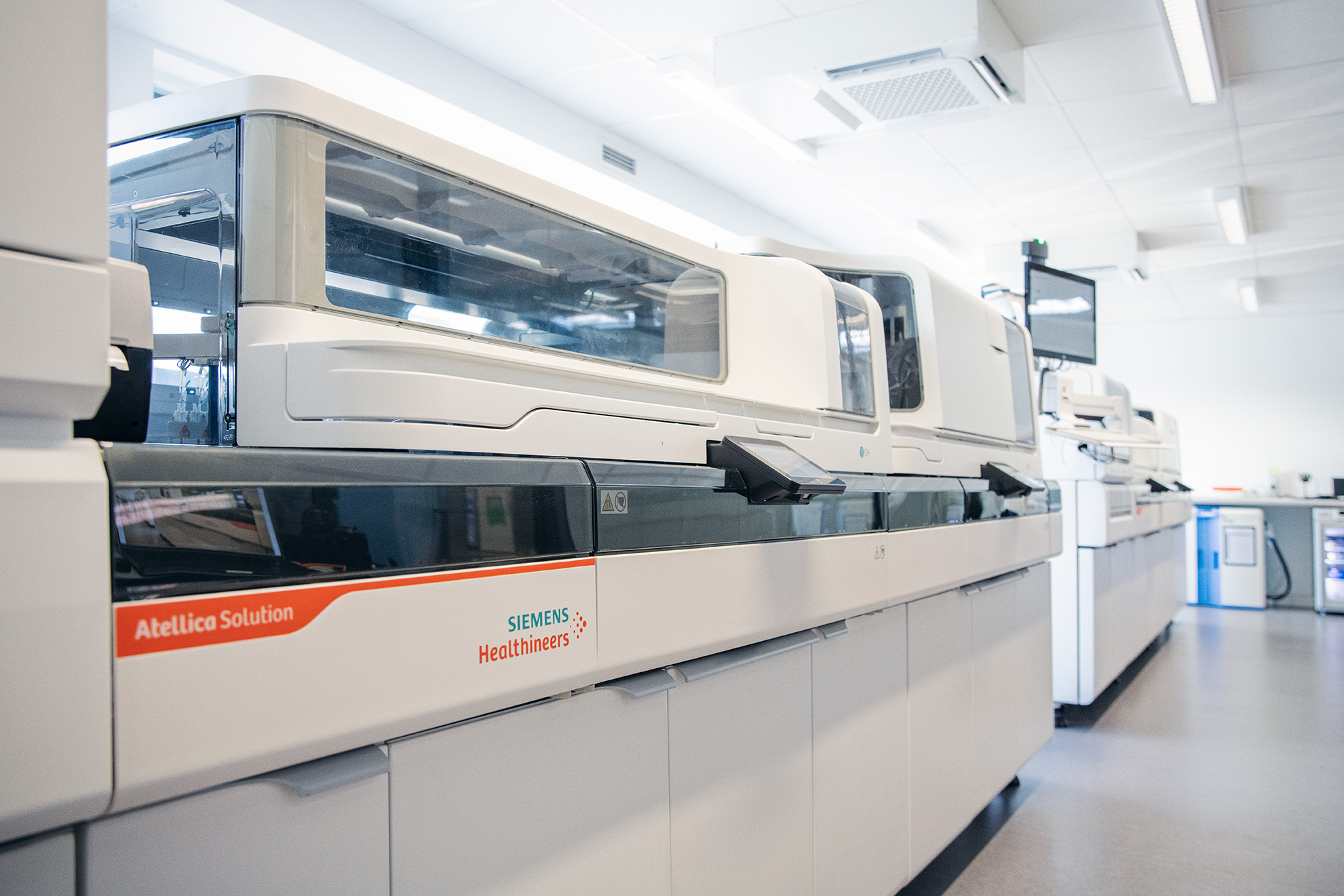
The ELF™ test is available on our high-throughput Siemens Atellica IM® platform, where it brings together three direct extracellular-matrix biomarkers into a validated composite score: HA, PIIINP, and TIMP-1.
The analytes are automatically measured, and the software calculates and reports a unitless numeric score. Increasing ELF scores are linked to both biopsy-proven fibrosis and prognosis for clinically significant outcomes.
The ELF scoring system– Severityassessment (against biopsy-proven fibrosis)
None to Mild
Score: <7.7
Moderate
Score: ≥7.7 to <9.8
Severe
Score: ≥9.8 (associated with high risk of significant fibrosis)
Cirrhosis
Score: ≥11.3*
These insights help clinicians and researchers to assess fibrosis severity and stratify risk in metabolic and chronic liver diseases, including MASLD/NAFLD.
Why measure with us?
Efficient sample requirements – We require just 165 µL of serum, reducing patient burden and supporting streamlined sampling in both clinical practice and study settings.
Excellent long-term sample stability – Samples are stable for up to 25 months at ≤ –70°C (in-house data) and up to 3 years according to published literature which is ideal for global trials and multi-site studies
Integrated biomarker strategy – ELF is complemented by nordicPRO-C3™, our collagen formation biomarker that reflects active fibrogenesis, offering a dual perspective.
This creates a more complete fibrosis profile than traditional liver enzymes alone (ASAT, ALAT), enabling more confident interpretation and decision-making.
Get in touch
Are you interested in exploring collaboration possibilities? Enter your information in the form and a representative will contact you shortly.
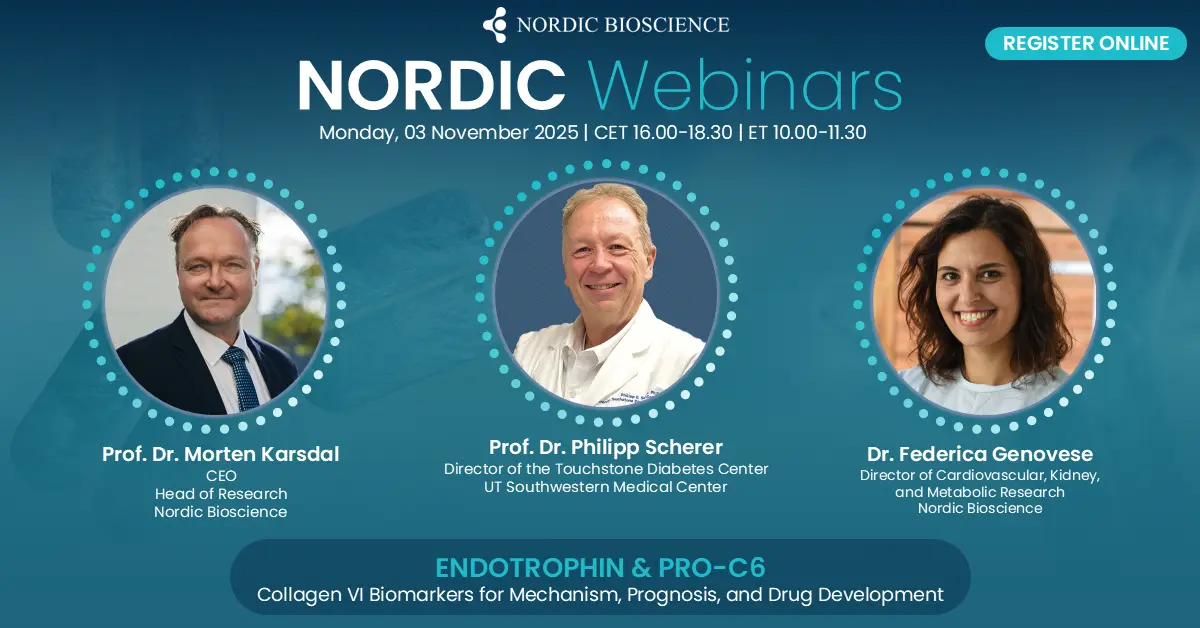
Collagen VI Biomarkers for Mechanism, Prognosis, and Drug Development
Overview
Type VI collagen sits at the intersection of fibroblast activation, fibrogenesis, and wound healing. Two assays quantify distinct aspects of this axis:
NordicPRO-C6™ measures total type VI collagen formation via the α3 chain, which contains 12 von Willebrand factor (vWF) binding domains—more than any known protein. These domains can bind and activate platelets independently of vWF, releasing TGF-β and PDGF and linking platelet biology to fibroblast activation, fibrosis, and wound repair.
NordicEndotrophin™ isolates Endotrophin, a 77-aa hormone released during type VI collagen synthesis. Endotrophin lacks vWF-binding domains but directly drives fibroblast activation and fibrogenesis. It represents the biologically active subpopulation within the broader pool of collagen VI formation fragments.
Together, these assays provide complementary insights: PRO-C6 reflects total collagen VI formation, while Endotrophin isolates the signaling activity of Endotrophin, offering a more nuanced understanding of fibrotic processes. This pairing enables diagnostic, prognostic, and pharmacodynamic readouts and supports regulated deployment on diagnostic platforms.
What you can expect to learn
As a special guest star, Prof. Dr. Philipp Scherer (who found the Endotrophin molecule), shares the discovery and story of Endotrophin
ECM essentials: nomenclature, serological biomarkers, and where they fit in development programs.
Endotrophin as an active collagen hormone that molecularly initiates wound-healing programs and fibrogenesis.
Endotrophin & PRO-C6: connecting fibroblast activity, tissue repair, and outcomes; weight-dependent and weight-independent modulation.
Type VI collagen risk biology: why this collagen is “unique and dangerous.”
Outcomes and indications: evidence positioning Endotrophin as an outcome biomarker in CVD, kidney, skin, lung, and fibrostenosis.
Genetics to serum: GWAS/Mendelian randomization linking Endotrophin to cardiovascular outcomes and how to operationalize serological endpoints.
Assay deployment: regulatory support, technical performance, and platform implementation for trials.
1. Introduction: ECM and biomarker nomenclature – Short orientation to ECM remodeling and serological readouts. – Where collagen-derived neo-epitopes fit in MoA, enrichment, and PD.
2. Endotrophin: a collagen-derived hormone – Molecular origin during collagen VI synthesis (77-aa release). – Direct effects on fibroblasts; initiation of wound-healing/fibrogenic programs.
3. Understanding type VI collagen – Architecture and α3 chain features; 12 vWF-binding domains and platelet activation; TGF-β/PDGF release. – Why collagen VI is central across fibrotic pathologies.
4. Assay spotlight: NordicPRO-C6™ vs. NordicEndotrophin™ – PRO-C6: total type VI collagen formation/pool. – Endotrophin: selective quantification of the active signaling hormone. – Complementarity for mechanism + outcome.
5. Clinical translation – Endotrophin as outcome biomarker in CVD, kidney, skin, lung, and fibrostenosis. – Weight-dependent and weight-independent modulation of fibroblast activity and Endotrophin/PRO-C6 levels. – Type VI collagen biomarkers: tissue formation vs. tissue degradation signatures and links to disease trajectories.
6. GWAS and Mendelian randomization – Connecting Endotrophin to cardiovascular outcomes. – Integration with serological measures.
7. From discovery to development – Diagnostic, prognostic, and pharmacodynamic roles (“unicorn biomarkers”). – Regulatory interactions and technical excellence on diagnostic platforms; implementation in multicenter studies.
8. Q&A – Open discussion with Dr. Morten Karsdal and Dr. Federica Genovese
Who Should Watch this Webinar
Drug developers and translational scientists focused on fibrotic disease mechanisms.
Clinical development teams designing trials in liver fibrosis, tumor microenvironment targeting, pulmonary fibrosis, renal fibrosis, and heart failure.
Biomarker strategists seeking real-world examples of regulatory-qualified molecular diagnostics.
Anyone working at the interface of ECM biology, serological biomarker development, and precision medicine.
Speakers
Prof. Dr. Philipp Scherer
Prof. Dr. Philipp Scherer is a Professor of Internal Medicine and Cell Biology at UT Southwestern Medical Center, where he serves as Director of the Touchstone Diabetes Center.
He holds two endowed titles: the Gifford O. Touchstone, Jr. and Randolph G. Touchstone Distinguished Chair in Diabetes Research, and the Touchstone/West Distinguished Chair in Diabetes Research.
Originally from Switzerland, he earned his Ph.D. in biochemistry from the University of Basel’s Biocenter and completed postdoctoral training at the Whitehead Institute for Biomedical Research under Dr. Harvey Lodish.
Dr. Scherer is one of the world’s most cited scientists (127,599 citations; h-index 173; i10-index 515) and has published more than 350 peer-reviewed papers along with over 140 reviews and book chapters.
His groundbreaking discovery in 1995 that adipocytes secrete the hormone adiponectin revolutionized our understanding of fat cells—from passive energy stores to dynamic endocrine organs central to metabolism and immunity.
He also discovered Endotrophin, and is a leading voice in its research, highlighting its emerging role in fibrosis, inflammation, and metabolic dysfunction—an area that continues to gain importance in diabetes and chronic disease biology.
Dr. Scherer takes pride in mentoring the next generation of scientists, with many of his trainees now holding tenure-track academic positions or leadership roles in biotech and pharma.
His scientific excellence has earned him the “triple crown” of global diabetes research honors: the Banting Medal for Scientific Achievement (2015), the EASD–Novo Nordisk Foundation Diabetes Prize for Excellence (2017), and the Manpei Suzuki International Prize for Diabetes Research (2018).
Recognized among Thomson Reuters’ World’s Most Influential Scientific Minds (2004–2021), he continues to shape the fields of endocrinology, metabolism, and fibrosis research.
Beyond research, he contributes to education and academic leadership, serving on UT Southwestern’s planning committees and editorial boards for Cell Metabolism and Journal of Clinical Investigation.
Prof. Dr. Morten Karsdal
Dr. Morten Karsdal joined Nordic Bioscience in 2001 and became CEO in June 2010, leading the company to significant advancements in biomarker development and disease biology.
Dr. Karsdal is a KOL in extracellular matrix research, with more than 700 publication and an impressive H-factor of 100.
Dr. Karsdal is an honorary professor of inflammation research at the University of Southern Denmark, where he continues to supervise PhD students, fostering the next generation of researchers.
Dr. Karsdal chairs the Extracellular Matrix Pharmacology Congress, an important forum for advancing drug development by focusing on the extracellular matrix (ECM) as a key factor in most chronic diseases. He is renowned for his deep expertise in fibrosis, rheumatology (including rheumatoid arthritis and osteoarthritis), diabetes, and other chronic conditions, particularly in relation to ECM and biomarker research.
Dr. Karsdal has led the development of FDA-approved and supported molecular diagnostics, as well as more than 100 commercialized biomarker assays, including ELISA assays and high precision automated platforms.
He has extensive experience in clinical trial design and the clinical application of biochemical markers, often serving as a consultant to major pharmaceutical companies for the use of serological biomarkers in clinical trials.
In 2016, he and his research team authored the first edition of “Biochemistry of Collagens, Laminins and Elastin,” published by Elsevier Science. The book, now in its 3rd edition as of 2023, is a key resource on collagens and structural proteins, with a focus on their applications in chronic diseases.
Dr. Federica Genovese
Dr. Federica Genovese is the Director of Cardiovascular and Renal (CVR) Research at Nordic Bioscience. She also heads the Translational Research group.
She joined Nordic Bioscience in 2011 and assumed the role of Group leader of Kidney research in 2015 and then became Director of CVR in 2019.
Dr. Genovese focuses on developing serologically assessed markers to evaluate extracellular matrix remodeling in patients with cardiovascular and renal diseases, aiding in prognostic and pharmacodynamic evaluation.
Her team has produced the bulk of data on endotrophin, measured by the PRO-C6 assay, a fibroblast activity marker and a pro-fibrotic molecule, utilized as risk marker of adverse outcomes in multiple fibro-inflammatory diseases.
Dr. Genovese has authored more than 100 peer-reviewed publications, demonstrating her extensive contributions to the field.
Her H-index is 30, her i10-index is 42, and her research has garnered over 3790 citations as of October 2025.
The webinar is organized exclusively by Nordic Bioscience.
Breaking down the Matrix: The Interplay Between Fibrosis, Inflammation, and Autoimmunity
Watch our latest dermatology webinar “Breaking down the Matrix: The Interplay Between Fibrosis, Inflammation, and Autoimmunity”, to learn more about the role of the ECM in the pathogenesis of autoimmune conditions affecting both skin and joints, with a focus on systemic sclerosis and lupus.
In this webinar we will dive into the the interplay between fibrosis, inflammation, and autoimmunity.
Autoimmune skin diseases involve more than immune dysfunction—they disrupt tissue structure through early and persistent extracellular matrix (ECM) remodeling. This webinar examines the ECM’s central role in the pathogenesis of autoimmune conditions affecting both skin and joints, with a focus on systemic sclerosis and lupus.
Systemic sclerosis is characterized by immune dysregulation, vascular abnormalities, and progressive fibrosis, driven by activated fibroblasts and sustained pro-fibrotic signaling that lead to excessive ECM deposition and multi-organ involvement. In lupus, widespread inflammation and immune-mediated tissue damage also intersect with ECM remodeling, contributing to disease heterogeneity and long-term complications.
By exploring shared inflammatory and fibrotic pathways across these diseases, we highlight recent advances in targeted therapies designed to interrupt ECM-driven pathology and improve disease management.
Agenda
Welcome and Introduction to the Extracellular Matrix and Autoimmunity by moderator Dr. Signe Holm Nielsen
Systemic Sclerosis: The Vascular–Inflammatory–Fibrotic Axes and Investigating Their Role with Collagen Biomarkers in The ECM and Cellular Therapies | Prof. Dr. Dinesh Khanna
Do Fibroblasts Matter in Cutaneous Lupus? | Prof. Dr. J. Michelle Kahlenberg
Challenges in Drug Development for Systemic Sclerosis | Dr. Christina Merz-Stoeckle
Questions from the chat
Duration: 90 minutes
Speakers
Prof. Dr. Dinesh Khanna
Prof. Dr. Dinesh Khanna is a leading expert in scleroderma and related conditions, with an H-index of 107, i10-index of 485, and over 64,000 citations.
He directs a multidisciplinary team of clinicians, scientists, and researchers focused on advancing understanding and treatment of scleroderma.
His research includes the development of novel patient-reported outcome measures for scleroderma and various joint diseases.
Prof. Dr. Khanna has extensive expertise in clinical trial design for evaluating new treatments in scleroderma.
He plays a key role in leading international initiatives to establish management guidelines for scleroderma and gout.
His work bridges patient-centered research with evidence-based clinical practice.
Prof. Dr. Khanna is recognized globally for shaping therapeutic strategies in rare autoimmune and rheumatic diseases.
He is committed to improving quality of life and outcomes for patients through innovative research and clinical care.
His leadership fosters strong collaborations between academia, clinical medicine, and patient advocacy groups.
Prof. Dr. Khanna’s contributions have positioned him as a driving force in rheumatology and systemic autoimmune disease research.
Prof. Dr. J. Michelle Kahlenberg
Prof. Dr. J. Michelle Kahlenberg is Professor of Internal Medicine and Dermatology at the University of Michigan, where she also serves as Vice Chair of Research for the Department of Internal Medicine.
She holds an H-index of 47, i10-index of 103, and over 8,600 citations.
Prof. Dr. Kahlenberg earned her BS in Biology (Summa Cum Laude) at Denison University, followed by her MD, PhD, and Internal Medicine training at Case Western Reserve University, and a Rheumatology fellowship at the University of Michigan.
Her clinical expertise focuses on caring for complex lupus patients, particularly those with refractory skin disease.
She established her independent research laboratory in 2013, supported by NIH and foundation funding, integrating patient samples and murine models to investigate mechanisms driving cutaneous and systemic lupus and other autoimmune diseases.
She is the inaugural Giles Bole and Dorothy Mulkey Research Chair in Rheumatology at the University of Michigan.
Prof. Dr. Kahlenberg has received major recognitions, including the Lupus Foundation of America’s Mary Betty Stevens Award (2018), the Presidential Early Career Award for Scientists and Engineers (2018), and the American College of Rheumatology Henry Kunkel Young Investigator Award (2022).
In 2023, she was inducted into the Henry Kunkel Society and the American Society of Clinical Investigation.
She is widely recognized for her translational research bridging clinical rheumatology with mechanistic discoveries in lupus and autoimmunity.
Prof. Dr. Kahlenberg continues to be a national leader in advancing therapies and improving outcomes for patients with lupus and autoimmune diseases.
Christina Merz-Stoeckle
Dr. Christina Merz-Stöckle is a Senior Principal Scientist at Novartis Institutes for BioMedical Research (NIBR) with over 25 years of experience in autoimmune and inflammatory diseases.
She holds a Master’s degree from the University of Oxford and a PhD from the University of Tübingen, specializing in autoimmune diseases.
During her academic training, she served as Speaker of the Graduate School, highlighting her leadership and communication skills.
At Novartis, she is Head of Lab and Project Team Lead in Autoimmunity, Transplantation, and Inflammation.
Her work focuses on identifying and validating drug targets in pre-clinical and early-stage drug development.
Dr. Merz-Stöckle is known for effectively bridging discovery research with translational applications in drug development.
She has authored numerous scientific publications, with an H-index of 20 and more than 1,000 citations.
She is widely recognized for her expertise, leadership, and contributions to advancing therapies for autoimmune and inflammatory diseases.
This webinar was co-hosted with The Extracellular Matrix Pharmacology Congress.
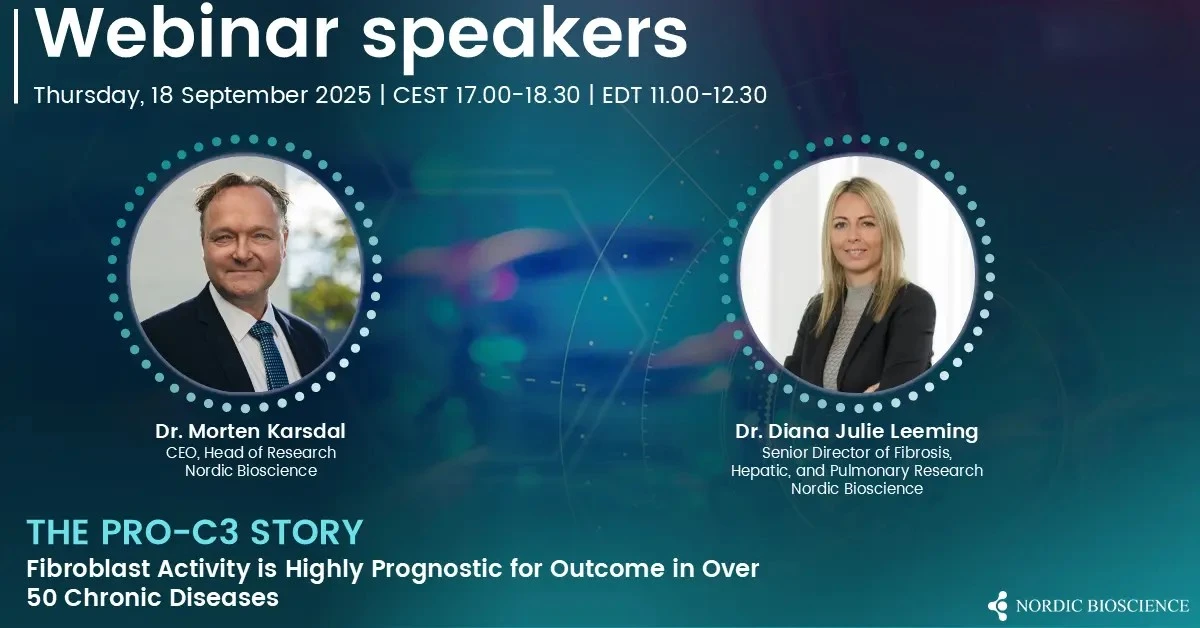
Fibroblast Activity is Highly Prognostic for Outcome in Over 50 Chronic Diseases
Overview
Fibroblast activity is a major cause of 35% of deaths in the Western world. Fibroblasts are key drivers of outcome in solid tumors as well as in fibrosis of the liver, lung, kidney, intestine, skin, and in heart failure. To alter the trajectory of organ failure and patient outcomes, we must quantify and change fibroblast activity.
One measure of fibroblast activity is PRO-C3, which was launched by Roche in May 2025 with a Context of Use (COU) as a diagnostic enrichment tool for liver fibrosis -a milestone in the field of biomarker discovery and development.
This webinar highlights the process of how an ELISA kit was advanced through CLSI validation into an RPA prototype assay with Roche, moving to IVD quality on the flagship 801 equipment, and gathering data for CE launch. At the same time, it was submitted to the FDA for: 1) a Letter of Intent, 2) qualification advice, and 3) a full qualification package under the LITMUS consortium.
This work resulted in an FDA Letter of Support—the first ever for a serological biomarker for the assessment of tumor fibrosis. This is a story of the work of hundreds of researchers and remarkable teamwork that would not have been possible without extraordinary stamina.
This webinar is a celebration of the PRO-C3 story and all the people involved. We highlight the best diagnostic, prognostic, and pharmacodynamic data, demonstrating how dangerous fibroblast activity is for patients, as well as the role of PRO-C3 in drug development across a range of indications where the extracellular matrix is a key component. From cellular mechanisms to serological assessment in patients—this is about how to quantify and control fibroblast activity.
Naturally, we also discuss weight-dependent and weight-independent approaches to modulating fibroblast activity, and the challenges and opportunities that follow.
The clinical burden of fibroblast activity in chronic diseases
Framing fibroblast biology as a therapeutic target
2. The PRO-C3 Biomarker
What PRO-C3 measures: Active fibrogenesis and fibroblast activity
Initial development and academic validation of the ELISA
Translating research use into regulated diagnostics
3. Roche Collaboration and Industrialization
Transitioning from ELISA to RPA prototype assay
Validation to IVD standard on Roche 801 platform
CLSI validation and CE marking process
4. Regulatory Milestones
FDA engagement: Letter of Intent, Qualification advice, Full qualification package (under LITMUS)
FDA Letter of Support: First for a serological tumor fibrosis biomarker
5. Clinical and Translational Applications
Diagnostic, prognostic, and pharmacodynamic performance across diseases
Use of PRO-C3 in liver fibrosis, tumor stroma, pulmonary and renal fibrosis
Patient stratification and trial enrichment strategies
6. Mechanistic Insights and Modulation Strategies
Fibroblast activity: Weight-dependent vs. weight-independent pathways
Implications for therapeutic intervention design
7. Lessons from the PRO-C3 Development Journey
Multi-disciplinary collaboration and sustained execution
Integrating biomarker science, regulatory strategy, and platform scaling
Opportunities for other biomarkers following a similar path
8. Q&A and Closing Remarks
Open discussion with Dr. Morten Karsdal and Dr. Diana J. Leeming
Final reflections on the future of fibroblast-targeted biomarker development
Speakers
Dr. Morten Karsdal
Dr. Morten Karsdal joined Nordic Bioscience in 2001 and became CEO in June 2010, leading the company to significant advancements in biomarker development and disease biology.
Dr. Karsdal is a KOL in extracellular matrix research, with more than 700 publication and an impressive H-factor of 100.
Dr. Karsdal is an honorary professor of inflammation research at the University of Southern Denmark, where he continues to supervise PhD students, fostering the next generation of researchers.
Dr. Karsdal chairs the Extracellular Matrix Pharmacology Congress, an important forum for advancing drug development by focusing on the extracellular matrix (ECM) as a key factor in most chronic diseases. He is renowned for his deep expertise in fibrosis, rheumatology (including rheumatoid arthritis and osteoarthritis), diabetes, and other chronic conditions, particularly in relation to ECM and biomarker research.
Dr. Karsdal has led the development of FDA-approved and supported molecular diagnostics, as well as more than 100 commercialized biomarker assays, including ELISA assays and high precision automated platforms.
He has extensive experience in clinical trial design and the clinical application of biochemical markers, often serving as a consultant to major pharmaceutical companies for the use of serological biomarkers in clinical trials.
In 2016, he and his research team authored the first edition of “Biochemistry of Collagens, Laminins and Elastin,” published by Elsevier Science. The book, now in its 3rd edition as of 2023, is a key resource on collagens and structural proteins, with a focus on their applications in chronic diseases.
Dr. Diana Julie Leeming
Dr. Diana Julie Leeming is the Senior Director of Fibrosis, Hepatic, and Pulmonary Research at Nordic Bioscience.
She joined Nordic Bioscience in 2004 and assumed the role of Director of Fibrosis in 2010, later being promoted to Senior Director in 2024.
Dr. Leeming focuses on developing serologically assessed markers to evaluate extracellular matrix remodeling in patients with pulmonary or hepatic fibrosis, aiding in diagnosis and pharmacodynamic evaluation.
She is a principal inventor of the PRO-C3 assay, a fibrogenesis marker utilized in multiple clinical trial studies.
Dr. Leeming has authored over 280 peer-reviewed publications, demonstrating her extensive contributions to the field.
Her H-index is 61, her I10-index is 174, and her research has garnered over 11,825 citations as of March 2024.
The webinar was organized exclusively by Nordic Bioscience.
Canstatin, a type IV collagen fragment, is associated with risk of cardiovascular and all-cause mortality in patients with advanced atherosclerosis
Introduction
Atherosclerosis, a common underlying cause of cardiovascular disease, is defined by the formation of plaques in the arterial walls. Changes in the ECM composition impact the risk for plaque rupture, which may cause acute complications (i.e. stroke or myocardial infarction (MI)). Type IV collagen is primarily known as a major component of basement membranes and has previously been reported to promote plaque stability. Canstatin is the non-collagenous C-terminal domain of type IV collagen alpha 2 chain. It is not only a by-product of proteolytic activity, but also a bioactive molecule. This study investigated if canstatin was associated with adverse outcomes in patients with advanced carotid atherosclerosis.
Higher circulating canstatin levels in patients undergoing carotid endarterectomy predicted cardiovascular mortality and all-cause mortality over 7.5 years. This suggests that canstatin is a potential novel tool for risk stratification in patients with advanced atherosclerosis, warranting further studies.
Get in touch
Are you interested in exploring collaboration possibilities? Enter your information in the form and a representative will contact you shortly.
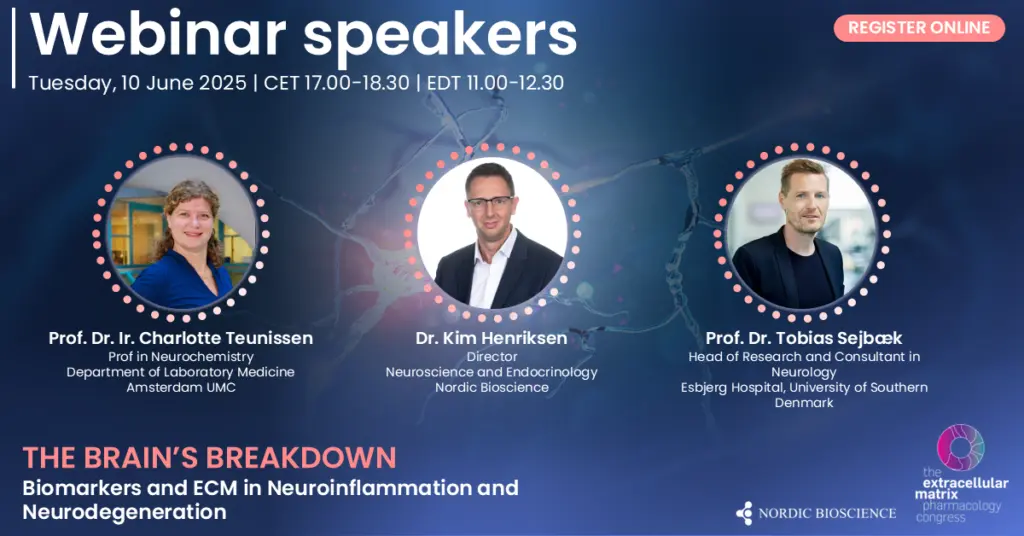
In this webinar we uncovered how the brain’s extracellular matrix (ECM) and emerging biomarkers are reshaping our understanding of neuroinflammation and neurodegeneration, with a focus on their role in disease mechanisms, diagnosis, and therapeutic innovation.
The brain is more than just neurons; it is a complex, finely tuned environment shaped by the extracellular matrix (ECM) and molecular signaling.
This webinar examines the structure and function of the brain ECM, emphasizing its influence on neural plasticity, signaling, and repair. After establishing a foundation in ECM biology, we will explore how this network interacts with disease mechanisms and why it has become a central focus in neuroscience.
Introductions and welcome to the webinar by moderator Dr. Signe Holm Nielsen
Fluid biomarkers for neurodegeneration and inflammation in neurological diseases– Prof. Dr. Ir. Charlotte Teunissen
Neuroinflammation, biomarkers and upcoming treatments in Multiple Sclerosis – Prof. Dr. Tobias Sejbæk
Should we target the Extracellular Matrix of the Brain in Drug discovery? – Dr. Kim Henriksen
Questions from the chat
Scientific Topics
A major topic will be the growing importance of biomarkers in neurodegenerative and neuroinflammatory disease research. Notably, phosphorylated tau at threonine 217 (pTau217) has emerged as a promising diagnostic marker for Alzheimer’s disease, representing a significant advance in early detection.
However, identifying equally robust and specific biomarkers for conditions such as Parkinson’s disease and multiple sclerosis remains challenging, with unresolved issues in diagnosis, prognosis, subtyping, and assessment of drug efficacy. The webinar will conclude by examining how insights into brain ECM dynamics and disease-specific molecular profiles can drive drug discovery and therapeutic innovation, offering new opportunities to develop targeted treatments and improve clinical outcomes.
Prof. Dr. Ir. Charlotte Teunissen
Prof. Dr. Ir. Charlotte Teunissen is a Full Professor of Neurochemistry dedicated to improving care for neurological disease patients through the development of body fluid biomarkers.
Her research spans the full biomarker development pipeline—from discovery to assay development, validation, and clinical implementation.
She leads the body fluid biomarker program at the Alzheimer Center Amsterdam, a key center for biomarker innovation in neurodegenerative diseases.
Prof. Teunissen’s work focuses on biomarkers for diagnosis, patient stratification, prognosis, and treatment monitoring in neurological conditions, particularly dementia.
She is an international leader in biomarker collaboration, serving as chair of the CSF Society and the Alzheimer’s Association Global Biomarker Standardization Consortium.
She recently co-founded the Coral proteomics consortium to advance proteomic approaches in biomarker research.
Prof. Teunissen coordinates the EU-funded Marie Curie MIRIADE project, training 15 early-stage researchers in dementia biomarker development.
Her team plays a critical role in translating biomarker research into clinical practice, with an emphasis on standardization and global accessibility.
She is recognized for fostering interdisciplinary and international collaborations to accelerate progress in neurodegenerative disease research.
Prof. Teunissen’s work is shaping the future of personalized neurology by enabling earlier diagnosis and more precise treatment of dementia and related disorders.
Dr. Kim Henriksen
Dr. Kim Henriksen is the Director of Endocrinology and Neuroscience at Nordic Bioscience, where he has worked since 2002 and assumed his current leadership role in 2018.
He leads a team of 15 scientists and technicians focused on developing novel biomarkers for neurodegenerative diseases, particularly blood-based tools for identifying individuals in need of treatment.
Dr. Henriksen’s research also targets the development of peptide therapies for metabolic diseases, including obesity, NASH, and type 2 diabetes.
He is a key inventor behind the DACRA peptide family, with the lead molecule currently in phase 2 clinical development.
His earlier work led to the patenting and advancement of two peptide families—KBPs and OXMs—now progressing toward clinical use.
Dr. Henriksen has authored nearly 200 peer-reviewed publications.
He has an H-index of 65, i10-index of 158, and over 11,985 citations as of August 2024.
His translational research bridges biomarker science and therapeutic innovation in both endocrinology and neuroscience.
Dr. Henriksen is widely recognized for his contributions to precision medicine in metabolic and neurodegenerative disorders.
He continues to drive Nordic Bioscience’s strategy in peptide drug development and biomarker discovery for complex chronic diseases.
Prof. Dr. Tobias Sejbæk
Dr. Tobias Sejbæk is Head of Research and Consultant in Neurology at Esbjerg Hospital, affiliated with the University of Southern Denmark.
He joined the University of Southern Denmark in 2011 and became Head of Research in 2019.
Dr. Sejbæk is a leading figure in clinical neurology, particularly in the field of multiple sclerosis (MS).
He serves as the national Principal Investigator for major MS clinical trials, including FENHANCE, GEMINI, HERCULES, and PERSEUS.
He has authored nearly 65 peer-reviewed publications and holds an H-index of 15.
Dr. Sejbæk has received multiple awards for his clinical trial presentations and contributions to advancing MS treatment.
He is a board member of the Danish Neurological Association, reflecting his national leadership in the neurology community.
His research focuses on translating clinical data into improved treatment strategies for neurological diseases.
He actively promotes evidence-based neurology and is committed to integrating new therapies into clinical practice.
Dr. Sejbæk continues to lead high-impact research and clinical initiatives that shape the future of MS care in Denmark and beyond.
Get in touch
Are you interested in exploring collaboration possibilities? Enter your information in the form and a representative will contact you shortly.
Multiple sclerosis (MS) is characterized as an inflammatory neurodegenerative disease in the central nervous system (CNS), presenting with significant inter- and intra individual heterogeneity. The pathological hallmarks of active MS lesions are blood brain barrier (BBB) disruption, inflammation, and demyelination with axonal damage. Blood-based biomarkers reflecting tissue changes in immunology and/or neurobiology may reflect MS pathology and be easily accessible.
Type IV collagen biomarkers in Multiple Sclerosis
In our latest publication in “Multiple Sclerosis and Related Disorders”, we introduce nordicCANTM, a technically robust assay, which targets a fragment of the α2 chain of type IV collagen to detect canstatin (CAN) in human serum. This was evaluated as a biomarker for MS together with other type IV collagen biomarkers, and the results showed TUM to be an excellent diagnostic biomarker in MS, while CAN and PROC4 were both acceptable diagnostic biomarkers.
To our knowledge, this is the first study to quantify fragments of type IV collagen in serum from patients with MS, and such biomarkers may be used to assess patients’ eligibility for targeted treatments and fill a part of the gap for biomarkers in clinical management and trials.
Article:Investigation of type IV collagen biomarkers in multiple sclerosis