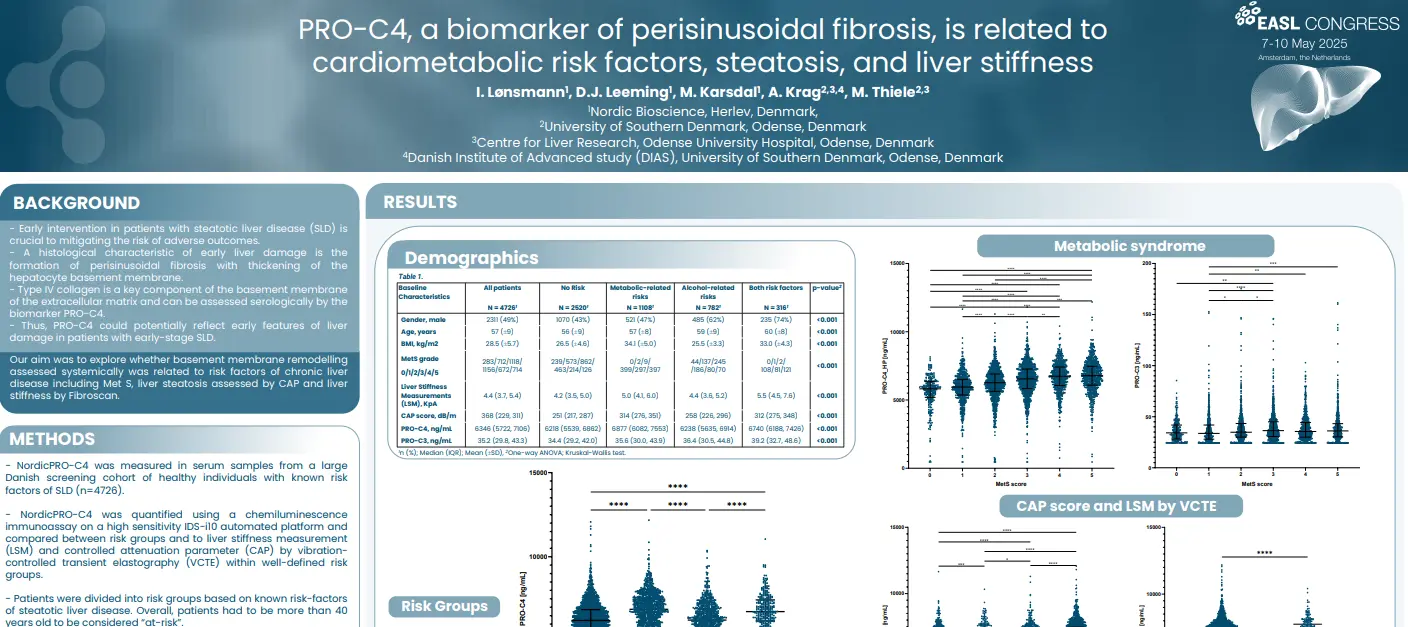
PRO-C4, a biomarker of perisinusoidal fibrosis, is related to cardiometabolic risk factors, steatosis, and liver stiffness
Introduction
A histological characteristic of early liver damage is the formation of perisinusoidal fibrosis with thickening of the hepatocyte basement membrane. Type IV collagen is a key component of the basement membrane of the extracellular matrix and can be assessed serologically by the biomarker PRO-C4. Thus, PRO-C4 could potentially reflect early features of liver damage in patients with early-stage SLD.
In this study we aimed to explore whether basement membrane remodeling assessed systemically was related to risk factors of chronic liver disease including Met S, liver steatosis assessed by CAP and liver stiffness by Fibroscan.
Elevated PRO-C4 is associated with presence of cardiometabolic risk factors and LSM>8kpa. PRO-C4 potentially reflects perisinusoidal fibrosis from early liver damage and repair due to its relation to increasing degree of steatosis. Furthermore, PRO-C4 was also related to elevated liver stiffness in a population at risk of SLD.
Get in touch
Are you interested in exploring collaboration possibilities? Enter your information in the form and a representative will contact you shortly.
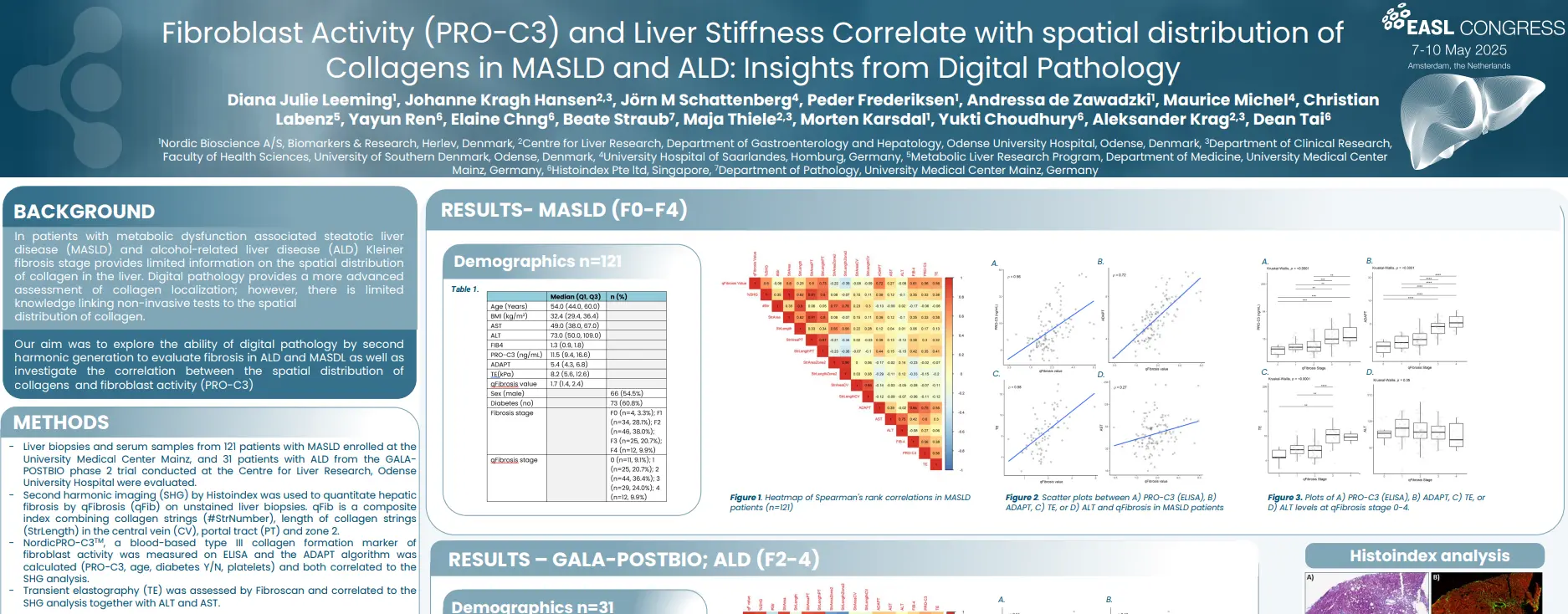
Fibroblast Activity (PRO-C3) and Liver Stiffness Correlate with spatial distribution of Collagens in MASLD and ALD: Insights from Digital Pathology
Introduction
In patients with metabolic dysfunction associated steatotic liver disease (MASLD) and alcohol-related liver disease (ALD) Kleiner fibrosis stage provides limited information on the spatial distribution of collagen in the liver. Digital pathology provides a more advanced assessment of collagen localization; however, there is limited knowledge linking non-invasive tests to the spatial distribution of collagen.
In this study we aimed to explore the ability of digital pathology by second harmonic generation to evaluate fibrosis in ALD and MASDL as well as investigate the correlation between the spatial distribution of collagens and fibroblast activity (nordicPRO-C3™).
Correlations between spatial distribution of collagens and systemically assessed active fibrogenesis and liver stiffness in both MASLD and ALD. While similarities and differences were observed. The correlations were potentially influenced by etiology however also sample size. In conclusion, these findings underscore the connection between biopsy-based digital pathology assessments and non-invasive tests for liver fibrosis.
Get in touch
Are you interested in exploring collaboration possibilities? Enter your information in the form and a representative will contact you shortly.
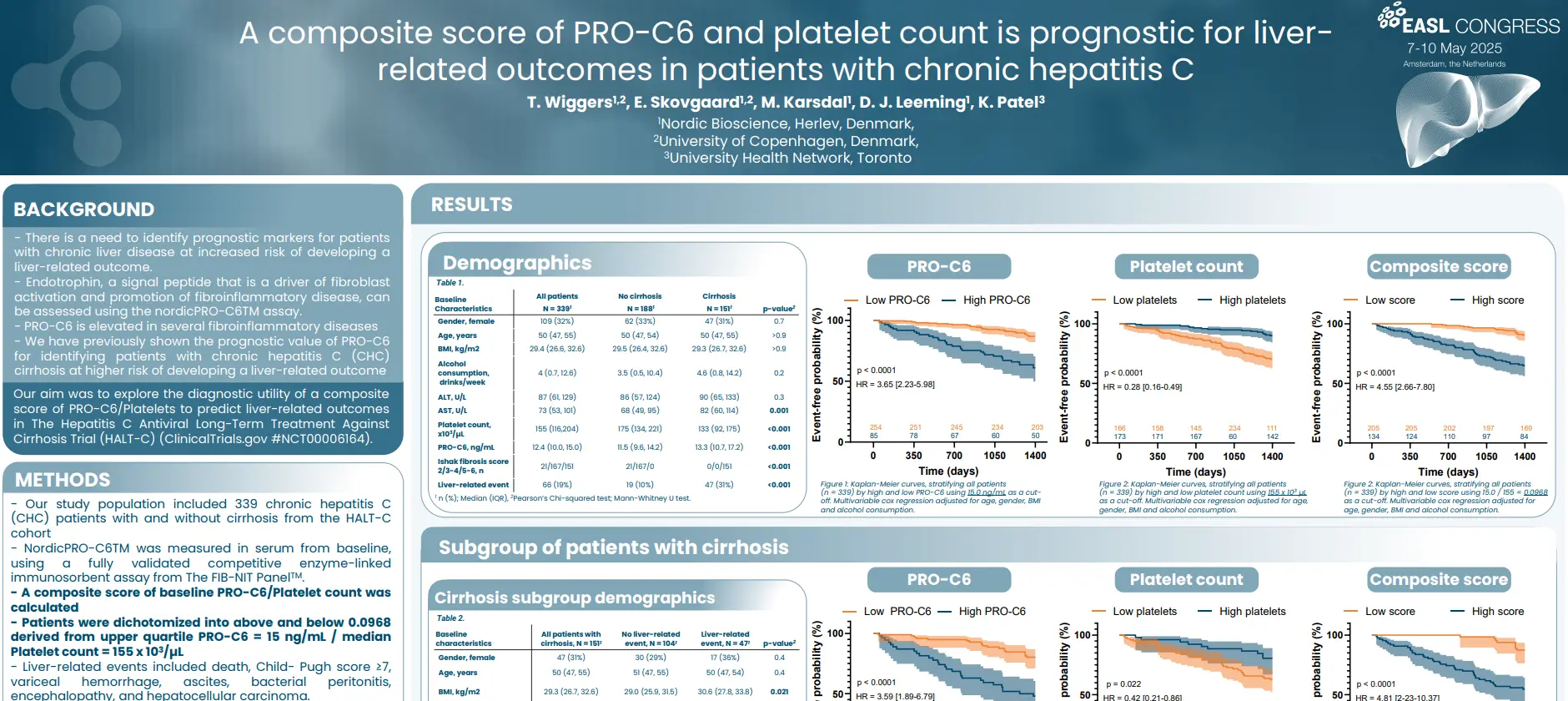
A composite score of PRO-C6 and platelet count is prognostic for liver-related outcomes in patients with chronic hepatitis C
Introduction
There is a need to identify prognostic markers for patients with chronic liver disease at increased risk of developing a liver-related outcome. NordicEndotrophin™, a signal peptide that is a driver of fibroblast activation and promotion of fibroinflammatory disease, can be assessed using the nordicPRO-C6™ assay. Our aim was to explore the diagnostic utility of a composite score of nordicPRO-C6™/Platelets to predict liver-related outcomes in The Hepatitis C Antiviral Long-Term Treatment Against Cirrhosis Trial (HALT-C).
A composite score combining nordicPRO-C6™ and platelet count has been shown to improve the prognosis of liver-related outcomes in patients with chronic hepatitis C (CHC) cirrhosis compared to nordicPRO-C6™ or platelet count alone. Notably, among CHC patients with cirrhosis, those classified in the low-score group experienced no liver-related outcomes for more than two years. This nordicPRO-C6™/platelet count composite score may therefore offer a more effective tool for risk stratification in CHC patients with advanced liver disease. However, further validation is needed to confirm its prognostic value in CHC patients following sustained virologic response (SVR), as well as in individuals with other forms of advanced-stage chronic liver disease.
Get in touch
Are you interested in exploring collaboration possibilities? Enter your information in the form and a representative will contact you shortly.
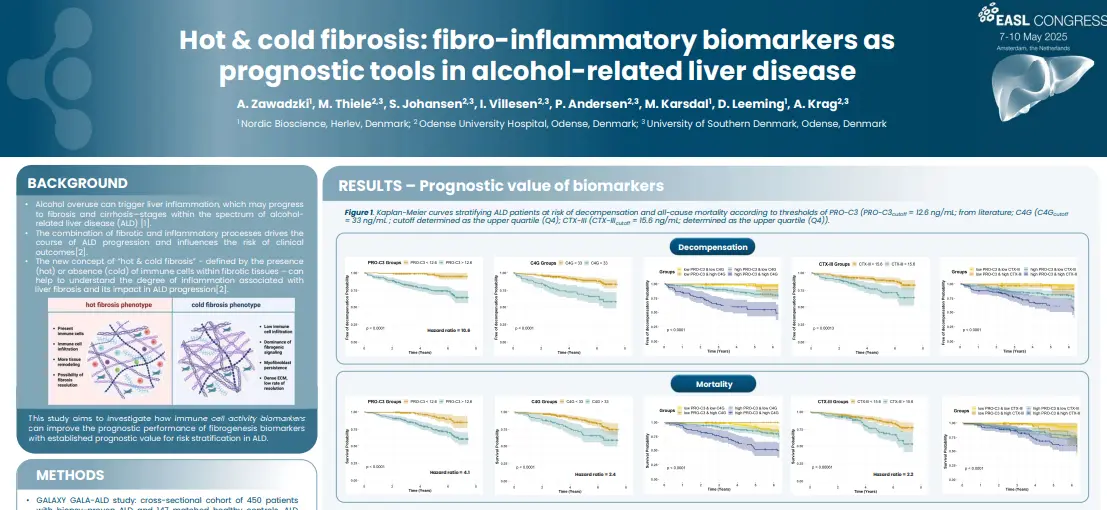
Hot & cold fibrosis: fibro-inflammatory biomarkers as prognostic tools in alcohol-related liver disease
Introduction
Alcohol overuse can trigger liver inflammation, which may progress to fibrosis and cirrhosis—stages within the spectrum of alcohol-related liver disease (ALD). The combination of fibrotic and inflammatory processes drives the course of ALD progression and influences the risk of clinical outcomes. The new concept of “hot & cold fibrosis” – defined by the presence (hot) or absence (cold) of immune cells within fibrotic tissues – can help to understand the degree of inflammation associated with liver fibrosis and its impact in ALD progression.
This study aims to investigate how immune cell activity biomarkers can improve the prognostic performance of fibrogenesis biomarkers with established prognostic value for risk stratification in ALD.
ALD patients at higher risk of clinical outcomes are characterized by increased fibrogenesis and increased inflammation. Combining biomarkers reflecting different biological processes improved the prognostic performance of individual biomarkers and may aid in selecting personalized treatment based on distinct patient profiles.
Get in touch
Are you interested in exploring collaboration possibilities? Enter your information in the form and a representative will contact you shortly.
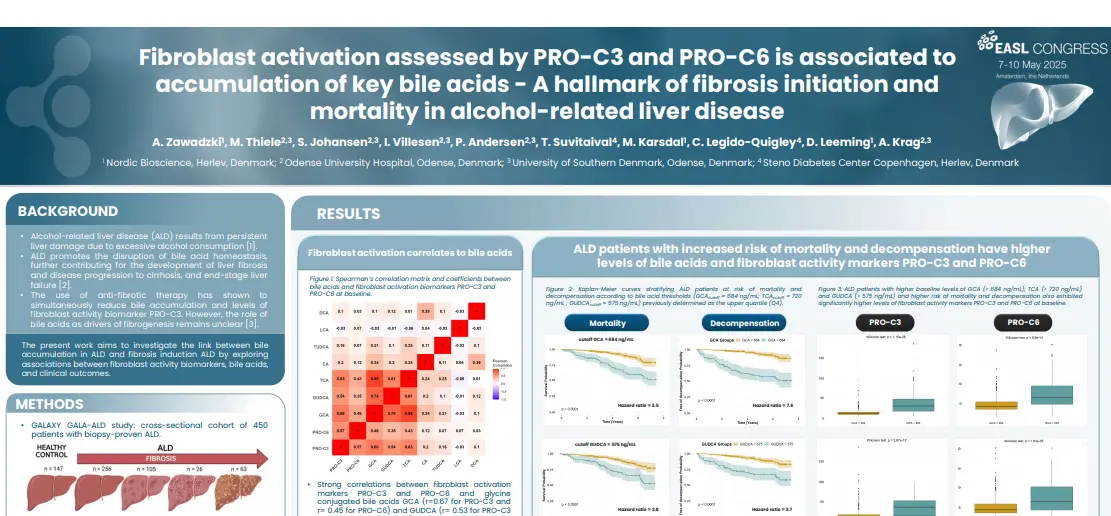
Fibroblast activation assessed by PRO-C3 and PRO-C6 is associated to accumulation of key bile acids – A hallmark of fibrosis initiation and mortality in alcohol-related liver disease
Introduction
Alcohol-related liver disease (ALD) results from persistent liver damage due to excessive alcohol consumption. ALD promotes the disruption of bile acid homeostasis, further contributing for the development of liver fibrosis and disease progression to cirrhosis, and end-stage liver failure.
The use of anti-fibrotic therapy has shown to simultaneously reduce bile accumulation and levels of fibroblast activity biomarker nordicPRO-C3™. However, the role of bile acids as drivers of fibrogenesis remains unclear. The present work aims to investigate the link between bile accumulation in ALD and fibrosis induction ALD by exploring associations between fibroblast activity biomarkers, bile acids, and clinical outcomes.
Increased circulating levels of toxic bile acids are associated to fibroblast activation and poor prognosis in ALD. The data presented suggests that bile acids are linked to activation of fibrogenesis and, therefore, may induce the development of liver fibrosis in ALD.
Get in touch
Are you interested in exploring collaboration possibilities? Enter your information in the form and a representative will contact you shortly.
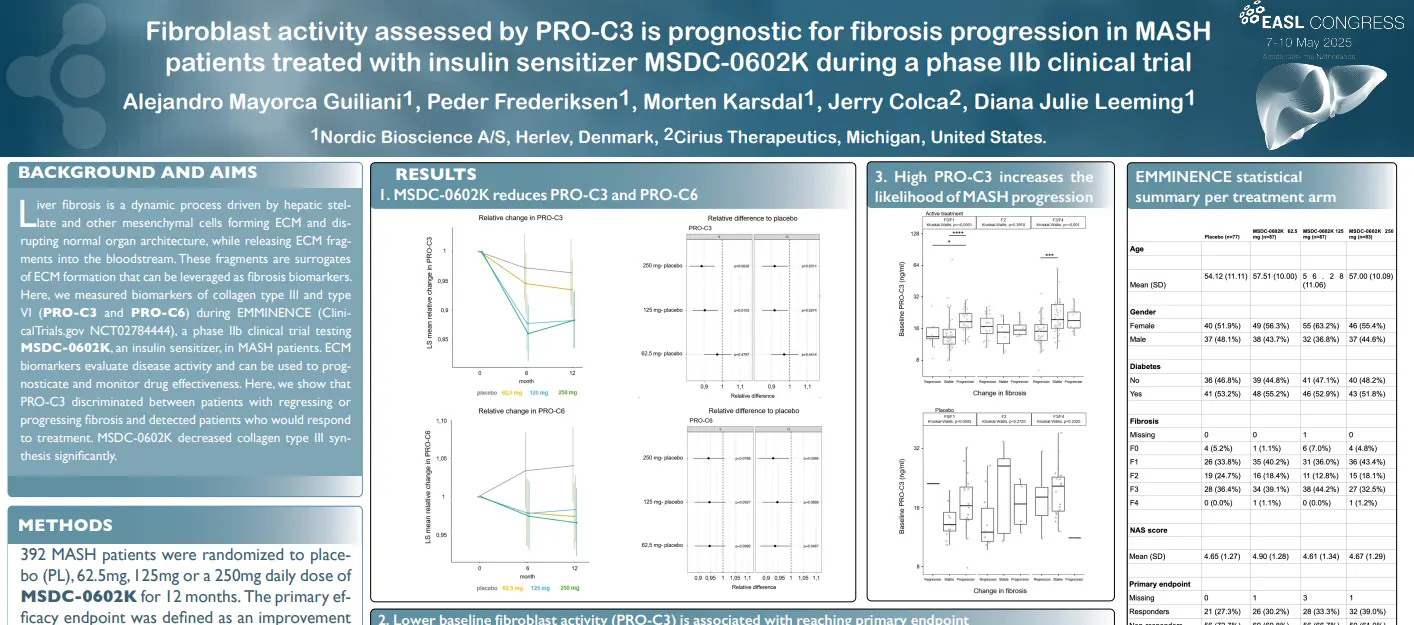
Fibroblast activity assessed by PRO-C3 is prognostic for fibrosis progression in MASH patients treated with insulin sensitizer MSDC-0602K during a phase IIb clinical trial
Introduction
Liver fibrosis is a dynamic process driven by hepatic stellate and other mesenchymal cells forming ECM and disrupting normal organ architecture, while releasing ECM fragments into the bloodstream. These fragments are surrogates of ECM formation that can be leveraged as fibrosis biomarkers. In this study, we measured biomarkers of collagen type III and type VI (nordicPRO-C3™ and nordicPRO-C6™) during EMMINENCE, a phase IIb clinical trial testing MSDC-0602K, an insulin sensitizer in MASH patients.
Lower fibroblast activity (nordicPRO-C3™) at baseline was associated with achieving primary endpoint as well as fibrosis regression, while higher baseline nordicPRO-C3™ was associated with fibrosis progression. MSDC-0602K significantly reduced nordicPRO-C3™ and nordicPRO-C6™, suggesting an anti-fibrotic and pro-metabolic effect. NordicPRO-C3™ can identify MASH patients who are likely to respond to treatment and prognosticate their evolution.
Get in touch
Are you interested in exploring collaboration possibilities? Enter your information in the form and a representative will contact you shortly.
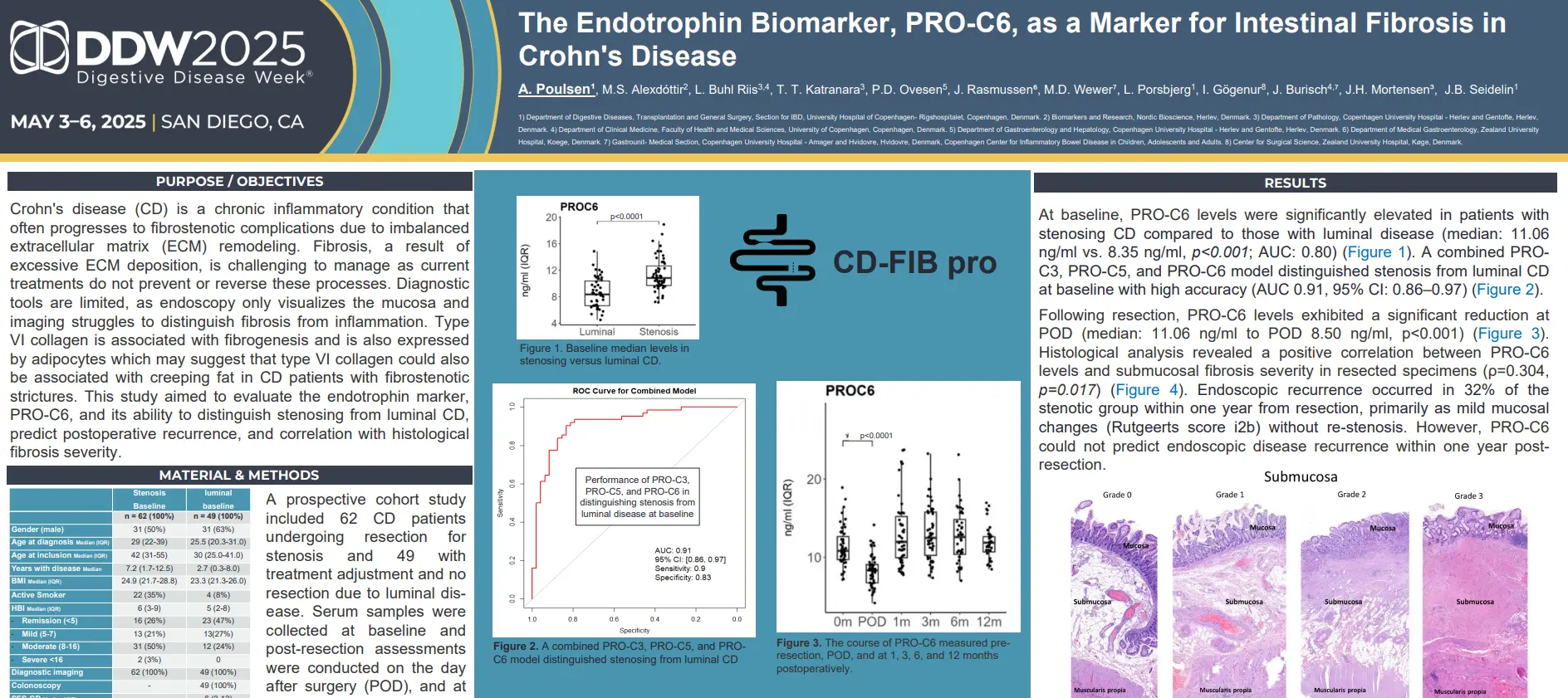
Crohn’s disease (CD) is a chronic inflammatory condition that often progresses to fibrostenotic complications due to imbalanced extracellular matrix (ECM) remodeling. Fibrosis, a result of excessive ECM deposition, is challenging to manage as current treatments do not prevent or reverse these processes. Diagnostic tools are limited, as endoscopy only visualizes the mucosa and imaging struggles to distinguish fibrosis from inflammation. Type VI collagen is associated with fibrogenesis and is also expressed by adipocytes which may suggest that type VI collagen could also be associated with creeping fat in CD patients with fibrostenotic structures.
This study aimed to evaluate the endotrophin marker, nordicPRO-C6™, and its ability to distinguish stenosing from luminal CD, predict postoperative recurrence, and correlation with histological fibrosis severity.
NordicPRO-C6™ as an ECM marker demonstrated potential in characterizing fibrosis in CD and distinguishing stenosing from luminal phenotype. Evidence from tissue samples suggested that increased collagen VI gene expression was associated with the development of complicated disease featuring strictures. NordicPRO-C6™ levels decreased following resection but returned to baseline by 3 months, which may indicate a risk of recurrent fibrosis formation. These findings highlight nordicPRO-C6™ as a promising non-invasive tool for monitoring disease stage and fibrosis. Extended follow-up studies are crucial to validate the clinical utility of nordicPRO-C6™ and to further explore its role in guiding personalized treatment strategies.
Get in touch
Are you interested in exploring collaboration possibilities? Enter your information in the form and a representative will contact you shortly.
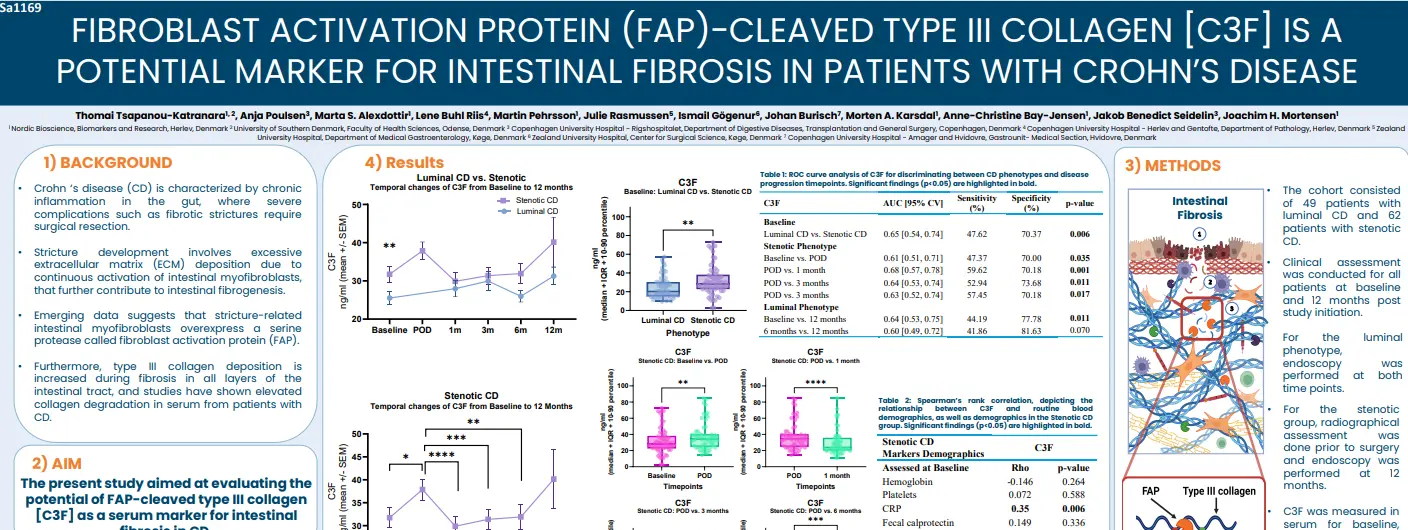
Fibroblast activation protein (FAP)- cleaved type III collagen (C3F) is a potential marker for intestinal fibrosis in patients with Crohn’s disease
Introduction
Crohn ‘s disease (CD) is characterized by chronic inflammation in the gut, where severe complications such as fibrotic strictures require surgical resection. Stricture development involves excessive extracellular matrix (ECM) deposition due to continuous activation of intestinal myofibroblasts, that further contribute to intestinal fibrogenesis. Emerging data suggests that stricture-related intestinal myofibroblasts overexpress a serine protease called fibroblast activation protein (FAP). Furthermore, type III collagen deposition is increased during fibrosis in all layers of the intestinal tract, and studies have shown elevated collagen degradation in serum from patients with CD.
In this study we aimed to evaluate the potential of FAP-cleaved type III collagen (C3F) as a serum marker for intestinal fibrosis in CD.
C3F levels are elevated in patients with stenotic Crohn’s disease (CD) compared to those with luminal CD at baseline. In the stenotic group, C3F levels rise further following surgical resection compared to baseline, 1 month, 3 months, and 6 months post-surgery, suggesting that C3F reflects fibroblast activity during fibrostenosis and tissue remodeling following surgery. While C3F demonstrates only modest discriminatory ability across comparisons (AUC 0.65–0.69), its positive correlation with CRP supports an association with inflammation leading to collagen deposition and fibrosis in stenotic CD. Additionally, a negative correlation with disease duration suggests that C3F may reflect fibrosis at earlier stages of the disease.
In luminal CD patients, C3F levels were significantly higher at 12 months than at baseline and 6 months. Moreover, early C3F levels (baseline, 3 months, and 6 months) were significantly associated with ileal stenosis observed at 12 months, suggesting that elevated C3F may predict future endoscopic disease activity or potential relapse. Overall, these findings underscore the potential of C3F as a novel biomarker for intestinal fibrosis in Crohn’s disease.
Get in touch
Are you interested in exploring collaboration possibilities? Enter your information in the form and a representative will contact you shortly.
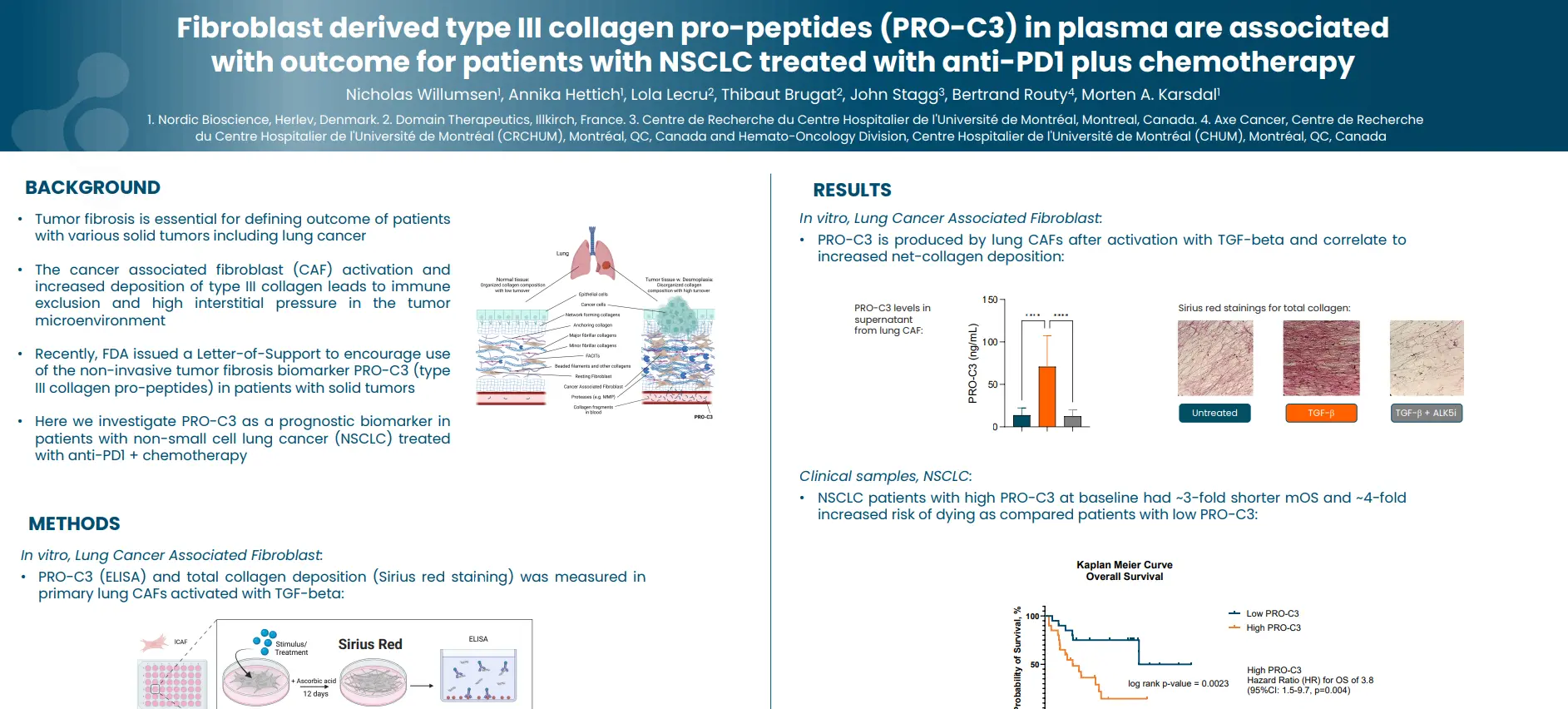
Fibroblast derived type III collagen pro-peptides (PRO-C3) in plasma are associated with outcome for patients with NSCLC treated with anti-PD1 plus chemotherapy
Introduction
Tumor fibrosis is essential for defining outcome of patients with various solid tumors including lung cancer. The cancer associated fibroblast (CAF) activation and increased deposition of type III collagen leads to immune exclusion and high interstitial pressure in the tumor microenvironment. Recently, FDA issued a Letter-of-Support to encourage use of the non-invasive tumor fibrosis biomarker nordicPRO-C3™ (type III collagen pro-peptides) in patients with solid tumors.
In thi study we investigate nordicPRO-C3™ as a prognostic biomarker in patients with non-small cell lung cancer (NSCLC) treated with anti-PD1 + chemotherapy.
Type III collagen pro-peptides (nordicPRO-C3™) is produced by activated lung CAFs and is a surrogate of fibrogenesis. High nordicPRO-C3™ levels in pre-treatment plasma associate with poor outcome for patients with NSCLC treated with anti-PD1 plus chemotherapy. These findings suggest that quantifying tumor fibrosis is important for prognostication of patients with lung cancer.
Get in touch
Are you interested in exploring collaboration possibilities? Enter your information in the form and a representative will contact you shortly.
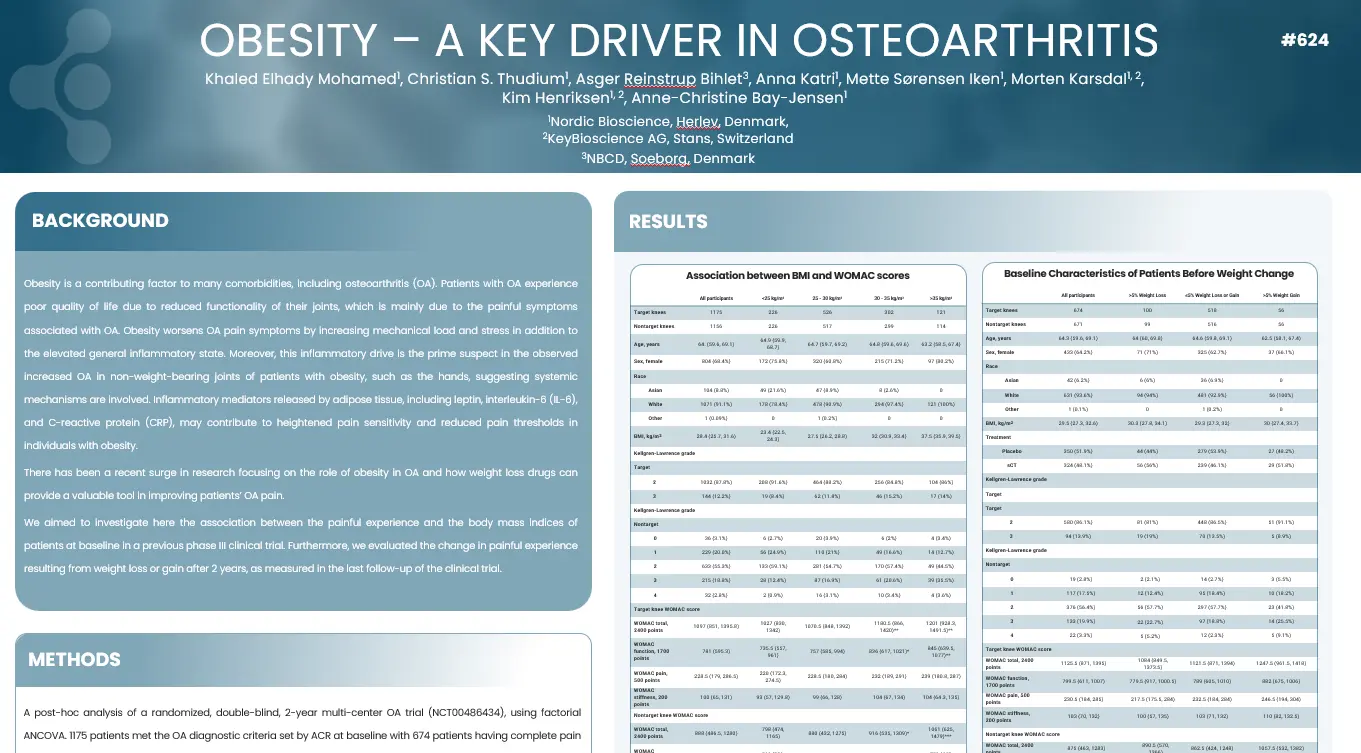
Obesity contributes to several comorbidities, including osteoarthritis (OA), which lowers quality of life due to joint pain and reduced function. Obesity worsens OA symptoms by increasing mechanical load and stress in addition to the elevated general inflammatory state. Moreover, this inflammatory drive is the prime suspect in the observed increased OA in non-weight-bearing joints of patients with obesity, such as the hands, suggesting systemic mechanisms are involved. Inflammatory mediators released by adipose tissue, including leptin, interleukin-6 (IL-6), and C-reactive protein (CRP), may contribute to heightened pain sensitivity and reduced pain thresholds in individuals with obesity.
In this study we aimed to investigate the association between the painful experience and the body mass indices of patients at baseline in a previous phase III clinical trial. Furthermore, we evaluated the change in painful experience resulting from weight loss or gain after 2 years, as measured in the last follow-up of the clinical trial.
These studies indicate that increased body weight is associated with increased OA pain which is further confirmed by reduce patient-reported obesity-related OA pain upon undergoing weight loss.
Get in touch
Are you interested in exploring collaboration possibilities? Enter your information in the form and a representative will contact you shortly.