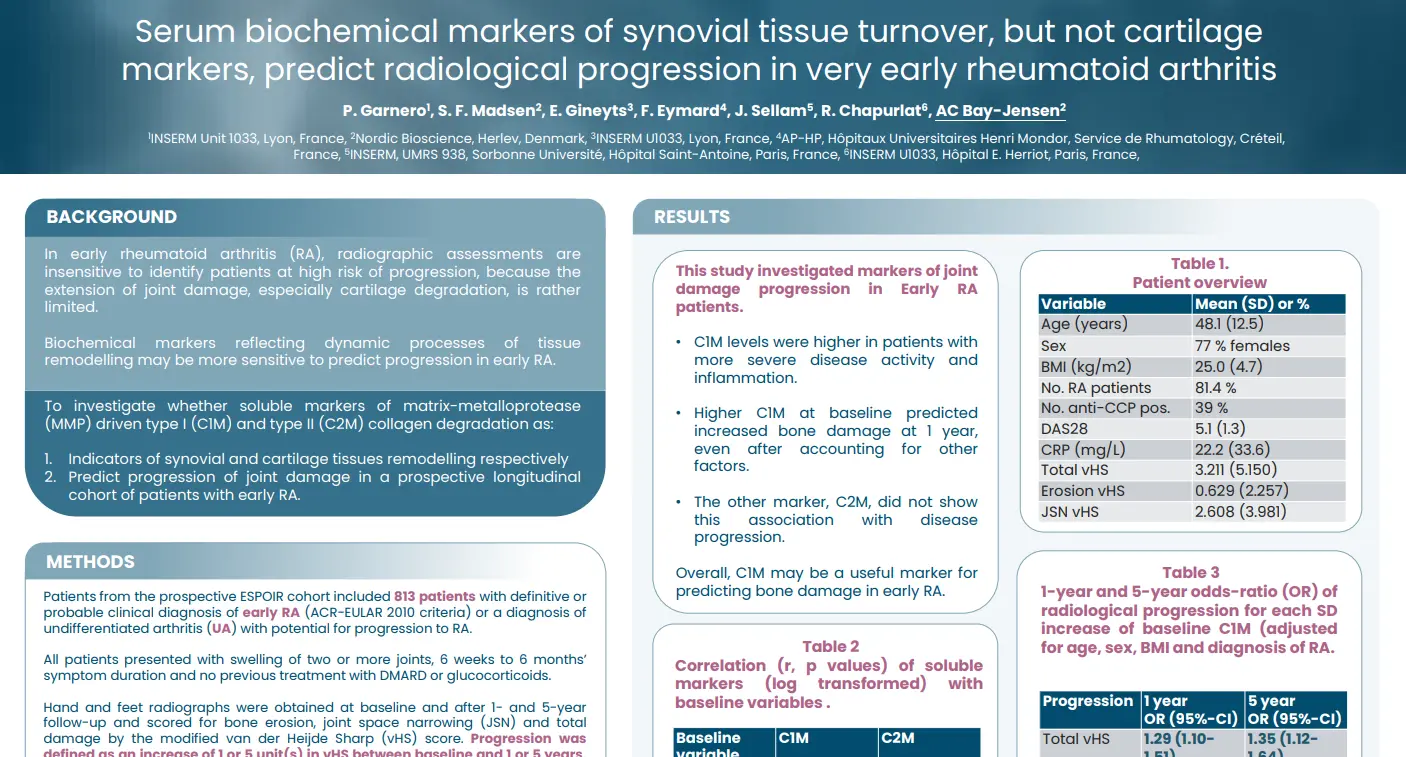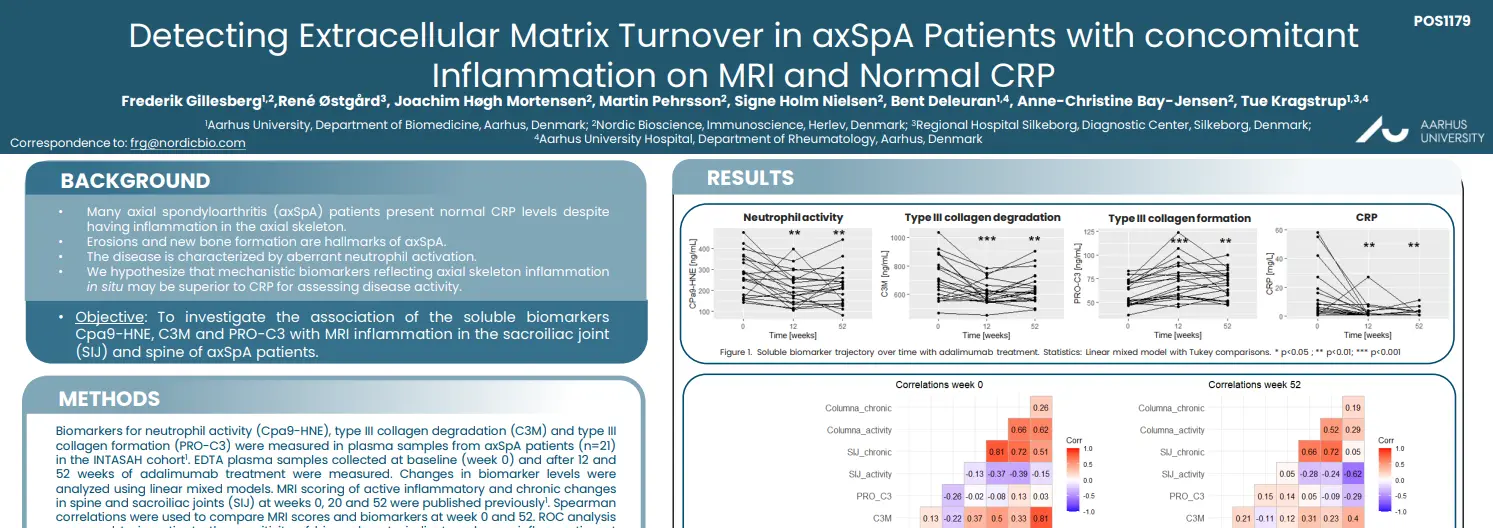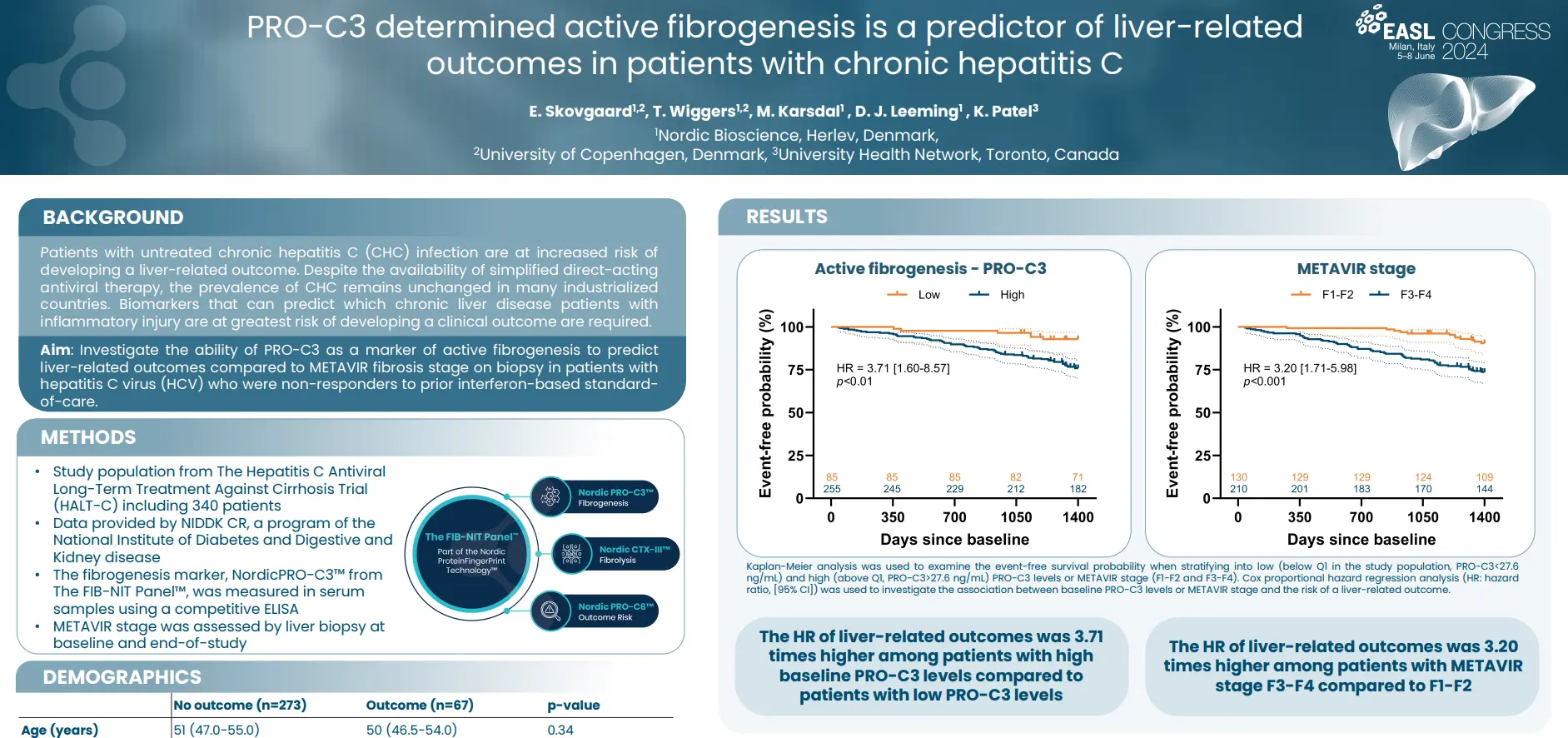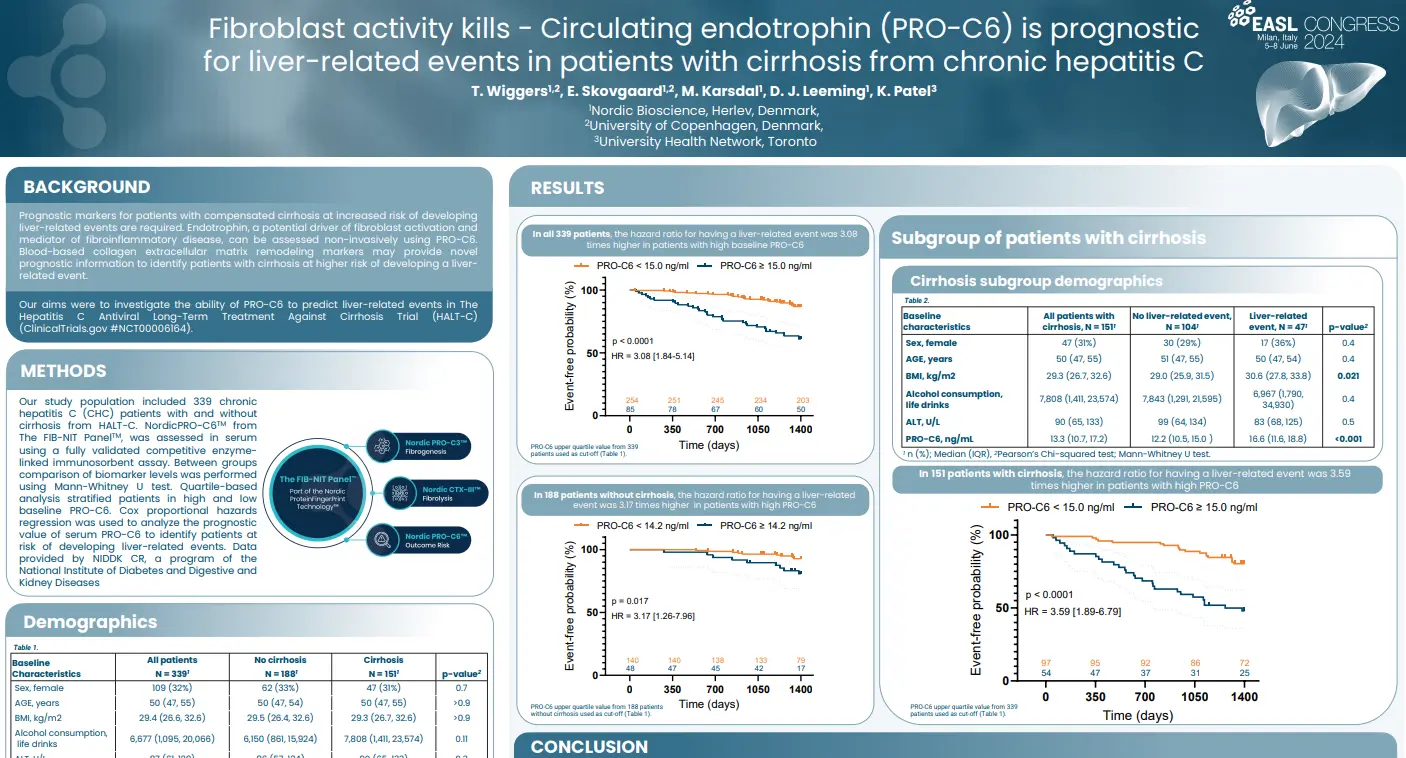
Drug development in the osteoarthritis (OA) field has proven extremely difficult, with a discordance between joint structure and pain. Weight loss has been associated with an effect on pain and function. Several molecular endotypes have been suggested for OA, which could be treatable, such as bone, inflammation, and lately, an overweight endotype.
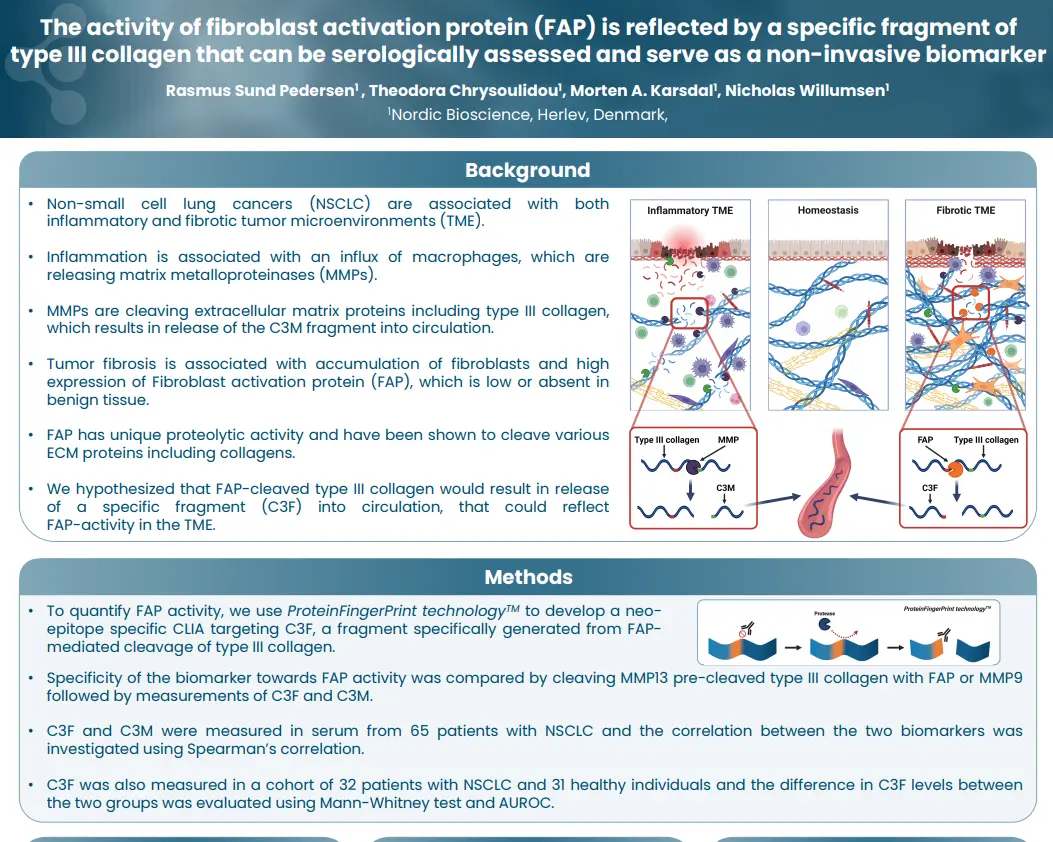
The aim was to investigate the relationship between obesity, weight loss and patient-reported outcomes (PROs) in patients with persistent pain, and the effect on joint and bone tissue related soluble biomarkers.
Changes in PROs were significantly associated with obesity. Weight loss was associated with an increase in bone and cartilage degradation, as well as lowering in the interstitial matrix degradation. These data indicate that weight loss comes with a risk of increased joint tissue loss, but improvement in tissue inflammation.
Get in touch
Are you interested in exploring collaboration possibilities? Enter your information in the form and a representative will contact you shortly.
Regulatory enablement of molecular endotypes for drug development. Definition of the context of use (COU) and molecular endotype which most urgently will assist in drug development: Stakeholder alignment under the Clinical Trial Symposium (CTS) & OARSI umbrella
Introduction
For a biomarker to be considered in therapeutic development, it must navigate various approval pathways. In the US, acceptance for single therapeutic trials is via IND, NDA, and BLA submissions, while for multiple drug development programs, it’s through the Biomarker Qualification Program. This program specifically evaluates the biomarker itself, not the measurement method.
Alternatively, in the US, a biomarker test can be approved by CDRH, leading to a legally marketable In-Vitro Diagnostic (IVD). The De Novo classification offers a pathway for novel medical devices, based on risk classification. Additionally, the 510(k) submission demonstrates equivalence to predicate devices, while PMA evaluates Class III device safety and efficacy. In the EU, approval is through CE marking, aligning with US FDA pathways.
A biomarker for general drug development can be qualified by CDER through the Biomarker Qualification Program, resulting in a tool usable under specific COUs. This process involves collaborative efforts with regulatory agencies and stakeholders, often in consortia, to streamline qualification. Monitoring biomarkers play a pivotal role in medical product development, furnishing tangible evidence of treatment impact, while predictive biomarkers serve to mitigate trial risks and minimize failures by pinpointing responsive patient subgroups.
Defining the Context of Use (COU) within real-world or clinical study populations is essential for biomarker development. Following CLSI guidelines ensures technical robustness, while careful risk-benefit evaluation supports clinical relevance. The regulatory enablement of molecular endotypes is essential for drug development.
Get in touch
Are you interested in exploring collaboration possibilities? Enter your information in the form and a representative will contact you shortly.
Evaluation of biomarkers in patients with potential periprosthetic joint infections after hip and knee arthroplasty
Introduction
The number of total joint replacements performed each year to treat pain related to end stage knee osteoarthritis (OA) has steadily increased in the last decade. Despite overall efficacy in the majority of patients, a subset of about 20% experience prosthetic complications in the short or in the long run, most often due to aseptic failure or prosthetic joint infection. Accurate diagnosis is therefore crucial. Biomarkers of tissue remodeling are promising diagnostic tools to characterize joint pathological mechanisms, provide a better understanding of how prosthetic complications affect the tissue remodeling to improve diagnosis and intervention
This study aimed to investigate the relationship between joint tissue remodeling and inflammation biomarkers with diagnosis in patients with hip or knee prosthetic joint complications, as well as to assess the effect of joint corrective surgery on acute and long-term biomarker levels.
Get in touch
Are you interested in exploring collaboration possibilities? Enter your information in the form and a representative will contact you shortly.
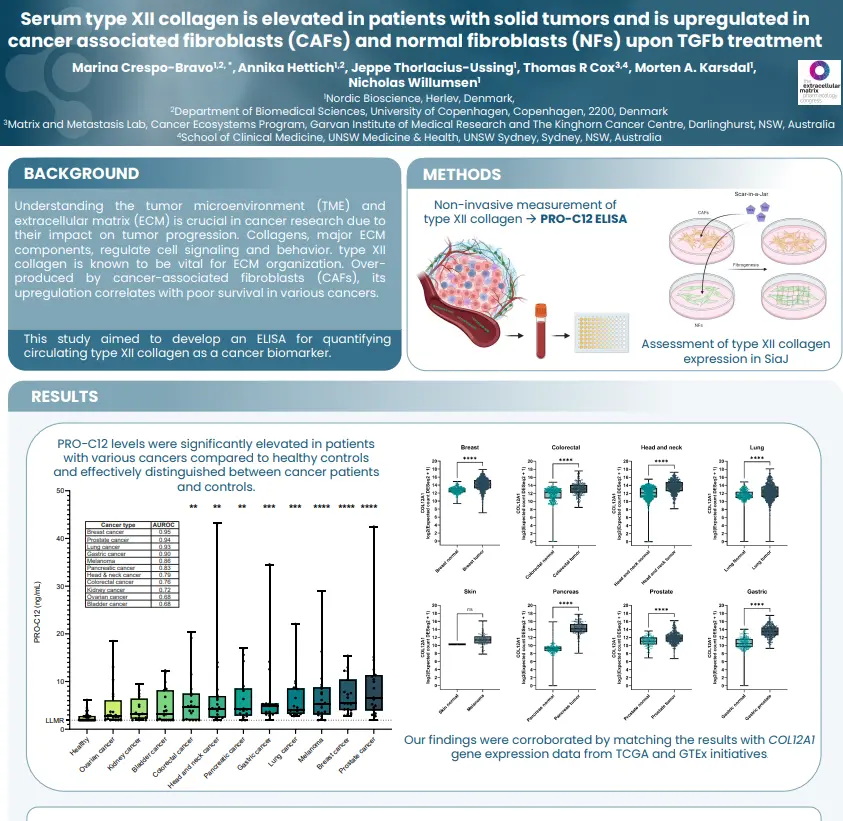
Cartilage oligomeric matrix protein (COMP) is an extracellular matrix (ECM) glycoprotein, consisting of five identical chains. It plays a crucial role in maintaining ECM integrity, facilitating collagen fibrils formation, and regulating cell phenotypes and functions. It is primarily found in human skeleton system, also present in adipose tissue, heart etc. Osteoarthritis (OA) involves increased activity of matrix-degrading enzymes, leading to the fragmentation of ECM.
In this study, we developed a high-sensitive chemiluminescence immunoassay for quantifying a neoepitope of COMP (DACGMQQS77↓)and explored its application as a biomarker of OA.
Proteolytic degradation of BigH3 can be quantified non-invasively in serum with biomarker potential for patients with non-small cell lung cancer
Introduction
Transforming growth factor beta induced protein ig-h3 (BigH3/TGFBI) is widely expressed and is participating in various biological processes including adhesion, migration, and angiogenesis. BigH3 is known to bind multiple collagens and are often embedded in the matrix where it seems to function as a linker between ECM and cell surfaces. In non-small cell lung cancer (NSCLC), the increased proteolytic activity found may degrade BigH3, disrupting its ECM interactions and generating peptide fragments that could potentially serve as novel non-invasive biomarkers if released into circulation.
Our aim is to develop a tool to quantify degraded BigH3 non-invasively and explore its potential as a biomarker in NSCLC.
Degradation of BIGH3 can be reflected by non-invasive quantification of the cleaved fragment of BigH3, BigH3M-N, in serum. This suggests BigH3M-N as a promising biomarker in NSCLC with potential for discriminating between subtypes. However, as BigH3M-N is connected to fibroblast matrix biology, the optimal use for this biomarker might be in combination with other ECM biomarkers.
Get in touch
Are you interested in exploring collaboration possibilities? Enter your information in the form and a representative will contact you shortly.
Tissue-derived peripheral biomarkers that reflect activity of T-cells, macrophages, and neutrophils in patients with solid tumors
Introduction
By identifying and quantifying specific extracellular protein fragments with neo-epitopes that are generated by proteolytic cleavage and post-translational modifications specific for T-cells, neutrophils and macrophages, respectively, it is possible to develop peripheral biomarkers that reflect the activity of these immune cells.
Tissue-derived peripheral biomarkers that reflect the activity of T-cells (C4G), macrophages (VICM) and neutrophils (nordicCPa9-HNE™) has biomarker potential in solid tumors and may serve as prognostic, predictive and pharmacodynamic biomarkers in clinical trials investigating cancer immunotherapy.
Get in touch
Are you interested in exploring collaboration possibilities? Enter your information in the form and a representative will contact you shortly.
Serological assessment of cancer associated myo-fibroblast (myCAF) activity by collagen pro-peptide biomarkers provides high prognostic power
Introduction
Myofibroblast Cancer Associated Fibroblasts (myCAFs) are the main tumor fibrosis drivers and hence different from inflammatory CAFs (iCAFs). CAFs produce type III, V, VI and XI collagen that are the essential components of tumor fibrosis. Pro-peptides of these collagens can be quantified both in serum with the nordicPRO-C3™, PRO-C5, nordicPRO-C6™ and PRO-C11 biomarkers where they are prognostic for poor overall survival in patients with various solid tumor types and may be applied in vitro.
In this study we investigated the association and difference between myCAFs and iCAFs and their collagen expression profile and related that to data available data on serological assessments of nordicPRO-C3™, PRO-C5, nordicPRO-C6™ and PRO-C11, and cultured CAFs.
Profiling collagen expression in fibroblast from PDAC and NSCLC reveals that type V collagen and type XI collagen are found in myCAF. Biomarkers of these collagens can be measured in serum from cancer patients and are prognostic for poor overall survival. Thus, these data suggest that cancer associated myo-fibroblast (myCAF) activity can be assessed non-invasively by specific collagen pro-peptide biomarkers.
Get in touch
Are you interested in exploring collaboration possibilities? Enter your information in the form and a representative will contact you shortly.
Pancreatic ductal adenocarcinoma (PDAC) patients have poor prognosis partly due to excessive activity of cancer-associated fibroblasts (CAFs). CAFs drive the fibrosis that causes excessive type III collagen and extracellular matrix deposition that in turn reduces drug response resulting in poor survival. High levels of the type III collagen serum biomarker nordicPRO-C3™ correlates with poor survival in PDAC. While TGF-β is thought to be one of the main drivers of nordicPRO-C3™ and tumor fibrosis, cytokines such as Interleukin 1 (IL-1) play a key role in the pancreatic tumor microenvironment and may play a significant role in also tumor fibrosis. In this study, we first investigated the potential of IL-1 in activating fibroblasts to drive fibrosis and produce nordicPRO-C3™. Subsequently, we established a co-culture of pancreatic cancer cells and pancreatic CAFs to investigate the anti-fibrotic properties of nadunolimab, a fully humanized ADCC-enhanced monoclonal IgG1 antibody that targets IL1RAP and disrupts both IL-1α and IL-1β signaling.
Co-cultures of pancreatic tumor cells and CAFs induced formation, including collagen type III formation, and nadunolimab inhibited the collagen type III formation, suggesting anti-fibrotic properties. Activated fibroblasts had induced type III collagen formation (nordicPRO-C3™) suggesting that IL-1 is a driver of tumor fibrosis in PDAC. Nadunolimab, which is currently in clinical development for treatment of pancreatic cancer, has the potential to counteract the detrimental, fibrotic progression in tumors by targeting IL1RAP and blocking both IL-1α and IL-1β signaling. These findings suggest that nordicPRO-C3™ could potentially be used for prognostic/predictive enrichment and as a pharmacodynamic marker in future studies evaluating anti-IL-1 modalities in PDAC.
Get in touch
Are you interested in exploring collaboration possibilities? Enter your information in the form and a representative will contact you shortly.
Non-invasive biomarkers of ECM turnover are prognostic for combinations of checkpoint inhibition immunotherapy in solid tumors
Introduction
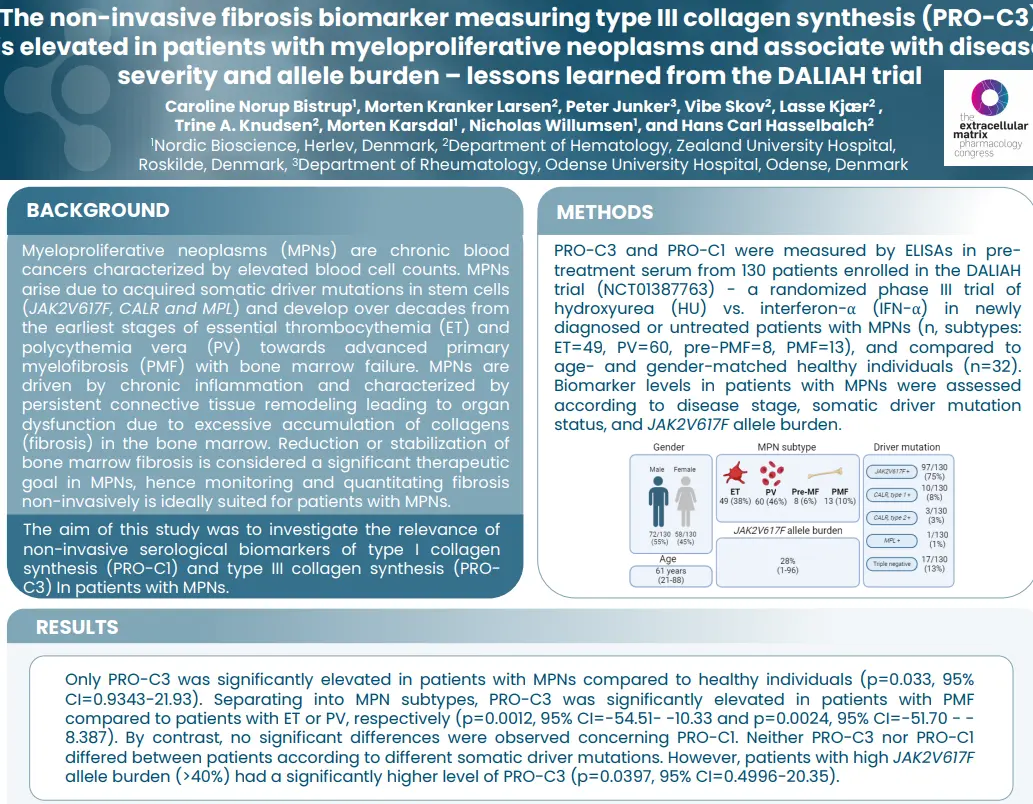
Immune checkpoint inhibitors (ICIs) are being investigated in many different combinations (Table 1) but only a fraction of patients respond. This highlights the need for prognostic biomarkers that can help identify patients most likely to respond. Tumor fibrosis and the high collagen/ECM turnover in the tumor microenvironment – processes are closely related to response to ICIs and survival outcomes.
Across a diverse cohort of patients with metastatic cancer treated with different checkpoint inhibition regimens, non-invasive biomarkers associated with tumor fibrosis and collagen/ECM turnover (nordicPRO-C3™, PRO-C19, PRO-C20, TGF-β, reC1M and C4M) could identify cancer patients with poor prognosis.
Get in touch
Are you interested in exploring collaboration possibilities? Enter your information in the form and a representative will contact you shortly.
Unraveling collagen signatures in cancer-associated fibroblasts: A biomarker-driven approach
Introduction
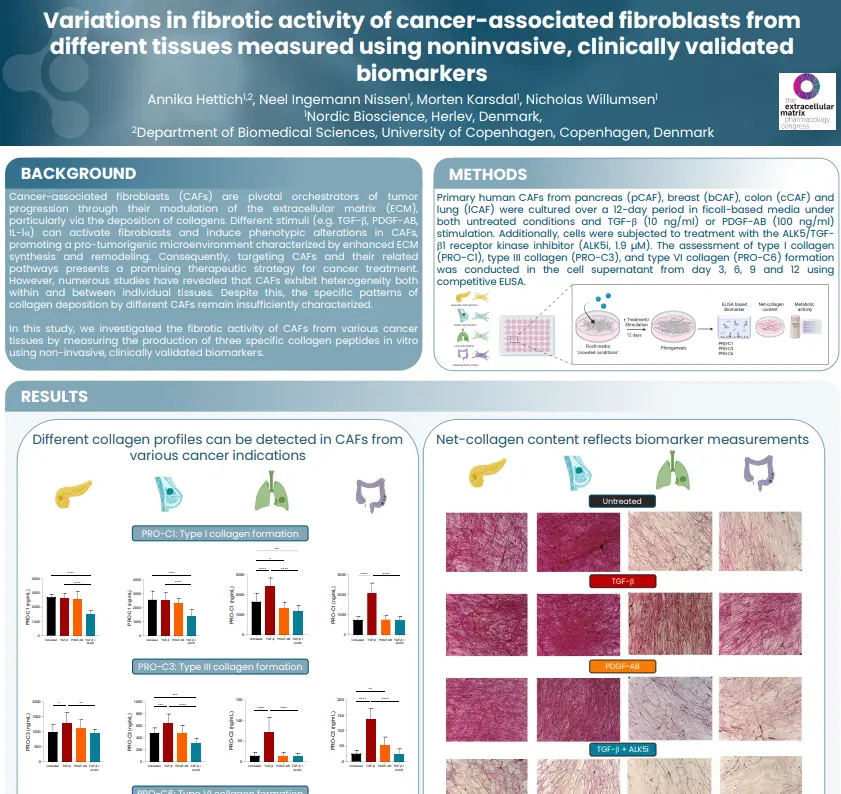
The tumor microenvironment (TME) plays a crucial role in driving tumor development. Among the constituents of the tumor stroma, cancer-associated fibroblasts (CAFs) are a pivotal component. CAFs are actively involved in tumor progression by modulating the architecture of the TME through increased deposition of various collagens resulting in tumor fibrosis. Several studies have shown that CAFs have heterogeneity within, and between, individual tissues. TGF-β is thought to be the main driver of tumor fibrosis, however, the field lacks a characterization of the specific collagen deposition of CAFs from different tissues.
In this study, we investigated the fibrotic activity of CAFs from various tissues by measuring the production of three specific collagen peptides in vitro by use of non-invasive clinically validated biomarkers.
These findings underscore the heterogeneity in collagen production among CAFs from different indications, providing valuable insights into the ECM dynamics within distinct TMEs. Collagen-based non-invasive biomarkers further demonstrate the capability to differentiate between the fibrotic activity of CAFs isolated from different tissues. These insights support the utility of this model as a useful tool for anti-fibrotic drug screening.
Get in touch
Are you interested in exploring collaboration possibilities? Enter your information in the form and a representative will contact you shortly.