PRO-C6 Findings In NEJM Evidence to Help Patient Segregation in HFpEF
A persistent problem remains a challenge in HFpEF – patient heterogeneity.
We need the right patients for the right treatment, but how do we get it to them? We believe that one approach to solving this problem is to improve patient segregation and endotyping.
In collaboration with Bristol Myers Squibb and University of Pennsylvania, we recently identified a subset of patients at a very high risk of adverse outcomes, all characterized by increased fibroblast activity. Using our PRO-C6 biomarker assay we can accurately quantify this risk profile and differentiate patients based on how likely they are to be re-hospitalized or have all-cause mortality due to heart failure.
These findings were recently published in NEJM Evidence.
So how do we deal with patient heterogeneity?
We believe it is time to give physicians and clinicians a better tool than what is available now.
This is endotrophin endotyping, heart failure risk stratification redefined.
Get in touch
Are you interested in exploring collaboration possibilities? Enter your information in the form and a representative will contact you shortly.
We need to talk about the good and the bad fibroblasts – the dangerous fibroblasts that overgrow organs and destroy organ function, but also the necessary specialized fibroblasts in bone, the osteoblasts.
Fibroblasts are an important type of cell in the human body that play a crucial role in tissue repair and maintenance. However, not all fibroblasts are created equal – there are both good and bad fibroblasts that have vastly different effects on the body.
The dangerous fibroblasts, known as myofibroblasts, are responsible for pathological tissue remodeling in various diseases, such as fibrosis. These fibroblasts overgrow organs and destroy organ function. While myofibroblasts play a role in wound healing, their persistence and unchecked growth can lead to excessive scarring and tissue damage.
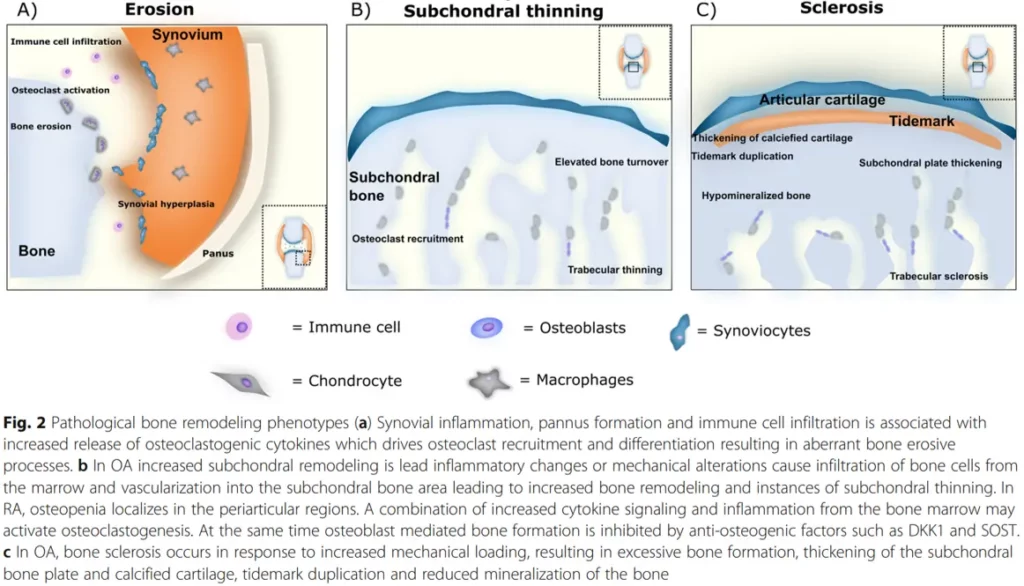
Pathological bone remodeling phenotypes
On the other hand, there are specialized fibroblasts, such as osteoblasts, that are necessary for maintaining bone health. Osteoblasts are responsible for producing the extracellular matrix that makes up bone tissue, and are crucial in the process of bone formation.
Unfortunately, the success in biomedical sciences such as genomics and proteomics is not paralleled in the medical product development methods, resulting in a lack of translation into improved drug safety and efficacy. This can lead to some antifibrotic treatments having deleterious effects on bone fibroblasts, such as osteoblasts, and may cause unwanted side effects.
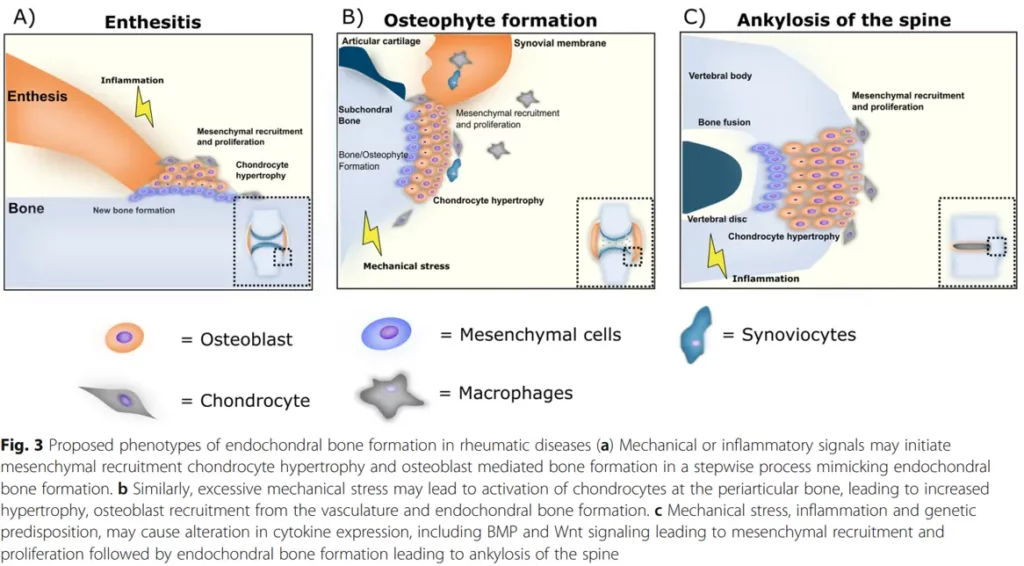
Proposed phenotypes of endochondral bone formation in rheumatic diseases
In rheumatic diseases, bone inflammation and remodeling phenotypes are proposed to be a result of endochondral bone formation. Studies have identified bone as a possible endocrine organ, and the availability of valid biochemical bone markers suggests that assessing bone turnover should also play an important role in general safety pharmacology.
To address this issue, there is a need for improved methods to assess the effects of treatments on different types of fibroblasts. This is where bone inflammation panels come in – these panels can be used to assess whether a treatment is having a deleterious effect on bone fibroblasts, such as osteoblasts.
In conclusion, while fibroblasts play a crucial role in tissue repair and maintenance, it is important to distinguish between the good and bad fibroblasts. Unchecked growth of myofibroblasts can lead to tissue damage and organ dysfunction, while osteoblasts are necessary for maintaining bone health. Improved methods of assessing the effects of treatments on different types of fibroblasts, such as bone inflammation panels, can help ensure that treatments are safe and effective.
With our bone inflammation panel, you can assess whether your treatment is having a deleterious effect.
The affect on the collagen microenvironment in breast cancer patients
In a recently published study based on a collaboration between Nordic Bioscience, Memorial Sloan Kettering Cancer Center, Weill Cornell Medicine, and Nancy E. and Peter C. Meinig School of Biomedical Engineering, we have examined the effect of copper depletion therapy on the collagen microenvironment in breast cancer patients with a high risk of relapse.
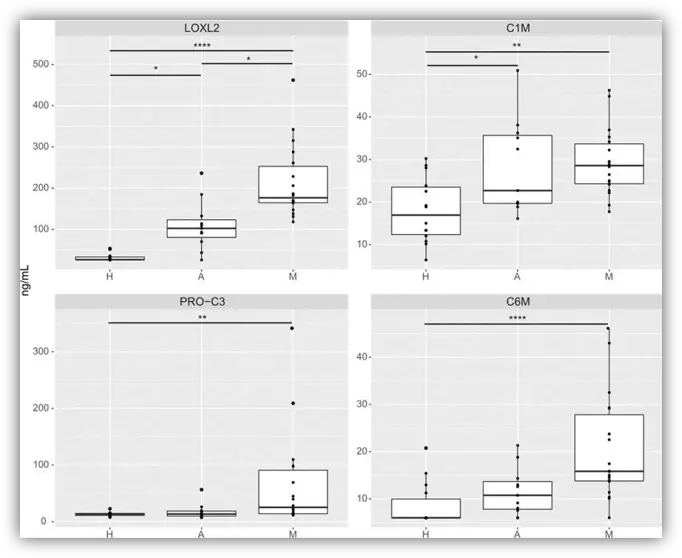
Tetrathiomolybdate (TM) is a novel, copper-depleting compound associated with promising survival in a phase II study of patients with high-risk and triple-negative breast cancer. In the study, levels of all collagen biomarkers were higher in those with the disease, metastatic and adjuvant, as compared with healthy controls.
Baseline biomarkers of collagen crosslinking (LOXL2), collagen formation (PRO-C3), and collagen degradation (C1M and C6M) in the exploratory cohort
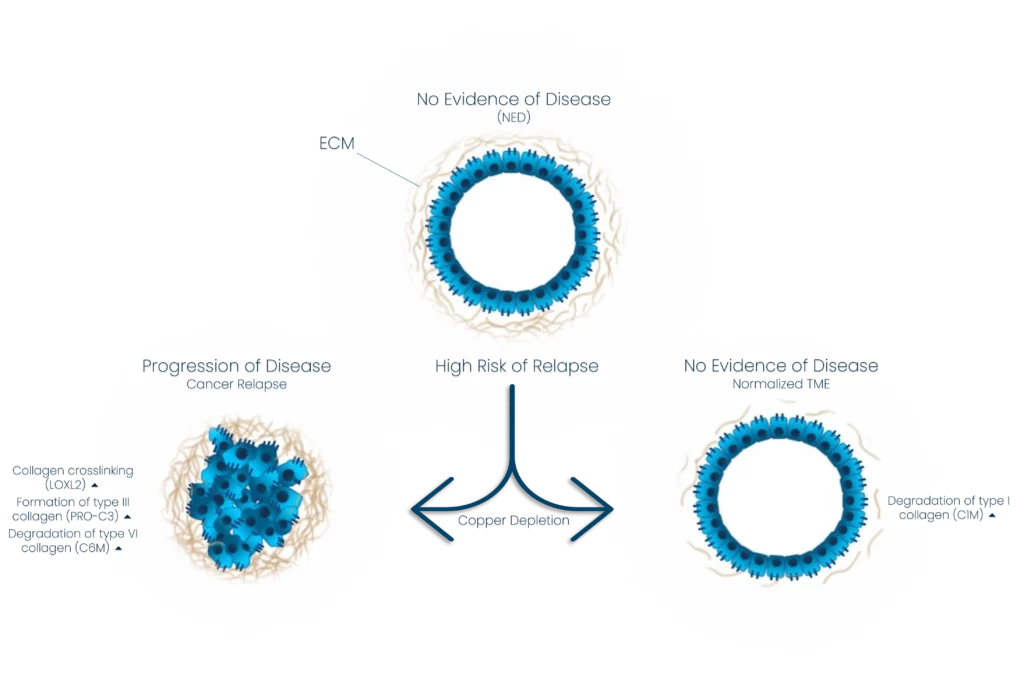
We propose a novel mechanism for preventing metastases through altered collagen processing in the tumor microenvironment. We hypothesize that decreased collagen cross-linking and increased degradation caused by the treatment may alter the immune response in the pre-metastatic sites and thereby decrease the metastatic potential.
The effect of copper depletion therapy on collagen turnover in breast cancer patients
Preclinical studies revealed decreased collagen deposition, lower levels of myeloid-derived suppressor cells, and higher CD4+ T-cell infiltration in TM-treated mice compared with controls.
In conclusion, the study showed novel mechanisms of TM targeting the TME and immune response with potential applications across cancer types.
Autosomal dominant polycystic kidney disease (ADPKD) is a hereditary condition that causes the development of cysts in the kidneys. This condition affects millions of people worldwide and can lead to kidney failure if left untreated. One of the biggest challenges in treating ADPKD is identifying biomarkers that can predict disease progression and response to treatment.
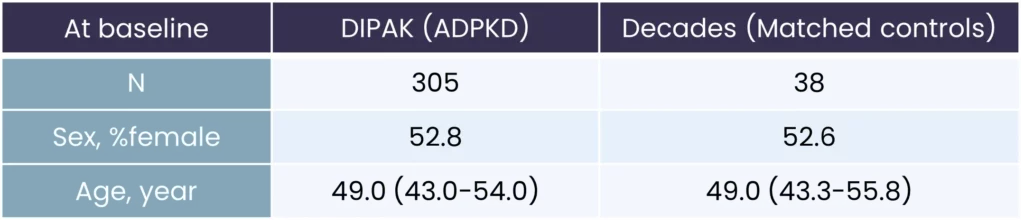
Our Renal and Cardiovascular Research team showed that biomarkers of collagen remodeling measured in urine and circulation at baseline are associated with the rate of decline in kidney function in patients with ADPKD. In the study (DIPAK-1), we measured the effect of lanreotide on patients with stage 3 chronic kidney disease. The following demographics were involved:
DIPAK-1 demographics
To assess the effect of lanreotide, the team selected a number of biomarkers that were best suited to assess the effect of the drug on interstitial matrix turnover and basement membrane turnover. We have selected a number of biomarkers:
PRO-C3, measuring collagen type III formation in serum and urine (interstitial matrix turnover)
C3M, measuring collagen type III degradation in serum and urine (interstitial matrix turnover)
PRO-C6, measuring collagen type VI formation in serum and urine. Also measures the release of the bioactive fragment endotrophin, associated with pro-fibrotic and pro-inflammatory processes (interstitial matrix turnover)
LG1M, measuring Laminin gamma 1 degradation in serum and urine (basement membrane turnover)
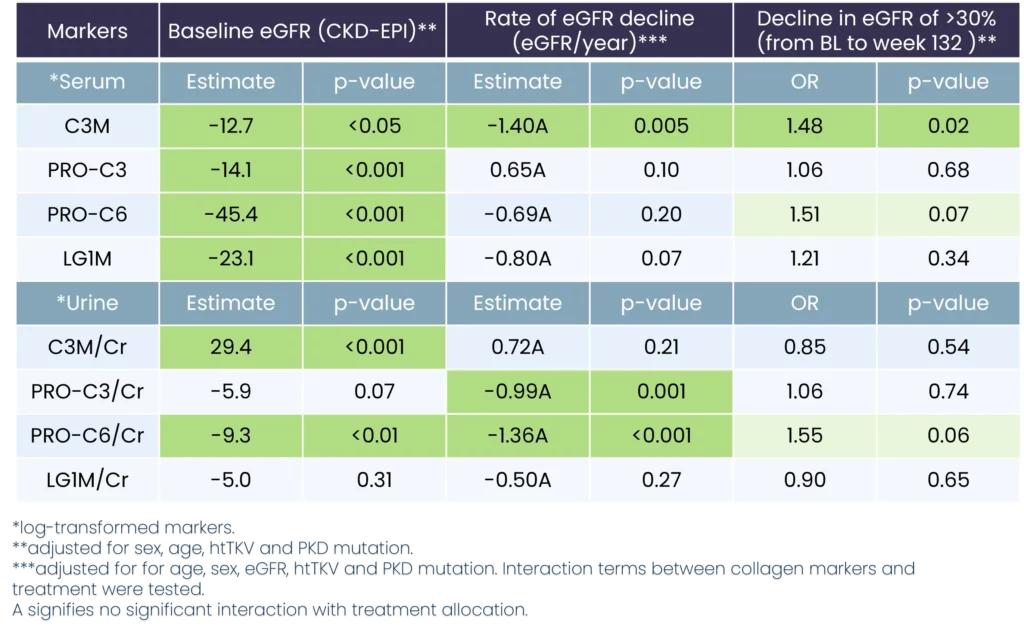
Kidney biomarker data compared to baseline values
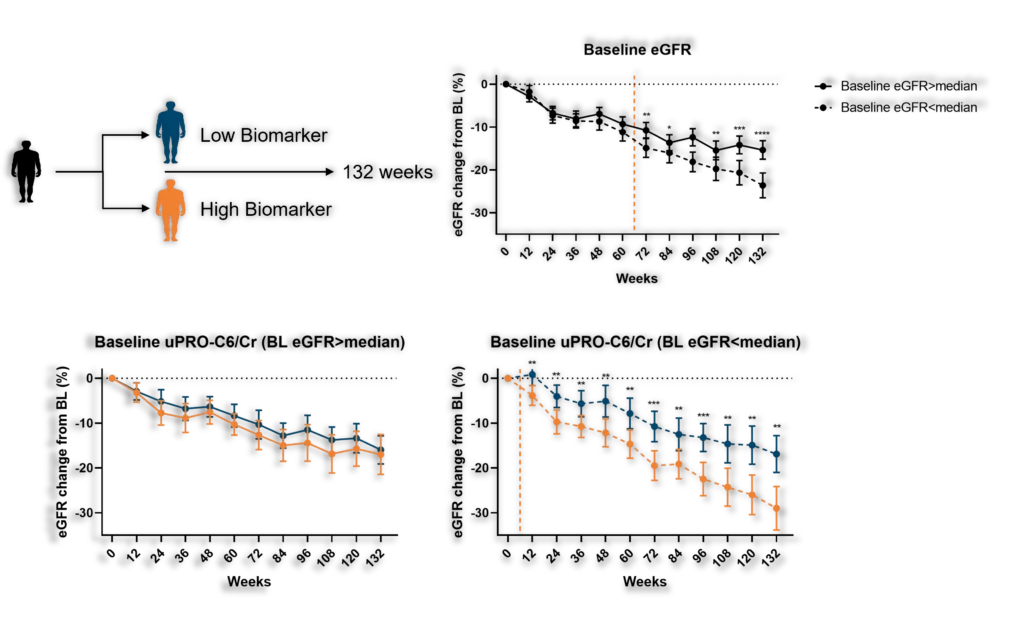
Predicting decline in kidney function with prognostic biomarkers
The data we found implies that fibrogenesis may be an important pathophysiological process driving ADPKD disease progression. In addition, the use and development of drugs that interfere with fibrogenesis may be promising to halt disease progression in ADPKD. However, we still need to validate in an independent cohort, preferably in early-stage disease.
The findings of the study are significant because they offer new insights into the potential for biomarkers to predict disease progression in ADPKD. This information may help clinicians to identify patients who are at risk of developing kidney failure and to develop more effective treatments to slow or halt disease progression.
We have shown that biomarkers of collagen remodeling are associated with the rate of decline in kidney function in patients with ADPKD. These findings suggest that fibrogenesis may be an important pathophysiological process driving ADPKD disease progression and that the use of drugs that interfere with fibrogenesis may be promising to halt disease progression. Further research is needed to validate these findings in an independent cohort, but the results of this study offer new hope for patients with ADPKD.
We believe it is time to put kidney fibrosis more in the center – even in diseases where other aspects (such as kidney volume) are the focus of attention. At Nordic Bioscience, we have the tools to do so.
How much load can the cartilage in the joints absorb?
Mechanical loading is an essential part of the function and maintenance of the joint. Despite the importance of intermittent mechanical loading, this factor is rarely considered in preclinical models of cartilage, limiting their translatability.
The cartilage of the joints of patients with osteoarthritis is negatively affected in their capacity to absorb the load. Despite this pivotal role, mechanical load is rarely a component of translational drug screening assays when testing novel OA treatments.
We showcased our novel translational cartilage loading model in a publication in Applied Sciences.
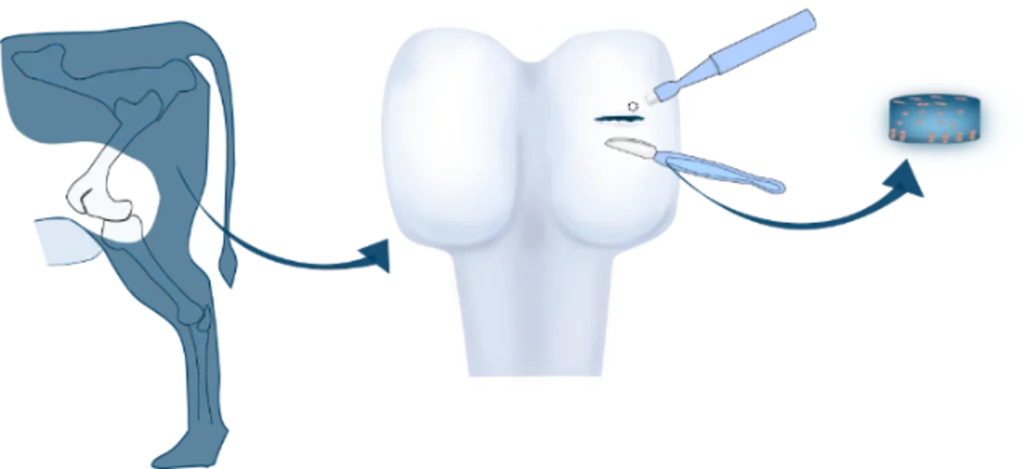
Cartilage explant isolation
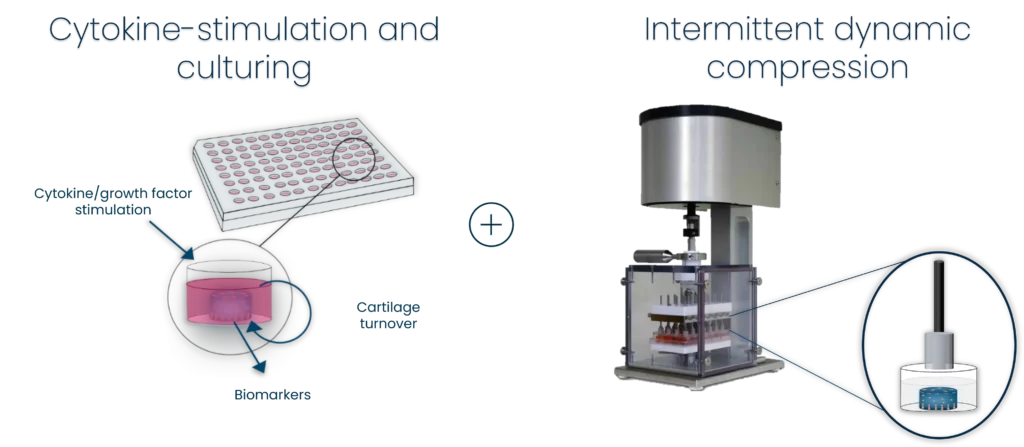
In a culture plate format well suited for lead candidate screening we investigated the effect of growth factors on ex-vivo cartilage remodeling and the interaction with dynamic intermittent loading. Cartilage remodeling was investigated in the presence of IGF-1 or TGF-β1, as well as a TGF-β receptor 1 (ALK5) kinase inhibitor and assessed with biomarkers for type II collagen formation and fibronectin degradation (FBN-C).
Dynamic compression and cartilage remodeling in Bovine Cartilage Explants
Amongst others, PRO-C2 has shown that not only does mechanical loading preserve cartilage, but it also positively modulates the effect of known growth factors, such as IGF-1.
Screening potential drug candidates in physiological loading conditions could provide a more accurate translation to push forward the urgent medical need for better treatments of osteoarthritis.
Get in touch
Are you interested in exploring collaboration possibilities? Enter your information in the form and a representative will contact you shortly.
The race to organ death is not a show you want to be a part of. The main cause of death in patients with metabolic dysfunction-associated steatotic liver disease (MASLD, formerly NAFLD) is liver and cardiovascular complications, while disease activity remains a major feature of liver fibrosis progression.
Metabolic associated steatohepatitis (MASH, formerly NASH) is a consequence of metabolic problems including obesity and is often characterized by multiple organ failure, with hepatic cirrhosis driving organ decompensation. But what is the true event and death rate of MASH patients? What do they suffer from and why do they die? And how do we know which organ decompensates first?
The answer is simple.
It is essential to measure the functions of different organs and their activity/progression rates, including the liver, heart, and kidney.
The organ death race can be traced back to liver diseases, but it’s important not to forget about the big picture.
Can we thus assume that for MASH patients, the smallest problem is the liver-related event? Yes and no. The liver is important, but we need to consider the patient as a normal human – with not just a liver, but a heart, kidney, and other organs. These patients are also in the highest risk group for osteoarthritis (OA) and inflammatory bowel diseases (IBD), albeit that is not the focus of this blog article.
We can conclude that it is central to measure several organ functions and their activity/progression rates – which has been the exact focus for Nordic in the recent period. Our technologies, biomarkers, and drug development projects are perfectly aligned for this.
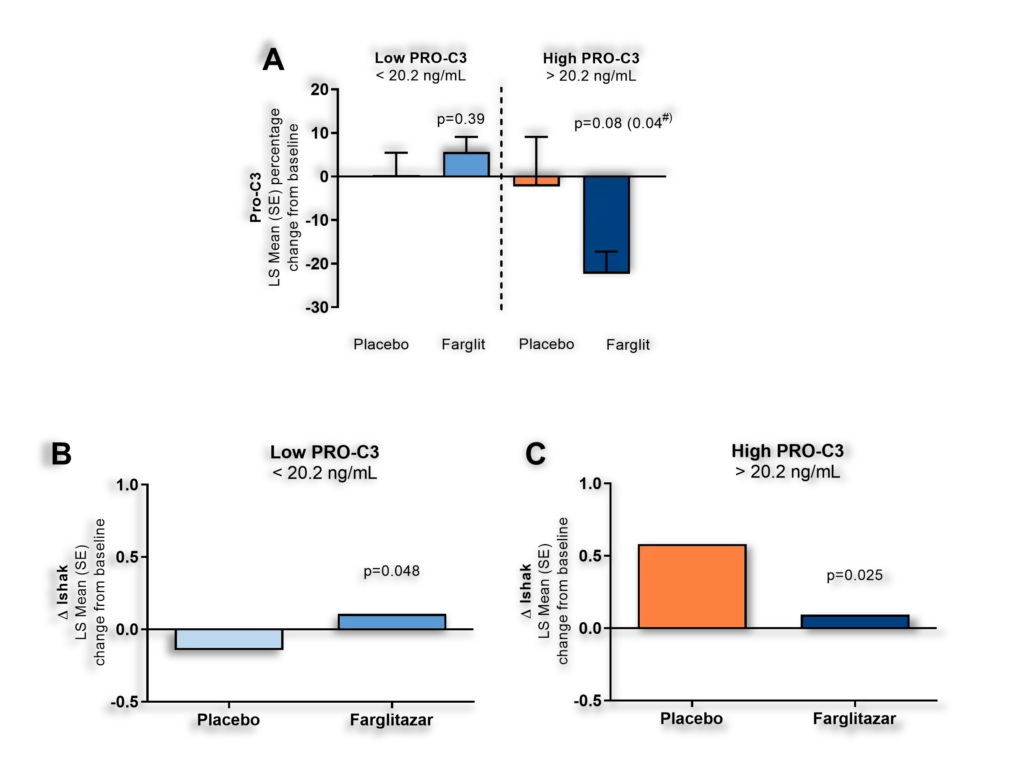
For example, PRO-C3 (also available on the high-precision Roche Cobas platform), a biomarker of type III collagen formation, is an excellent marker of MASH progression of fibrogenic activity in the liver. PRO-C3 is FDA approved and utilizes Nordic Bioscience’s protein fingerprint technology.
High levels of PRO-C3 identify responders to the anti-fibrotic activity of farglitazar (Karsdal MA et al. Am J Physiol Gastrointest Liver Physiol, 2016)
In relation to the organ death race, Nordic Bioscience received a Letter of Support (LoS) from the FDA for the first serological biomarker for enrichment in clinical studies and trials in heart failure (HFpEF).
Our protein fingerprint biomarkers can be measured in serum and they specifically target the neo-epitopes that are released during protein formation of degradation and signaling the extent of fibrogenesis or fibrolysis.
Get in touch
Are you interested in exploring collaboration possibilities? Enter your information in the form and a representative will contact you shortly.
If we are to develop precision medicine, we need to identify the right patients. Using Big Data is critical in clinical research, but there is a catch.
Fascination with numbers
The unspoken premise of an optimal approach to patient identification requires measuring proteins so that drug developers can target the right patient with the right treatment. Unfortunately, the case is more complicated than it first appears.
Many biotechnology companies offer protein array services and provide measurement of thousands of proteins. And it is precisely this fascination with numbers that limits the attention to and understanding of the single. Measuring a broad spectrum of proteins is an immature concept at best, and an inadequate one at worst. Hoping to hit the bull’s eye by chance will not benefit the future of patient care.
The right epitope of the right protein
We need insights into pharmacodynamics and response to treatment, and we need to understand disease progression rather than just looking at current status.
To treat the misconception that measuring total proteins is more valuable than measuring a few select biomarkers, we need to refine our approach. Precision medicine needs to know whether the protein or an epitope of the protein, is associated with tissue formation or tissue degradation, protein binding, or signaling.
During tissue remodeling, which is an essential part of life, old or damaged proteins are broken down and replaced with new ones. In this process, specific protein fragments are released into the bloodstream that reflects specific pathobiological and biological processes required for repair and healing, as well as tissue loss and fibrosis. These unique epitopes of extracellular matrix remodeling may provide information about the ongoing pathological processes of damage and repair, thus providing a better opportunity for the development of precision medicine.
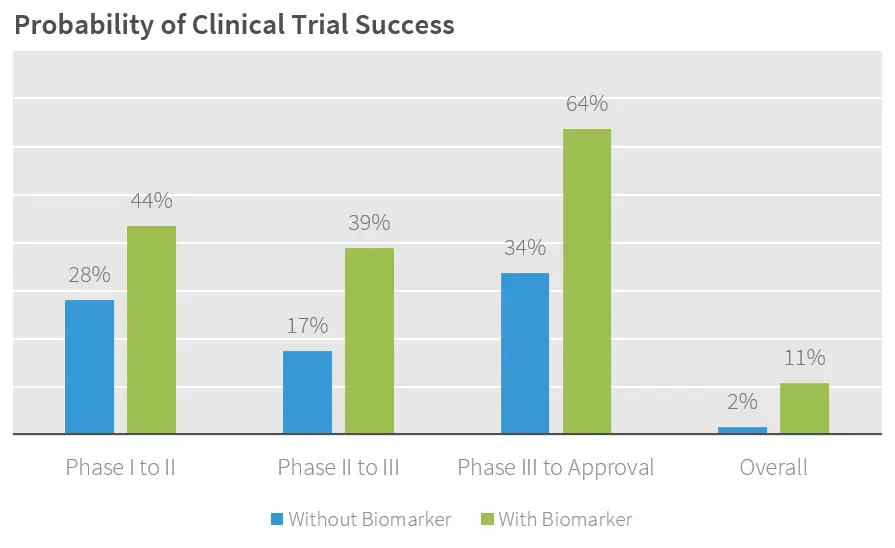
Source: Wong et al (2019), Biostatistics
It is a fact that incorporating biomarkers into clinical research increases your chances of success. But that alone is not enough.
Conclusion
The next time you select a panel for your study, consider what you are actually measuring – formation or degradation – and what the biological story of the epitope is. Lastly, if necessary, is the epitope IVD-enabled? This can be done by quantifying the epitope with a technology that is robust, meets CLSI validation guidelines and can be easily made available worldwide.
We have a range of business and laboratory services, and mode-of-action biomarkers that can help you in your drug discovery or research project.
Get in touch
Are you interested in exploring collaboration possibilities? Enter your information in the form and a representative will contact you shortly.