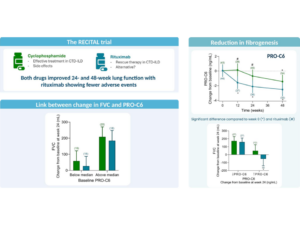
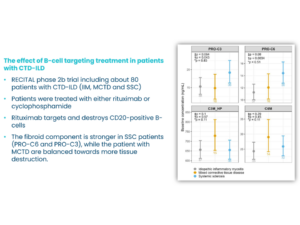
Fibroblast activity predicts response to B-cell depletion. Nordic fibrogenesis markers capture it from a blood draw.

In the RECITAL trial, patients with the largest on-treatment reductions in PRO-C6 showed the greatest FVC improvement after rituximab. Patients with high PRO-C3 were 2.5x less likely to respond to tocilizumab. ECM biomarkers add a tissue-level readout to your B-cell program that immunophenotyping cannot provide.
Why fibroblast activity matters in Autoimmune Disease

30%

Reduction in PRO-C6 in RECITAL responders

2.5x

Less likely to respond to anti-IL6 with high PRO-C3

116+

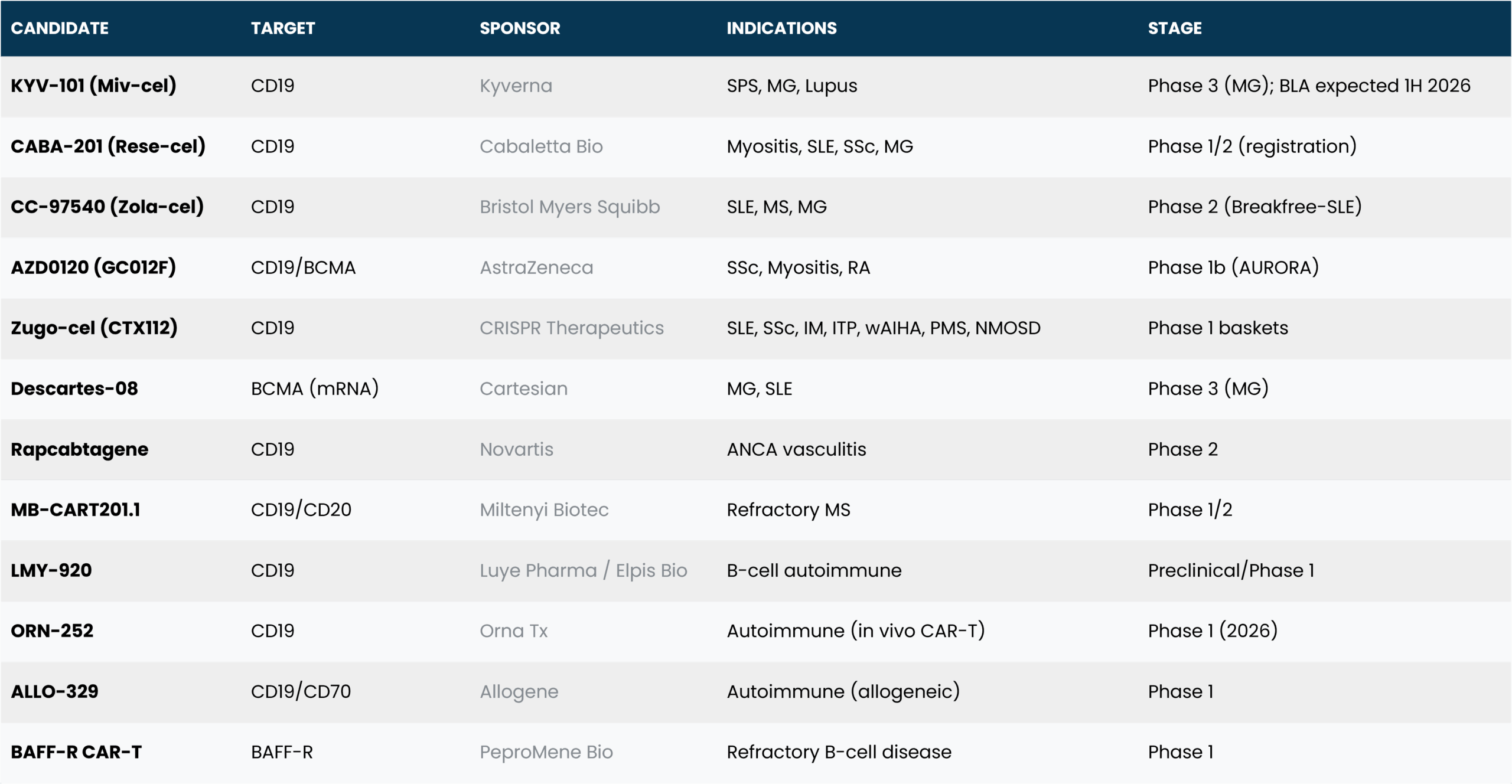
CAR-T trials in autoimmune disease (Dec 2024)

40+

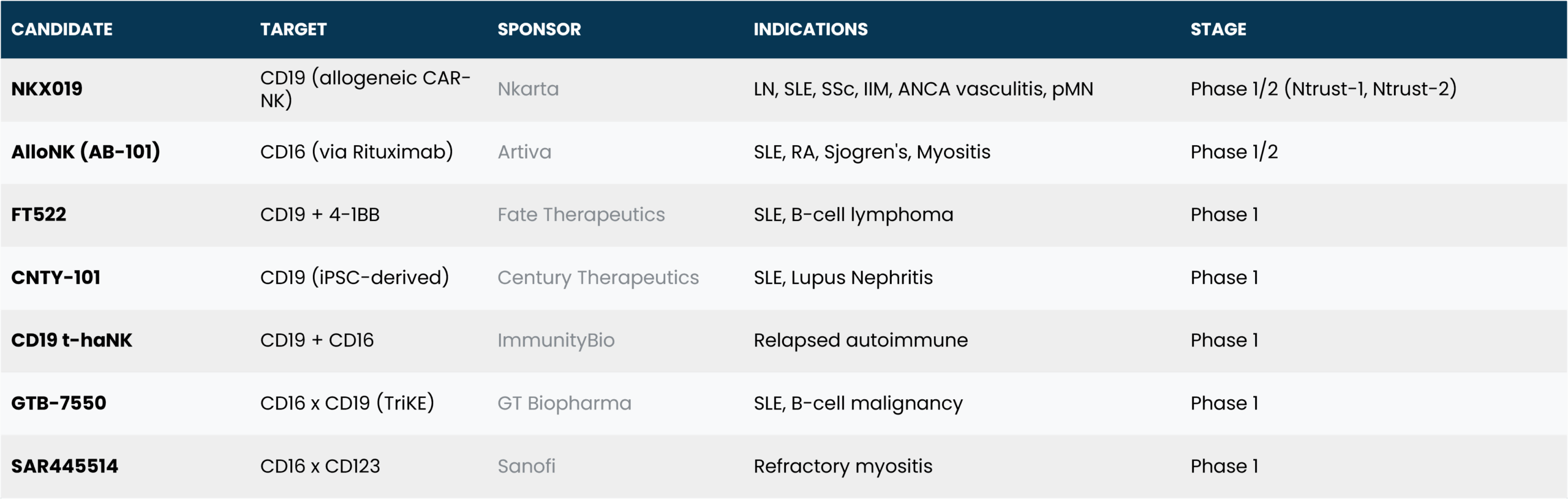
B-cell modulating candidates in clinical development

Measure anti-fibrotic effect and identify the fibroid endotype

  • Does your compound have an anti-fibrotic effect? Anti-inflammatory drugs reduce tissue destruction. Few address fibroblast-driven collagen formation. PRO-C3 and PRO-C6 will reveal whether your compound does both.
  • Our fibrogenesis biomarkers identify patients with high fibroblast activity. Patients with elevated PRO-C3 or PRO-C6 at baseline are the fibroid endotype. They respond differently to standard immunosuppression and may need anti-fibrotic combination therapy.
  • Across multiple trials and disease areas, a consistent pattern emerges: anti-inflammatory therapies reduce tissue destruction, but leave fibrogenesis biomarkers unchanged, pointing to a subgroup that may require a different type of treatment.

B-cell targeted therapies can ameliorate autoimmunity

B-cell modulating therapies (anti-CD20, anti-CD19 CAR-T, T-cell engagers, BAFF/APRIL inhibitors, BTK inhibitors) deplete or suppress autoreactive B cells. Clinical endpoints such as SLEDAI, mRSS, and FVC capture downstream clinical improvement, but they cannot tell you whether fibrotic or inflammatory tissue remodeling is actually reversing.

Nordic Bioscience ECM biomarkers measure tissue formation and degradation directly from a blood draw across the autoimmune indications below.

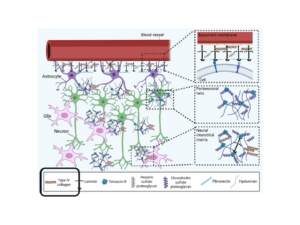
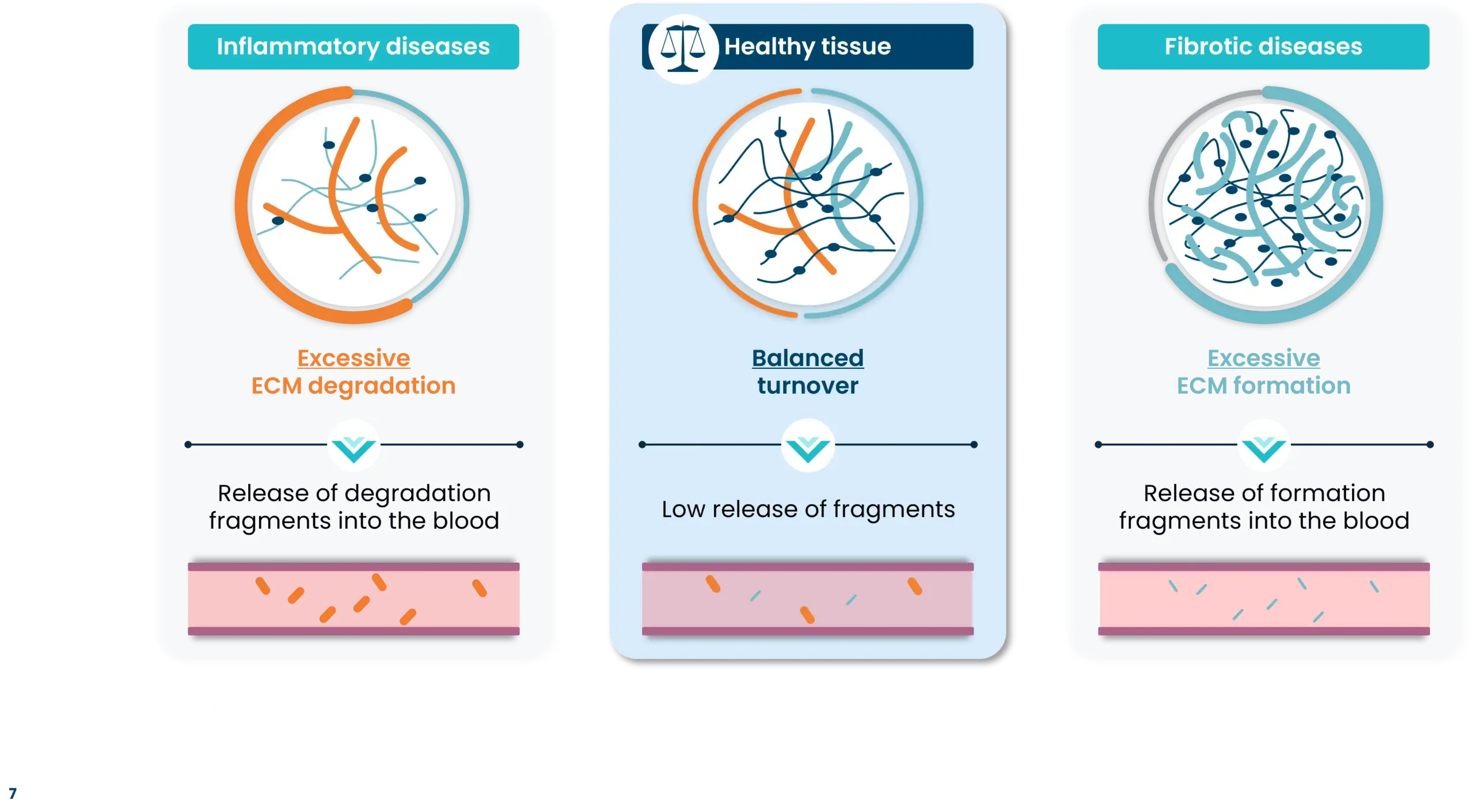
Introduction to the ECM – What is tissue balance?

ECM alterations during disease progression

PRO-C6/Endotrophin and PRO-C3 have received Letters of Support from the FDA.

Measure the tissue response to B-cell modulation

Fibroblast Activity (PRO-C6 / Endotrophin)

PRO-C6 quantifies Endotrophin, a COL6A3-derived signaling molecule from fibroblasts. It drives inflammation, fibrosis, steatosis, and metabolic dysfunction across skin, lung, and kidney.8

Active Fibrogenesis (PRO-C3)

PRO-C3 measures type III collagen formation from active fibroblasts. FDA supports its use for clinical trial enrichment and stratification in fibrosis.


Endothelial Disruption (C4M, PRO-C4, C4G, TUM)

C4M and PRO-C4 capture degradation and formation of type IV collagen, the major structural protein of basement membranes. C4G measures T-cell activity.


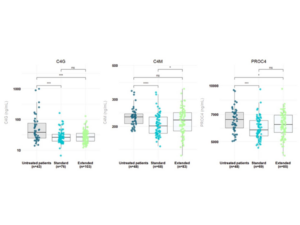
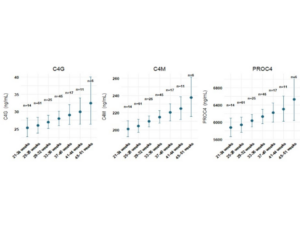
In MS, PRO-C4, C4M and C4G are elevated and pharmacodynamically modulated by B-cell suppressing treatments.7

Connective Tissue Destruction (C3M, C6M)

C3M and C6M capture MMP-mediated degradation of type III and VI collagen, measuring active tissue destruction.

If your B-cell modulating compound affects fibroblast activity, this is a significant differentiator in a crowded landscape of 40+ candidates.

Fibroblast activity differentiates treatment response

2.5x Less likely to respond

RA patients with elevated PRO-C3 levels were 2.5x less likely to achieve DAS28 remission on tocilizumab in both AMBITION (biologic-naive) and RADIATE (TNF-IR).

Madsen SF, Sci Rep. 20244

0% Fibrosis reduction with anti-IL6
In FocuSSed (SSc, n=210), tocilizumab reduced degradation biomarkers C3M and C4M but had no effect on PRO-C3. Anti-inflammatory efficacy did not translate to anti-fibrotic efficacy.
Sheng et al., Clin Immunol. 20235

Only JAK Reduced PRO-C3 in RA
Of four drug classes (MTX, anti-TNF, anti-IL6, JAK), only tofacitinib (JAK) significantly reduced PRO-C3 (p=0.017). All four reduced C3M.
Gudmann NS, Clin Exp Rheumatol. 20186

Running a B-cell modulating program in autoimmune disease?

We will walk you through assay performance, published comparator data across drug classes, and how to build an ECM biomarker panel that captures tissue-level pharmacodynamics, identifies the fibroid endotype, and differentiates your compound in a crowded landscape.

References cited on this page

Key Publications

  • Simoes et al., ATS 2025. RECITAL Phase 2b, n=90. PRO-C6 pharmacodynamically reduced by rituximab, predictive of FVC response.
  • Muller F et al., N Engl J Med. 2024;390(8):687-700. n=15 (SLE, IIM, SSc). Drug-free remission >2 years.
  • Bay-Jensen AC et al., PLOS ONE. 2018;13(12):e0207324. n=40. PRO-C6 AUC 0.99.
  • Madsen SF et al., Sci Rep. 2024. AMBITION (n=262) and RADIATE (n=141). High PRO-C3 = 2.5x less likely to respond.
  • Sheng et al., Clin Immunol. 2023. FocuSSed Phase 3, n=210. C3M, C4M, CRPM reduced. PRO-C3 unaffected.
  • Gudmann NS et al., Clin Exp Rheumatol. 2018. n=149. Only JAK inhibitor reduced PRO-C3 (p=0.017). All four drug classes reduced C3M.
  • Nordic Bioscience, Mult Scler Relat Disord. 2025. n=34. TUM AUC 0.996. PRO-C4 elevated (p=0.007). C4G modulated by ocrelizumab.
  • Henriksen K, Endocr Rev. 2024. FDA Letter of Support. Comprehensive review across inflammation, fibrosis, CV, and metabolic disease.
  • Drug Development Tool Qualification Programs. Letters of Support are issued by the FDA to encourage further evaluation of biomarkers in drug development.