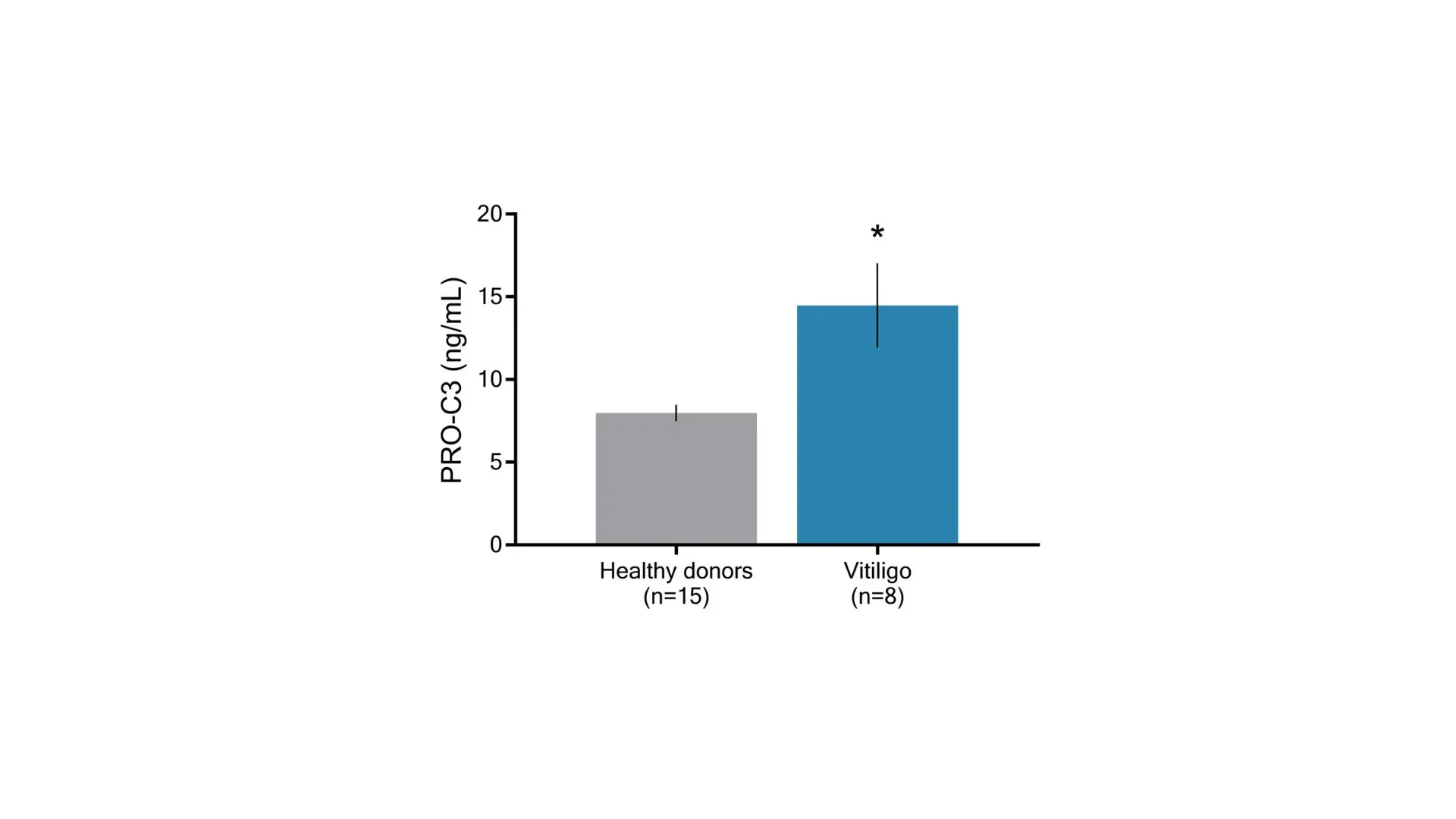
Vitiligo is a chronic depigmenting disorder characterized by the progressive loss of melanocytes from the epidermis. While autoimmune mechanisms are central to disease pathogenesis, the extracellular matrix (ECM) also contributes to melanocyte dysfunction and impaired skin homeostasis.
Despite recent advances, several unmet needs remain in vitiligo. Biomarkers may help improve assessment of disease activity and progression, identify distinct disease subtypes, and support patient stratification and treatment selection. In addition, biomarkers could facilitate the development of more targeted therapeutic approaches.
Current treatment selection in vitiligo is largely guided by clinical assessment and physician experience, as reliable predictive biomarkers for treatment response are lacking. As treatment outcomes vary substantially between patients, biomarkers may support a more personalized and targeted therapeutic approach.