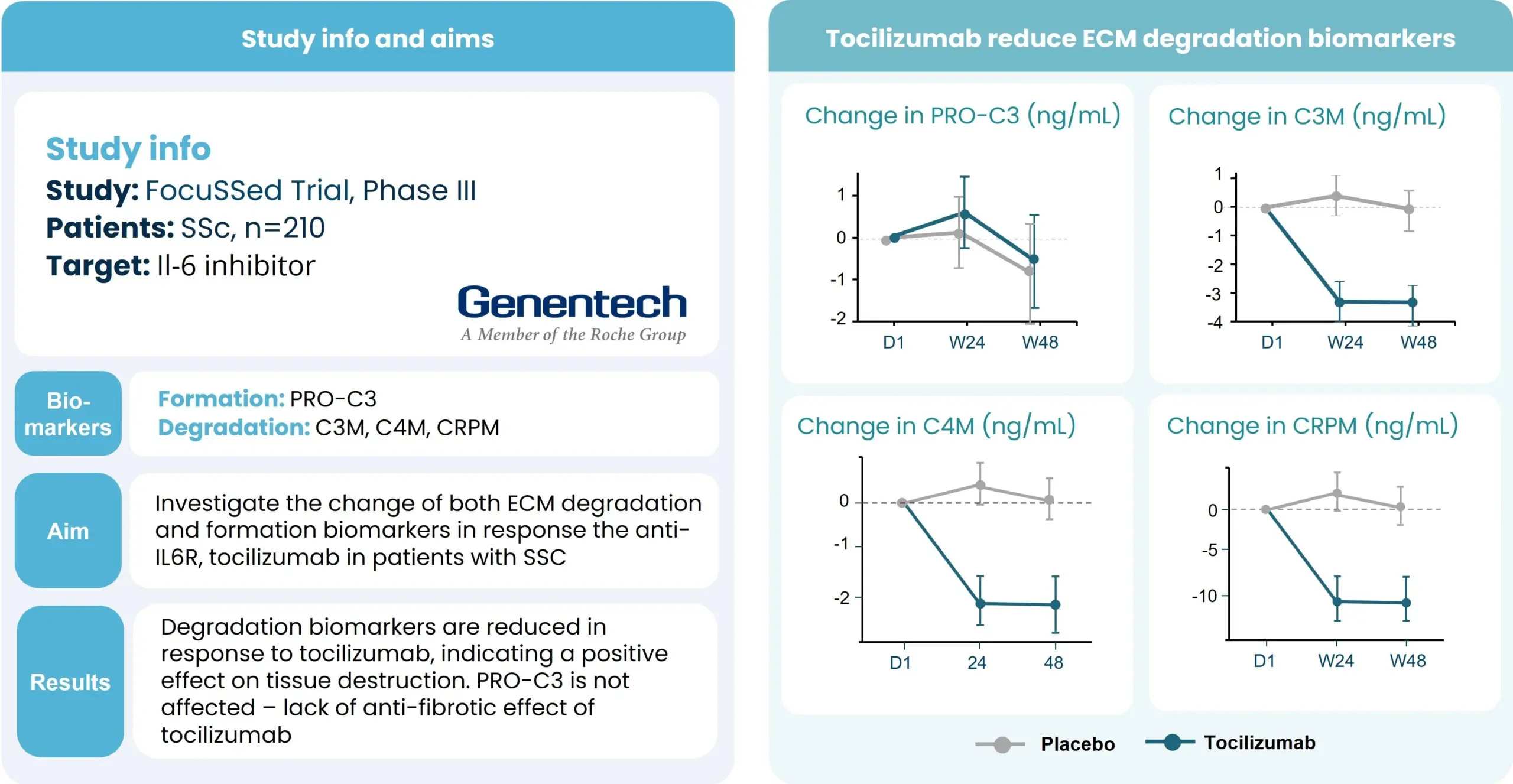
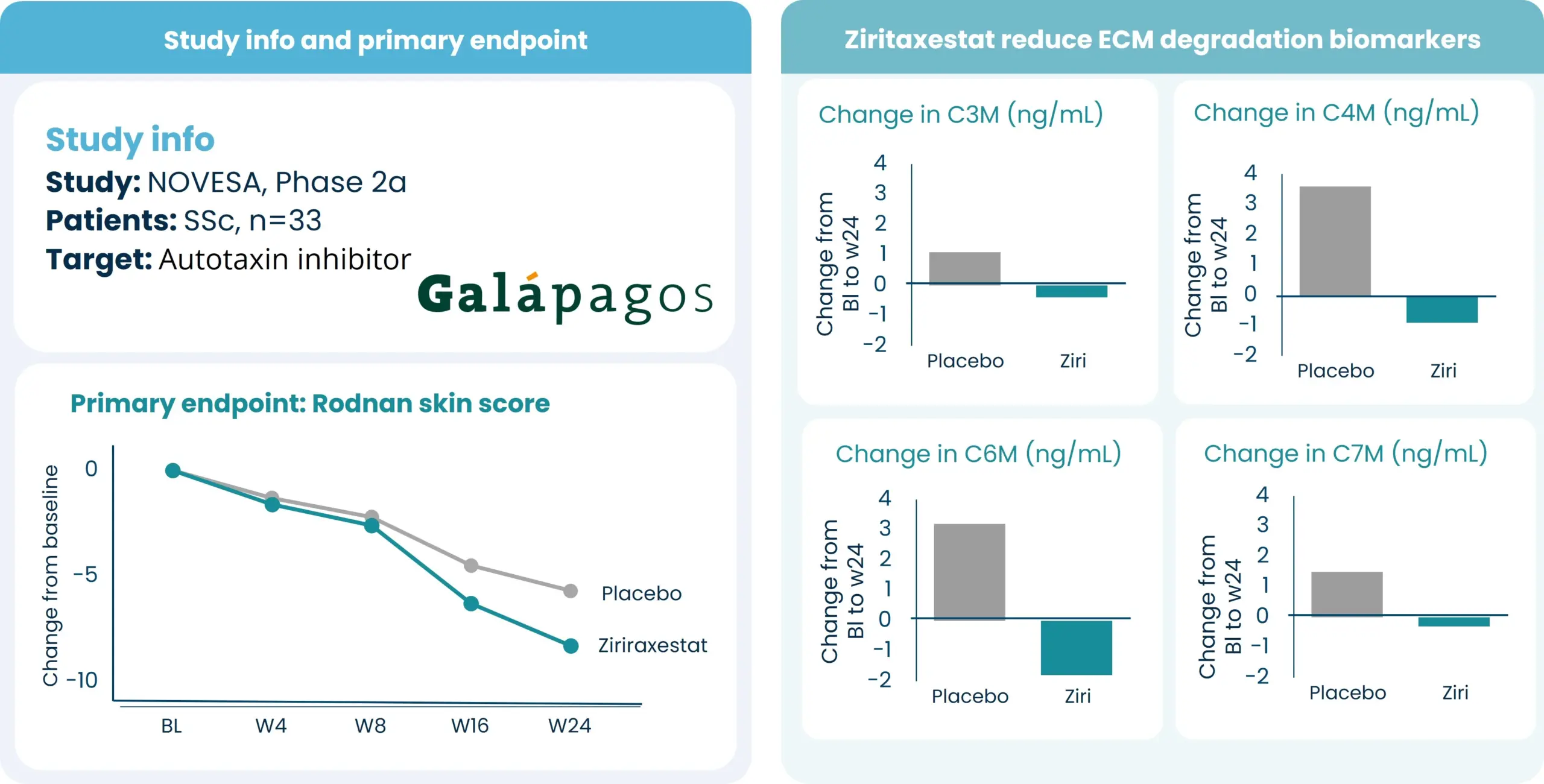
Scleroderma (Systemic Sclerosis) is a chronic autoimmune connective tissue disease characterized by immune dysregulation, vasculopathy, and progressive fibrosis of the skin and internal organs. The disease shows significant heterogeneity in clinical presentation, organ involvement, and disease progression. Biomarker-driven approaches provide insights into immune activity, fibrotic processes, and underlying disease mechanisms.
Despite recent advances, several unmet needs remain in systemic sclerosis. Biomarkers may help improve assessment of disease activity and progression, identify patients at risk of organ involvement, and support patient stratification and treatment selection. In addition, biomarkers could facilitate the development of more targeted therapeutic approaches.

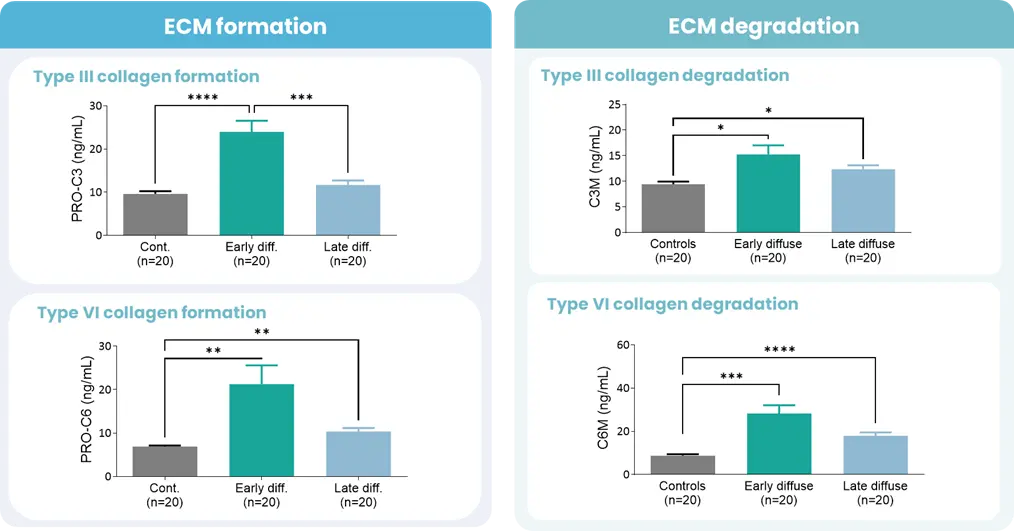 Figure 1. Type III and VI collagen biomarker levels of fibrosis and fibrolysis are higher in early diffuse patients compared to asymptomatic controls.